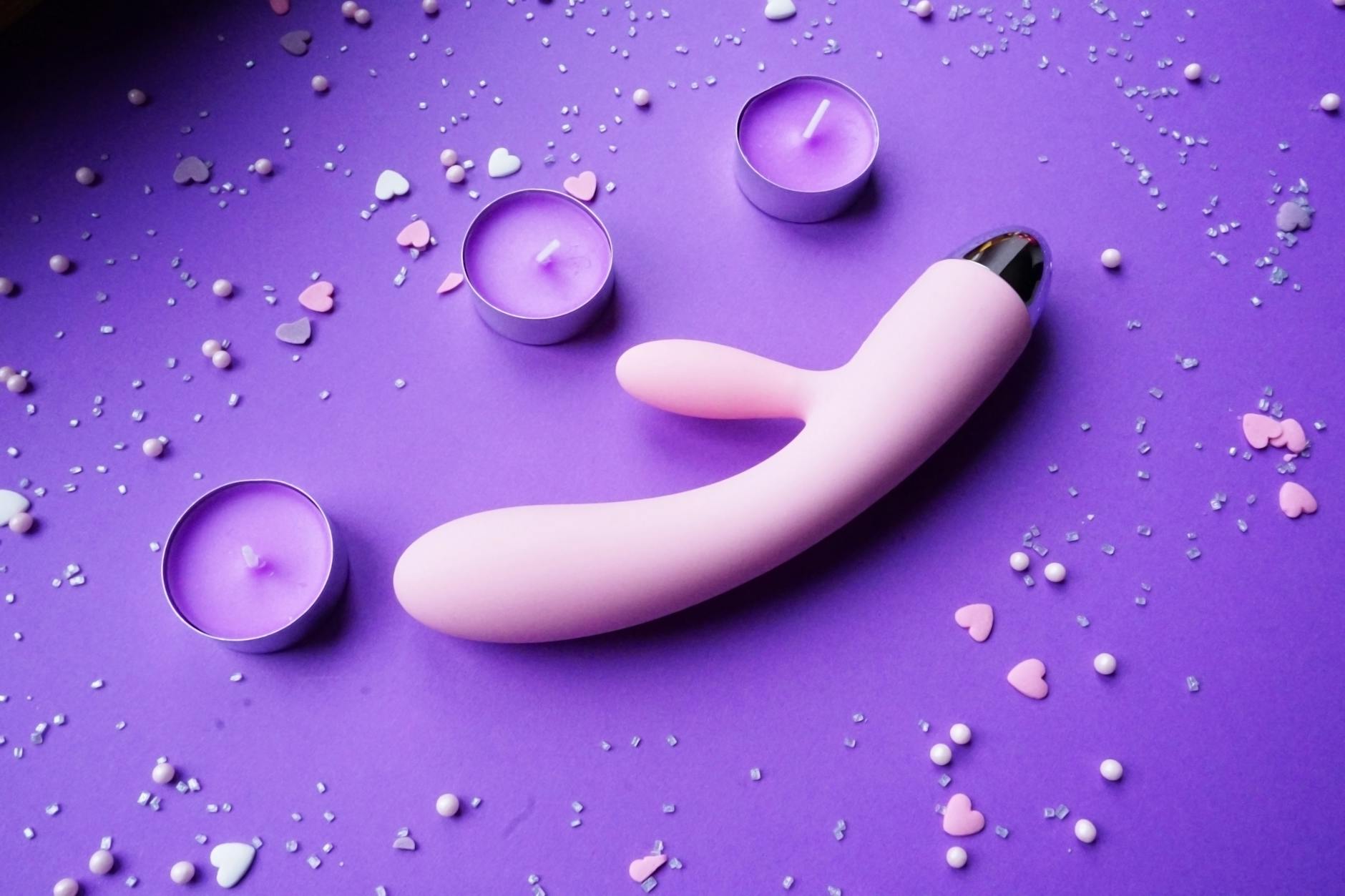
Let's talk about what nobody warns you about
You've been using your lemon vibrator for months. It's been reliable, consistent, genuinely good. Then one day you pick it up and it feels like... almost nothing. Same device. Same vibration pattern. But your body isn't responding the way it used to.
You start wondering: Is my toy broken? Is there something wrong with me? Do I need to upgrade?
Honestly? The answer is almost never that simple. What you're experiencing is neuroadaptation, and it's completely normal.
The science of why sensation fades
Your nervous system is phenomenal at adaptation. It's designed to. When you experience the same stimulus repeatedly, your neural receptors gradually become less responsive to it. This is called habituation, and it happens to everyone with vibrators, regardless of whether you're using a basic toy or a high-end lemon clitoral vibrator.
Here's what's actually occurring: The sensory nerves in your clitoris are firing signals to your brain every time the vibration hits. At first, because it's novel, those signals are loud and clear. Your brain goes "whoa, something interesting is happening." But after repeated exposure, your sensory neurons downregulate. They produce fewer neurotransmitters. The same vibration sends the same physical signal, but your nervous system processes it as less intense.
This is not a sign of damage. It's not a sign that your toy is losing power (though battery degradation is real over years). It's your body doing exactly what it's supposed to do.
Three separate reasons the sensation might actually change
Before we talk about fixing it, let's separate three different problems that feel identical but have different solutions.
Neuroadaptation (what we just covered). Your nervous system has learned to filter out the stimulus. The vibration hasn't changed. Your perception has.
Hormonal shifts. If you've started hormonal contraception, stopped it, entered a new phase of your cycle, or experienced other hormonal changes, your body's sensitivity to touch and vibration genuinely does shift. This isn't in your head. Estrogen and progesterone affect nerve sensitivity and tissue thickness, which changes how vibrations feel.
Psychological distance. Sometimes what feels like loss of sensation is actually loss of mental engagement. You're distracted, stressed, not fully present, or you've stopped building anticipation. The lemon vibrator isn't less powerful. Your nervous system just isn't as tuned in.
The paradox nobody talks about
Here's the weirdest part: Research on sensory adaptation shows that when you take a break from repeated stimulation, your sensitivity rebounds. But most people don't want to take a break. They want the sensation now.
This creates the purchasing cycle that sex toy companies love. You feel like your toy isn't working anymore, so you buy a new one. The new toy feels amazing (because your nervous system hasn't adapted to it yet). Three months later, same problem. You're chasing novelty instead of understanding the biology.
The good news is you don't need to keep buying new toys. You need to get strategic about how you use the ones you have.
Method one: Strategic breaks
I know this sounds counterintuitive when your pleasure matters to you. But a two-week break (or even a week) from your lemon vibrator will reset your sensory baseline. Your neural receptors will upregulate again. When you return to it, you'll feel that initial intensity come back.
This works. Not every time. But often enough that it's worth trying before you assume your toy is failing.
If a full break feels impossible, try this instead: Use your vibrator half as often for a week. Then take a five-day break. That's gentler and still resets your system.
During the break, you have other options. Your fingers. A different texture. A partner. The point is giving your nervous system a chance to recalibrate.
Method two: Pattern rotation
Most lemon sucker vibrators have multiple vibration patterns or intensity levels. If you've been using the same setting for months, your body has adapted specifically to that pattern. Your nervous system learned "oh, this is the thing that happens every time."
Switch it. If you've been using pattern three at medium intensity, try pattern one at high. Try the pulsing mode instead of the steady buzz. Try lower intensity with longer warm-up time.
You're not changing the toy. You're changing what signal your nervous system receives. That's enough to break the adaptation cycle and feel sensation more clearly again. How to Use Lemon Vibrators for Deeper Clitoral Orgasms With Less Sensitivity explores this in more detail if you want deeper techniques.
Method three: Rebuild the sensation intentionally
This one requires patience, but it works consistently. The idea is to rebuild arousal from a lower baseline so your nervous system experiences the vibration as novel again.
Start with indirect stimulation. Use your lemon clitoral vibrator on the outer labia, not directly on the clitoris. Let your body feel the general vibration without the specific, intense signal it's adapted to. Spend 5-10 minutes here.
Then move closer. Touch the side of the clitoris with the vibrator, not the head. Build anticipation. Make the nervous system work a little to find the sensation.
Only then go directly to the most sensitive spot. By that point, your nervous system is primed and ready. The vibration feels more intense because you've rebuilt the contrast. This is the same principle used when recovering pleasure after stopping vibrator use, just applied differently.
What actually matters more than the toy
I've worked with couples who assumed their lemon vibrator was broken when the real issue was that they'd stopped building anticipation together. There was no buildup. No conversation. Just a quick grab of the toy and hope it works.
Your mind is more powerful than your vibrator. If you're not mentally present, no amount of vibration intensity will feel right. So before you assume the toy has failed, check yourself. Are you actually aroused when you start? Are you giving yourself permission to enjoy it? Is there anticipation?
If the answer is no to any of those, the problem isn't your Hello Nancy device. It's the context around how you're using it.
When something is actually broken
If your lemon vibrator suddenly loses battery power, won't charge, or the vibration becomes irregular or weak in a way that coincides with physical damage, then yes, the toy might genuinely need maintenance or replacement.
But most of the time, when you think your vibrator has stopped working, it hasn't. Your body has just gotten smart about filtering out repetitive stimulation. That's not a flaw. That's your nervous system doing its job.
The permission you actually need
The real issue I see is that people feel guilty about the sensation fading, like they're supposed to stay endlessly aroused by the same stimulus forever. You're not. Your body is built to adapt. Evolution designed you that way.
Your pleasure matters. That means sometimes you need to take a break. Sometimes you need to switch things up. Sometimes you need to slow down and rebuild anticipation. None of those things are failures. They're just how bodies work.
Frequently asked questions
Why do lemon vibrators feel less intense after regular use?
Your nervous system adapts to repeated stimulation through a process called neuroadaptation. Sensory neurons become less responsive to the same vibration pattern over time. This isn't damage or device failure. It's your body's normal adaptation mechanism. Taking breaks or rotating patterns can reset this response.
Can I make my lemon clitoral vibrator feel strong again without buying a new one?
Yes. Try a two-week break from the toy, which allows your sensory receptors to upregulate. Or rotate vibration patterns and intensity levels if your toy has multiple modes. You can also rebuild sensation intentionally by starting with indirect stimulation and building up gradually. Most people regain that initial intensity without replacing the toy.
Is it normal for vibrators to lose power over time?
Battery degradation is real and happens over years of use. Rechargeable batteries gradually lose capacity. That said, perceived power loss happens much faster than actual power loss due to neuroadaptation. If you've owned your lemon vibrator for six months and it feels weaker, sensation fade is more likely than battery failure. If you've owned it for three years and it's genuinely not charging or vibrating consistently, the battery might be declining.
Does hormonal contraception affect how vibrators feel?
Yes. Hormonal changes from contraception, cycle phases, or other medical factors genuinely change nerve sensitivity and tissue response. If you've started or stopped birth control recently and notice vibrators feel different, that's real. Talk to a provider if the changes feel significant. Sensation might normalize as your body adjusts, or a different contraception option might feel better for your pleasure.
Should I use my lemon vibrator every day or take breaks?
There's no universal rule, but taking occasional breaks helps prevent neuroadaptation. If you use your vibrator daily and sensation is fading, try using it five days a week instead with intentional days off. Or use it daily but vary the patterns and intensity. The goal isn't restriction. It's giving your nervous system enough variety to stay responsive.
What's the difference between a toy that's broken and a toy where I've lost sensation?
A broken toy won't vibrate consistently, won't hold a charge, feels physically damaged, or vibrates irregularly. A toy where you've lost sensation still vibrates normally but feels less intense because your body has adapted. Test by trying different patterns, taking a break, and using the toy during different phases of your cycle. If sensation returns, it's adaptation. If the toy genuinely won't function, that's a different problem.
Here's what you should do today
If your lemon vibrator has stopped feeling as intense, start with pattern rotation. Pick a vibration mode you haven't used in a while or try a different intensity level. See what happens over the next few uses.
If that doesn't help, take a five-to-seven day break. Not forever. Just enough to reset your nervous system. Then come back to it and notice what changes.
Your body is smart. Your toy is fine. This is fixable, and you don't need to buy anything new to fix it. What you need is a little patience and an understanding of how your nervous system actually works.
Your pleasure matters. That means getting curious about what your body needs instead of assuming something is broken.