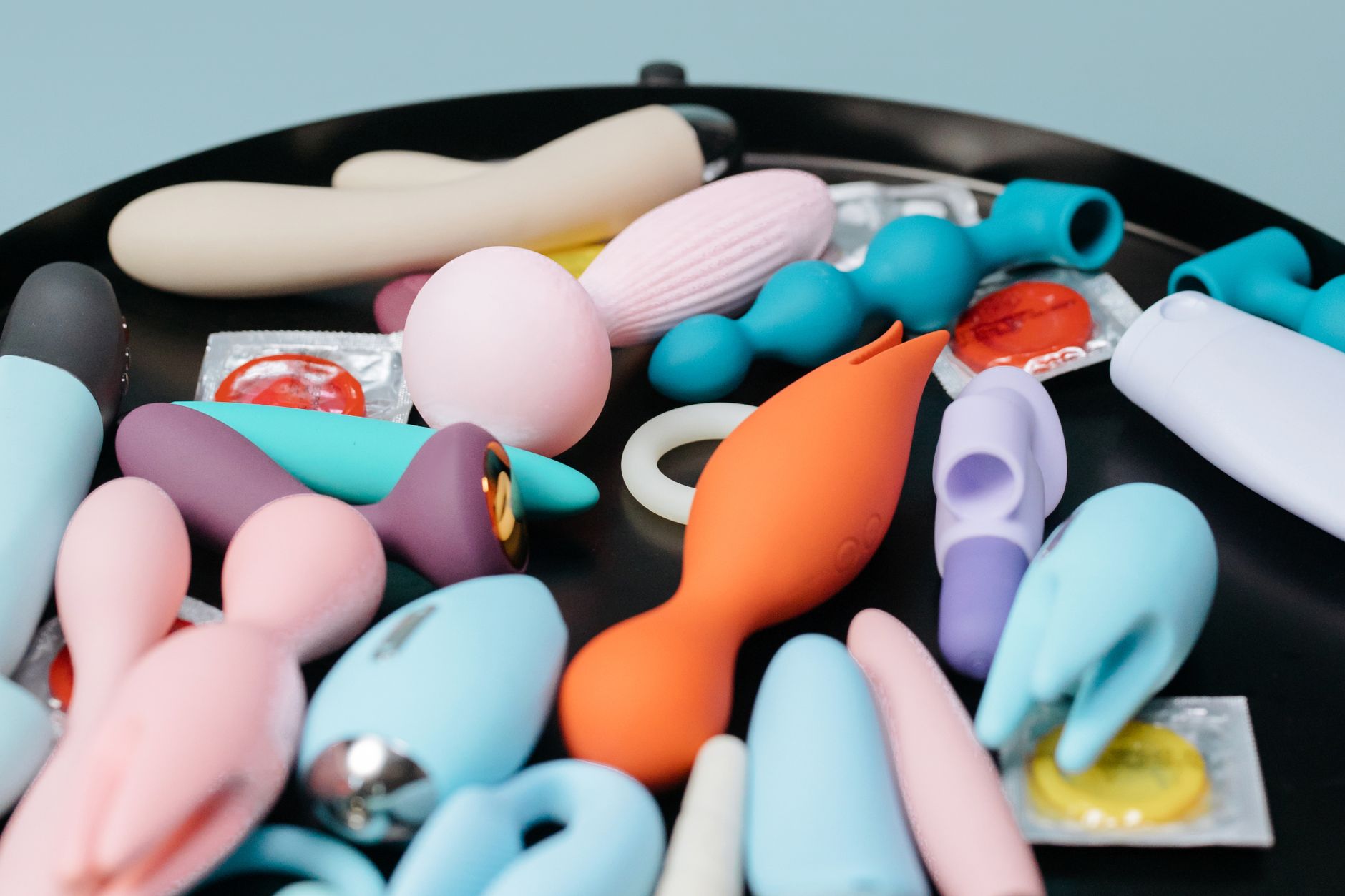
Why Lemon Vibrators Feel Different With Menopause: Hormonal Changes Explained
Let's be real: if your lemon vibrator suddenly feels different after 45 or 50, you're not imagining it. Your clitoris genuinely is experiencing a shift. And knowing exactly what's shifting is the first step to enjoying lemon vibrators, lemon clitoral vibrators, and clitoral vibrators in general just as much as you always have, or frankly, better.
Menopause doesn't end your pleasure. It redirects it. The sensations you're noticing, the changes in response time, the way pressure feels different now — those are all temporary adjustments, not permanent losses. I see this in my practice constantly, and I'm always struck by how much relief people feel just understanding the mechanics.
What estrogen actually does to your clitoris
Your clitoris is exquisitely sensitive to estrogen. When levels drop sharply during perimenopause and menopause, the tissue changes in measurable ways. The clitoral hood gets thinner. Blood flow decreases slightly. The nerve endings themselves don't vanish, but the tissue surrounding them loses some of its elasticity and swelling capacity. That's why a lemon clitoral vibrator that felt perfect at 40 might feel dramatically different at 52.
Here's what doesn't change: the neural architecture. Your brain still sends and receives pleasure signals identically. Your clitoris still has roughly 8,000 nerve endings. Orgasm is still biologically possible, often intensely so.
What does change is the pathway there. Think of it like this: your driveway still connects to the road, but the surface texture is different, and it takes slightly longer to warm up the engine.
The three main sensation shifts you might notice
1. Slower arousal time. You might need fifteen to twenty-five minutes to reach the same level of readiness that used to happen in five. This isn't dysfunction. This is biology. Your clitoris needs more consistent, sustained stimulation now. That's precisely why lemon vibrators, with their sustained suction pattern, often work beautifully here. The Lem vibrator and similar lemon sucker devices maintain steady pressure without requiring you to find and maintain the perfect angle.
2. Sensitivity shifts, not loss. Some people find their clitoris is more sensitive. Some find it's less so. Both are normal. The change in tissue thickness means direct touch sometimes feels too intense, while sustained suction feels exactly right. This is why adjusting from a traditional vibrator to a lemon vibrator designed with suction technology can feel revelatory. You're matching the device to your body's new baseline.
3. Orgasm texture changes. Orgasms might feel slightly different in duration or intensity, or they might feel deeper and more full-body. Some people describe post-menopausal orgasms as more concentrated. Others say they radiate differently. The variation is wide, and the experience is still absolutely achievable.
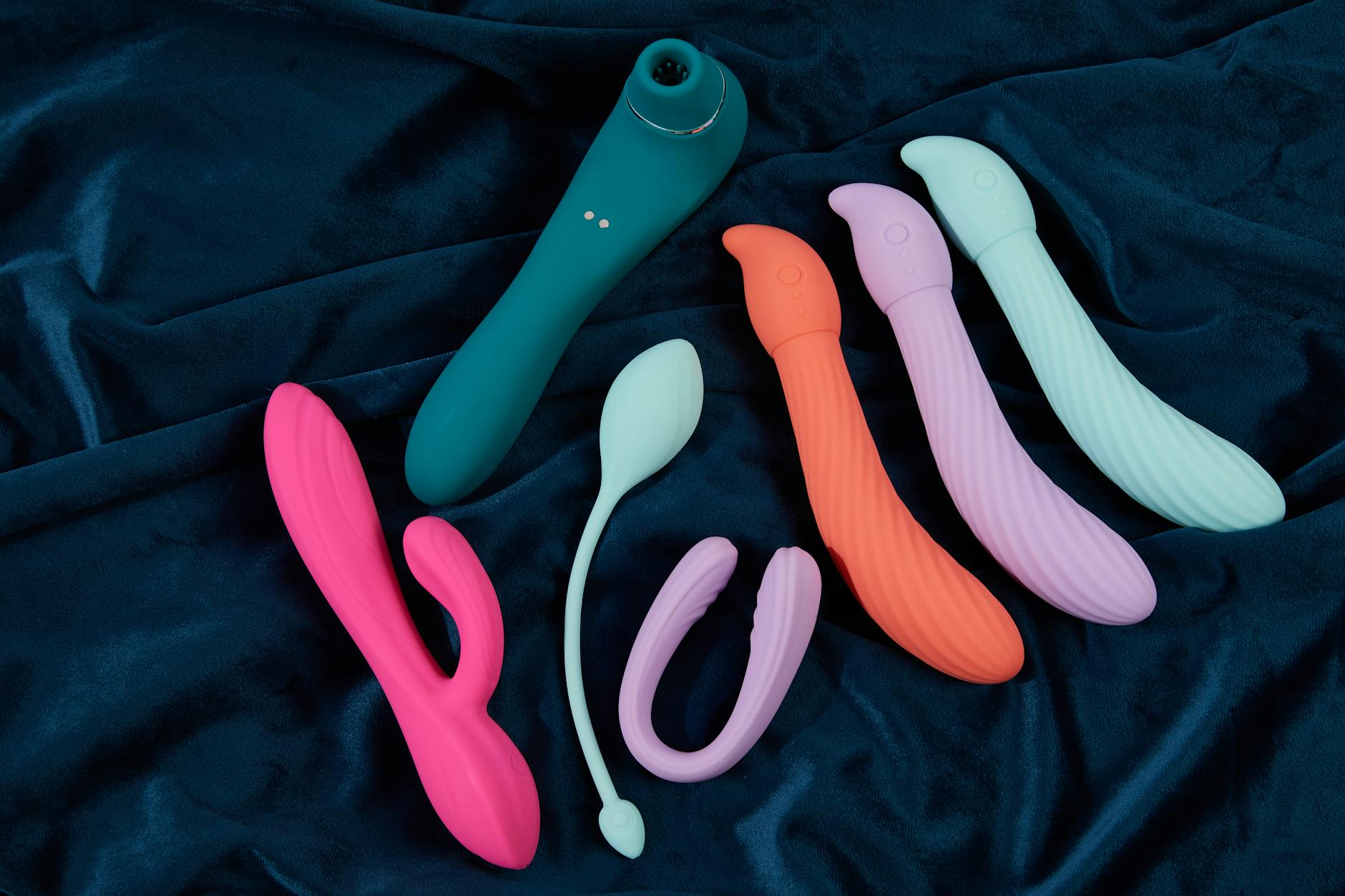
Photo by IFONNX Toys on Pexels
Why this is actually an opportunity to optimize
Menopause forces you to pay attention. And that attention is almost always valuable. Most people I work with use this transition as a moment to rebuild their pleasure practice from the ground up, rather than assuming the old approach will work.
That usually means: more communication with any partners about what feels good now, more exploration of different stimulation patterns, and often, a genuine investment in tools designed for the post-menopausal clitoris. Lemon sexual toys, particularly suction-based clitoral vibrators like the Lem vibrator, are engineered precisely for this. The suction technology stimulates a broader area of tissue, doesn't require the same direct pressure, and tends to feel more accessible during a transition when sensitivity has shifted.
Many people also discover that menopause is the first time they've really explored solo pleasure intentionally. The hormonal noise quiets. Your schedule might finally be your own. Permission arrives. And that permission, combined with better tools and real understanding of how your body works now, often leads to the most satisfying sexual experiences of someone's entire life.
The role of testosterone, which also drops
You produce testosterone even if you have a vulva. It's a significant contributor to desire, especially sexual desire. During menopause, testosterone levels drop too, sometimes even more dramatically than estrogen. You might notice that spontaneous desire feels quieter. The urge to initiate might be less frequent.
This isn't laziness or loss of interest in your partner or yourself. It's biochemistry. And it's addressable in several ways. Some people benefit from longer, more dedicated time for sexual activity. Some find that starting with clitoral stimulation, using lemon clitoral vibrators or other tools, actually builds desire as you go. The sensation creates the context for wanting more sensation.
If desire has completely flatlined and isn't returning with time and exploration, testosterone therapy is worth discussing with a menopause-informed healthcare provider. It's not routinely offered in every country, but where it's available, it can be transformative.
Lubrication isn't the only thing that changes
Yes, vaginal dryness is real, and it matters. But tissue changes happen throughout the vulva and clitoris, not just in the vagina. The clitoral tissue itself becomes thinner. This means the area is sometimes more sensitive to friction, which is why gliding vibrators sometimes feel less comfortable and why suction-based lemon vibrators often feel better.
Water-based lubricant helps, always. But the device choice matters more than people realize. Why lemon vibrators work better for clitoral sensitivity explores this in depth, but the short version is: suction disperses pressure across a larger surface area, which is gentler on newly thinned tissue while still delivering intense sensation.
How to recalibrate your approach
Start by accepting that your old routine might not be your new routine. And that's not a loss. It's information.
Adjust timing. Budget more time. Fifty minutes instead of twenty. Let arousal build. Your body isn't broken; it just has a different acceleration curve.
Experiment with patterns. If you were loyal to one vibration pattern before, try starting at a lower intensity level now. The Lem vibrator and similar lemon sucker devices offer multiple patterns. Spend a few sessions just exploring which patterns feel best at this stage of your life. Your preference might surprise you.
Use lubrication consistently. Even if you don't feel dry, adding water-based lubricant often makes everything feel richer and reduces any micro-friction that could feel uncomfortable on thinner tissue. This is universal best practice post-menopause.
Communicate openly if you have a partner. Tell them exactly what you're noticing. Don't frame it as a problem you need to apologize for. Frame it as new information that makes sex better. "I need a different approach now" is radically different energy than "My body doesn't work anymore." One opens a conversation; the other closes it.
When sensation changes signal something medical
If pleasure has shifted but you're still experiencing it, you're almost certainly fine. Adjustment is normal. But there are a few scenarios worth bringing to a healthcare provider.
Pain during penetration or stimulation sometimes appears during menopause, especially if tissue thinning is severe. This is genitourinary syndrome of menopause, or GSM. It's extremely common and highly treatable with topical estrogen creams, vaginal moisturizers, or systemic hormone therapy. Don't push through pain. Get evaluated.
If using a lemon vibrator or any device suddenly causes discomfort where it didn't before, check the lubrication first. Then consider whether your stimulation pattern or pressure has changed. If discomfort persists with proper technique and adequate lubrication, mention it to your doctor.
Complete loss of sensation is rare and usually indicates something other than menopause alone. If you genuinely feel nothing, that's worth investigation.
The emotional piece is just as real as the physical one
Menopause arrives alongside other life transitions. Adult children leaving home. Career changes. Relationship shifts. Grief. All of that can show up as flatness in your sexual response. It's easy to blame hormones for everything. Sometimes it's just the weight of what's happening elsewhere in your life.
This is why I often recommend that people separate two conversations: "My body is different" and "My life is different." You can have both true at once. But they require different solutions. A lemon clitoral vibrator solves the first one. A real conversation with your partner or a therapist might solve the second.
Photo by cottonbro studio on Pexels
The most important thing to know
Menopause is not the end of pleasure. Every data point I see, both in research and in conversations with clients, shows the opposite. People often experience the most satisfying orgasms of their lives after menopause. The combination of reduced hormonal noise, deeper self-knowledge, and better tools designed for your actual current anatomy creates conditions for genuinely excellent sex.
You're not broken. Your lemon vibrator still works. You've just got new information about how to use it, and frankly, that's the most empowering position to be in.
If you're just starting to explore lemon vibrators as your body changes, how to use lemon vibrators for beginners covers the fundamentals. And if you're navigating these shifts within a relationship, how lemon vibrators can improve intimacy in long-term relationships is worth reading alongside this piece.
FAQ: Menopause and Lemon Vibrators
Why do lemon sucker vibrators feel better after menopause than traditional vibrators?
Suction-based lemon vibrators distribute pressure across a larger surface area rather than concentrating it on one point. As clitoral tissue thins with lower estrogen, this broader, gentler pressure feels more comfortable while still delivering intense sensation. The Lem vibrator and similar designs work with your body's new baseline rather than against it. Traditional vibrators sometimes feel too pointed or too intense now. It's not that they don't work; it's that suction technology is better engineered for post-menopausal anatomy.
Does menopause make orgasms impossible with any vibrator?
No. Orgasms are still completely achievable during and after menopause. What changes is the pathway there. You might need longer arousal time, a different stimulation pattern, or sustained pressure instead of rapid vibration. But the neural architecture for pleasure remains intact. If anything, many people report more intense orgasms after menopause because mental distraction drops and you've finally given yourself permission to focus on your own sensation.
Should I switch to a different lemon clitoral vibrator after menopause?
Not necessarily. You might love the one you have. But if your previous device suddenly feels uncomfortable or ineffective, it's worth exploring alternatives. Many people find that suction-based lemon sexual toys, or models with adjustable intensity levels, feel better now. Try adjusting to a lower power setting first. If that doesn't help, then exploring a different design makes sense.
Can hormone replacement therapy affect how lemon vibrators feel?
Yes. Hormone therapy restores some tissue thickness and blood flow, which often makes sensation feel closer to what it was pre-menopause. You might find that a device that felt uncomfortable suddenly feels great again after a few months on HRT. This is normal and actually useful information, because it confirms that your sensation changes were hormonally driven rather than neurological.
How long does it take to adjust to sensation changes?
Usually three to six months. Your body is literally rebuilding its tissues, and adaptation takes time. Some people notice shifts quickly; others take longer. The important thing is to keep exploring and communicating rather than assuming something is permanently broken. Give yourself grace and patience during this transition.
Is it normal to want more or less stimulation after menopause?
Completely normal. Sensitivity shifts differently for different people. Some people find they need less intense stimulation now. Others need more or prefer different patterns altogether. Your only job is to notice what feels good now, not what felt good at 35. That's not regression; that's just having more information about yourself.
Working through menopause and shifting pleasure patterns? Let's talk about what's actually happening in your body and how to optimize for it. Get in touch with any questions about navigating this transition.