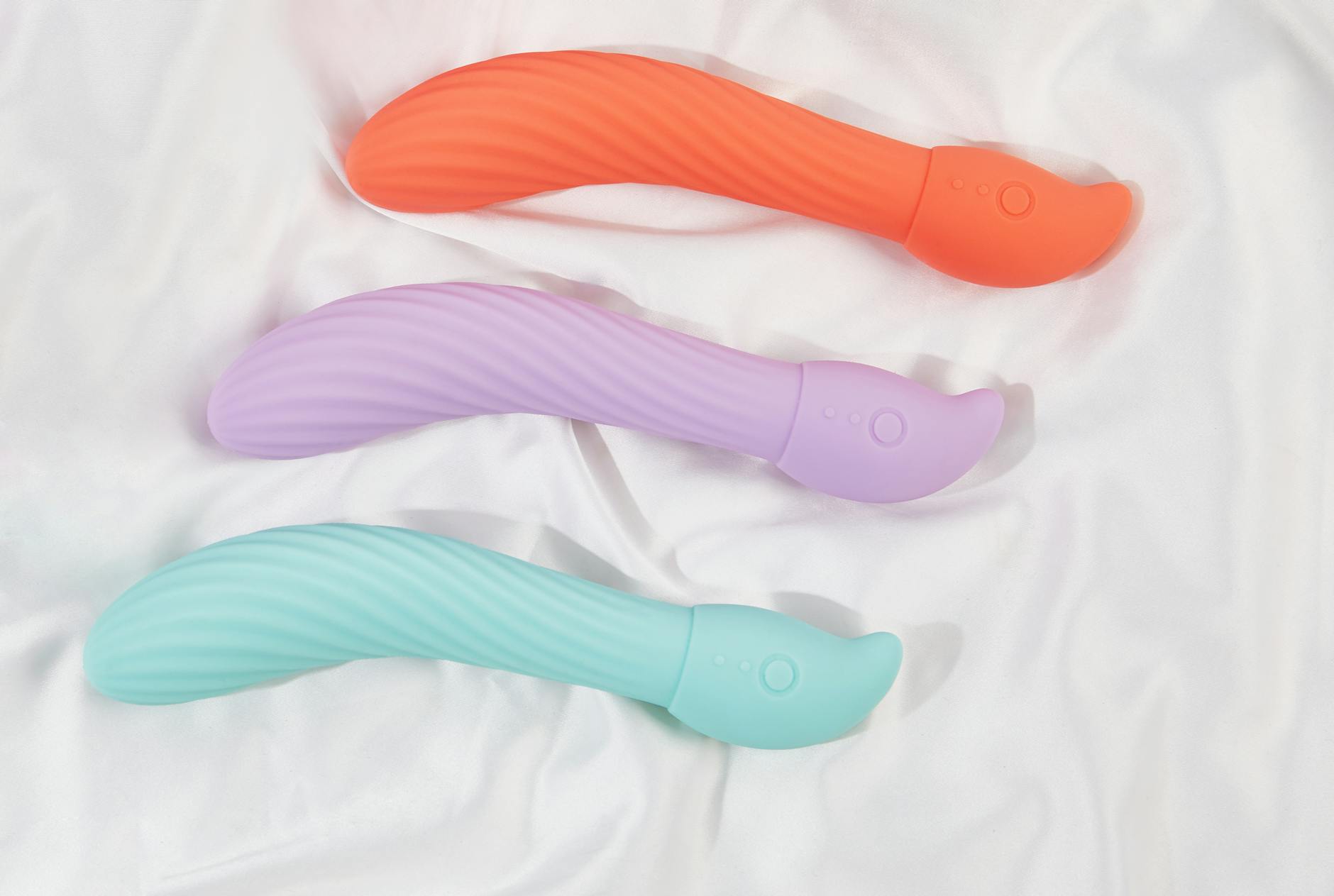
Let's be real about what erectile dysfunction actually changes
EDs not the end of your sex life. Its a redirect. When a partner experiences erectile dysfunction, the automatic assumption is that penetration is off the table and everything else follows. Wrong. What actually happens is you get to rebuild intimacy from scratch, and for a lot of couples, that becomes the foundation of their best sex.
Here's the thing most people don't talk about: erectile dysfunction often creates shame and withdrawal. The person experiencing it pulls back. The other partner second-guesses their attractiveness. Everyone gets stuck in their own head. A lemon clitoral vibrator can break that deadlock because it shifts focus to pleasure that doesn't depend on any one person's body performing a specific way.
I've worked with dozens of couples navigating this transition. The ones who thrive are the ones who say, "Okay, so that's off the table. What lights us both up instead?"
Why lemon vibrators work particularly well when ED is present
A lemon clitoral vibrator like the Lem operates independently of arousal mechanics that might be compromised. You're not waiting for physical response that might not come. You're creating sensation directly, which means:
Both partners can relax. When penetration is the only goal, performance anxiety spikes for the person with ED and frustration builds for their partner. A lemon vibrator removes that binary. Success isn't contingent on one person's body cooperating.
There's something to do together. Touching, guiding, watching, participating. Shared pleasure is different from solo pleasure, and it's available to you even when penetration isn't.
You're not forcing the old script. The brain is weirdly loyal to habit. If sex has always meant one specific sequence, your nervous system keeps reaching for it even when it doesn't work anymore. Introducing a clitoral vibrator into your intimate routine means creating new neural pathways. New patterns. Your body learns that pleasure looks different now, and different is still good.
The conversation that needs to happen first
Before you introduce a lemon vibrator, separate two conversations that usually tangle together: "Your body is changing" and "I still want you." Those sound related, but they're not.
Start small. "I've been thinking about ways we can reconnect that feel good for both of us. I found something I'd like to try together." That's it. Not "because you can't get hard anymore" or "because we need to fix something." Just "I want us to explore this together."
If your partner resists, listen to what that's actually about. Is it shame? Insecurity? Fear that introducing a vibrator means you're not attracted to them? Those are different problems with different solutions. The vibrator isn't the problem to solve. The shame is.
Some partners worry that a lemon vibrator will replace them. Spoiler: it won't. It will do something their body can't do right now, and that's actually a relief for both people. You're adding, not subtracting.
How to structure shared pleasure that works
Think of your intimate time as having three zones now instead of one: foreplay, main event, and aftercare. Here's how that shifts when ED is in the picture.
Foreplay becomes deeper. You're not rushing toward penetration. You're exploring touch, kissing, dirty talk, attention to the whole body. This is where you rebuild mutual arousal. Spend 15 to 25 minutes here. No agenda except connection.
The main event introduces the lemon vibrator. This is where you get creative. Your partner might hold the vibrator for you. You might guide their hand. You might hold it yourself while they touch you elsewhere. You might use it together and then switch roles. The point is: it's an instrument of shared pleasure, not a solo tool used while they watch.
One pattern that works really well: your partner uses the vibrator on you while you're touching them, kissing them, maintaining that physical connection. The vibrator does the intense stimulation. Their hands and mouth do the intimacy. Everyone's brain is still connected to someone else's body.
Aftercare happens after. Not because you're