Dissociation is your nervous system's way of saying "I can't be here right now." It's a survival mechanism. When life gets overwhelming, your brain steps back from sensation, emotion, and presence. That's useful when you're processing trauma or managing anxiety. The problem is that dissociation doesn't care about context. It shuts down physical sensation whether you're in danger or having sex with someone you love.
When you're dissociated, pleasure feels like it's happening to someone else. You might see your body from above. You might feel numb even during stimulation that should feel incredible. You might notice the mechanics of arousal without ever landing in the experience itself. And if that's been your baseline for a while, reconnecting with sensation feels impossible.
Here's what matters: it's not impossible. Your nervous system learned how to leave. It can learn how to come back.
Most vibration sends signals through rhythmic pressure. Your body interprets that as a pattern, which is useful for many things. But when you're dissociated, your brain can miss that pattern entirely. It's background noise. Air suction technology works differently.
Instead of vibration, air suction creates a pulsing sensation that mimics oral stimulation. This matters because oral sensation activates a different neural pathway than vibration alone. It's more anatomically direct. The gentle suction pulls tissue inward, then releases, creating a cyclical physical experience that's harder for a dissociated nervous system to ignore.
Think of it like this: vibration is a knock on the door. Air suction is someone calling your name.
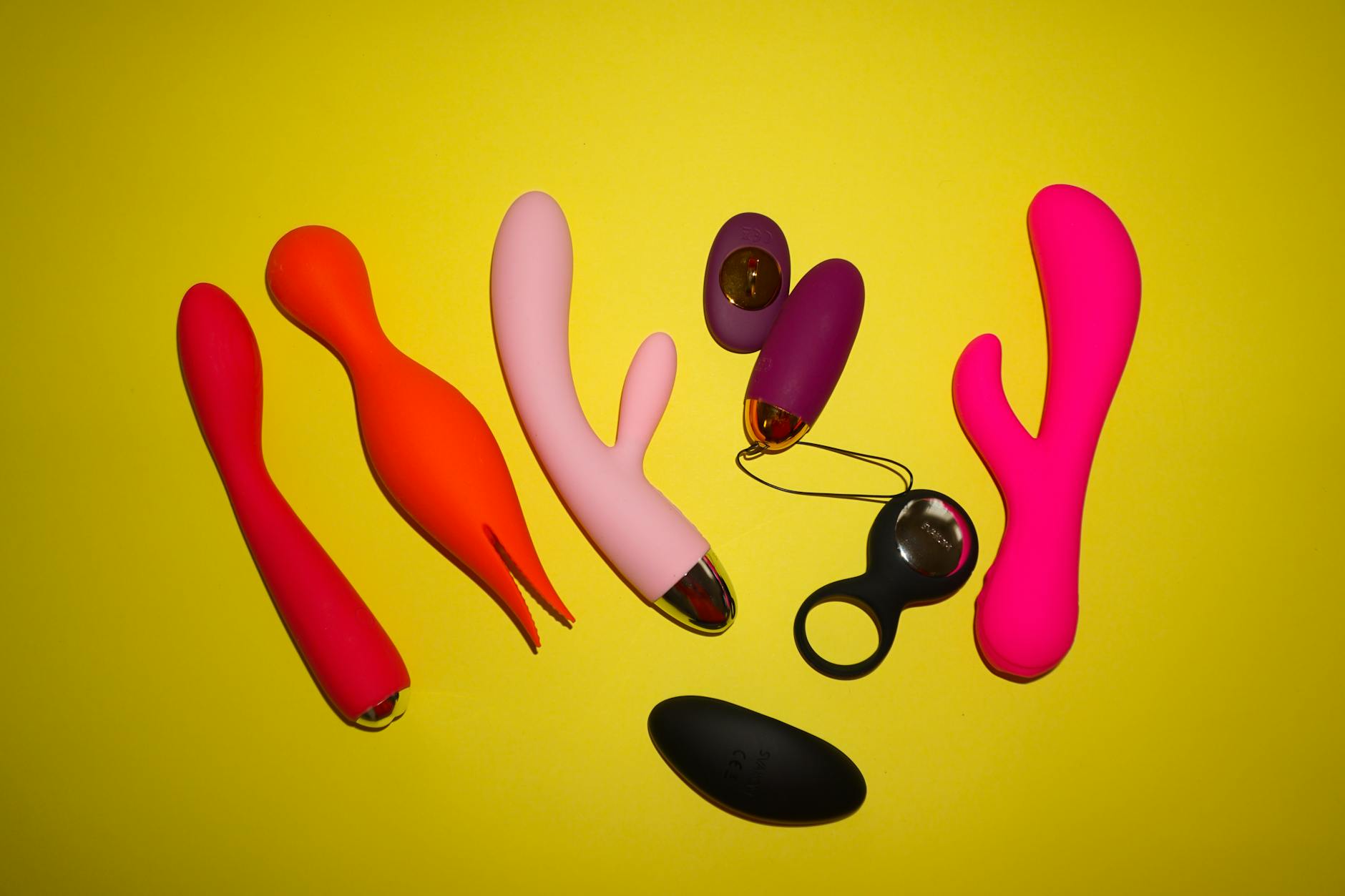
The lemon clitoral vibrator uses precisely that technology. It's designed to create focused stimulation without the heavy vibration that can feel impersonal or distant. For people working through dissociation, that difference is significant.
This is the part that changes everything. Reconnecting after dissociation isn't about jumping straight to orgasm. It's about retraining your nervous system to stay present in physical sensation.
Before you use any lemon vibrator, spend 5-10 minutes on what I call a "grounding session." This looks like:
Temperature awareness. Run warm water over your hands. Notice the exact temperature. Dry off slowly. Feel the texture of your skin.
Breath focus. Breathing deeply isn't trendy meditation advice here. When you're dissociated, breathing is often shallow. Intentional slow breathing signals your vagus nerve that it's safe to be present. Try 4-count in, 6-count out for two minutes.
Texture mapping. Touch different parts of your body slowly. Your forearm. The inside of your wrist. Your collarbone. Don't do this to become aroused. Do it to practice noticing sensation without judgment.
Only after you've done this for a few minutes should you introduce the lemon vibrator. Your nervous system needs permission to be present before pleasure.
When you're reconnecting with your body, slow is not code for boring. Slow is your pace back to yourself.
Start the lemon sucker at the lowest intensity setting. You're not looking for immediate intensity. You're looking for notification. Can you feel this? Is this real? Am I here? Those questions matter more than how good it feels right now.
Keep your eyes open for the first 5-10 minutes if you can. Closing your eyes is often a dissociation trigger. Looking at your body or your hands can anchor you. If closing your eyes feels necessary, that's information too. Don't force it.
If you notice yourself floating away mentally, pause. Come back to breath. Notice something you can see right now. A corner of the room. Your hand. The sensation under you. This isn't failure. This is practice.
Many people find that staying at lower intensities for longer actually builds more reliable arousal than jumping to high settings. Your nervous system gets used to sensation gradually, and presence deepens. This takes patience.
It happens. You're present, building sensation, and suddenly your head feels distant or your body feels numb again. This is normal. It's not a sign you're broken.
When this happens, pause the lemon clitoral vibrator immediately. No judgment about stopping. Stopping is fine. You can always come back.
Here's what helps: ground in three things at once. What do you hear? What are you touching? What do you see? Anchor into those three sensations simultaneously. This is stronger than trying to stay present in your body alone.
Many of my clients find that restarting after a dissociative moment isn't about pushing through. It's about recognizing that their nervous system said "enough" and honoring that. Sometimes a 15-minute session where you check in with yourself three times is more valuable than 30 minutes of constant stimulation.
If you're partnered, your person doesn't need to understand dissociation completely. They need to understand one thing: presence matters more than performance right now.
That might mean they're not in the room initially. It might mean they're there but not touching you. It might eventually mean they're touching you slowly while you use the lemon vibrator, but that comes later. Build your foundation first.
If they want to understand better, point them to how bodies work under stress. When your nervous system feels unsafe, pleasure can't land. You're not withholding pleasure. Your body is protecting itself. Once they get that, most partners become your biggest allies in rebuilding sensation.
Reconnecting isn't linear. You might have a session where presence comes easily, and the next one where dissociation feels immediate. Both are normal.
However, there are real markers of progress. You might notice:
You stay present for longer before dissociation kicks in. That's improvement. Celebrate it.
Your body's response feels less distant. Stimulation might not feel mind-blowing yet, but it feels more like something happening to you rather than something you're observing.
You can recognize dissociation faster and interrupt it. This is huge. Your nervous system is getting better at noticing when it's leaving.
Orgasms might not happen for a while, and that's completely fine. The goal right now is presence, not climax. Orgasms often come back once your nervous system trusts that it's safe to stay.
Most people see meaningful shifts in 3-6 weeks of consistent practice, but "consistent" here means once or twice a week, not daily pressure. Reconnection is about quality, not frequency.
Your lemon vibrator is one tool, not the only one. Some people find that pairing air suction stimulation with other grounding practices deepens reconnection faster.
That might look like using the lemon clitoral vibrator while listening to a specific song, so your nervous system learns to associate that presence with that sound. Or using it in a specific room where you feel safe. Or starting with your partner holding your hand, even if they're not touching you sexually.
Some people benefit from working with a therapist during this phase. Dissociation often has roots. Addressing those roots while you're rebuilding sensation creates faster, more sustainable change.
The lemon sucker is a tool for reconnection, but your nervous system is doing the work. The vibrator is just the invitation.
Absolutely. When you're deeply dissociated, even intense stimulation can feel completely neutral. That's not a reflection on the quality of the device. It's your nervous system protecting you. This is exactly why starting with the lowest intensity and focusing on presence matters more than device choice. As you rebuild presence, the same vibrator that felt like nothing three weeks ago might feel incredible.
Yes. Dissociation doesn't turn off the moment you decide to feel present. Your nervous system might need multiple sessions to understand that it's safe to stay. Some people benefit from short sessions (10-15 minutes) a few times a week rather than longer sessions. That gives your nervous system repeated evidence of safety without overloading it.
Dissociation has a specific quality. You might feel like you're watching your body from above. Your limbs feel heavy or disconnected from your control. Time becomes strange (five minutes feels like 30). You might feel emotionally flat even when something should feel good. Not being aroused is different. You might feel present but just not interested. That's valid too, but it's not dissociation. If you're unsure, that's worth exploring with a therapist.
Start alone. Your nervous system needs to learn that pleasure is safe without the additional layer of managing someone else's experience. Once you've rebuilt presence and arousal solo, adding a partner becomes possible. That progression matters. Some people reconnect faster knowing their partner isn't involved yet.
Maybe. Trauma and dissociation are related but not identical. If your dissociation is trauma-related, working with a trauma-informed therapist while experimenting with any vibrator is important. They can help you understand your specific nervous system's needs. Some trauma survivors find air suction vibrators helpful. Others need different approaches. Neither is wrong. Your therapist can help you figure out what serves you.
It varies wildly. Some people notice shifts in 3-4 weeks. Others take 3-4 months. The speed often depends on what's causing the dissociation. If it's situational (stress, recent trauma), reconnection can be faster. If it's chronic or rooted in deeper patterns, it takes longer. Be patient with yourself. Reconnecting is real work.
Your body isn't broken. Your nervous system is doing exactly what it learned to do. And nervous systems can learn new things.
The lemon clitoral vibrator is specifically designed to create the kind of focused, direct sensation that can help bring you back. But the real work is yours. It's in the breathing. In the noticing. In the patience with your own pace. In honoring when your body needs to pause.
If you want support walking through this, my team at Mylem Official is here. And if you want to talk through your specific situation, reach out. Your pleasure is worth the effort to reconnect.