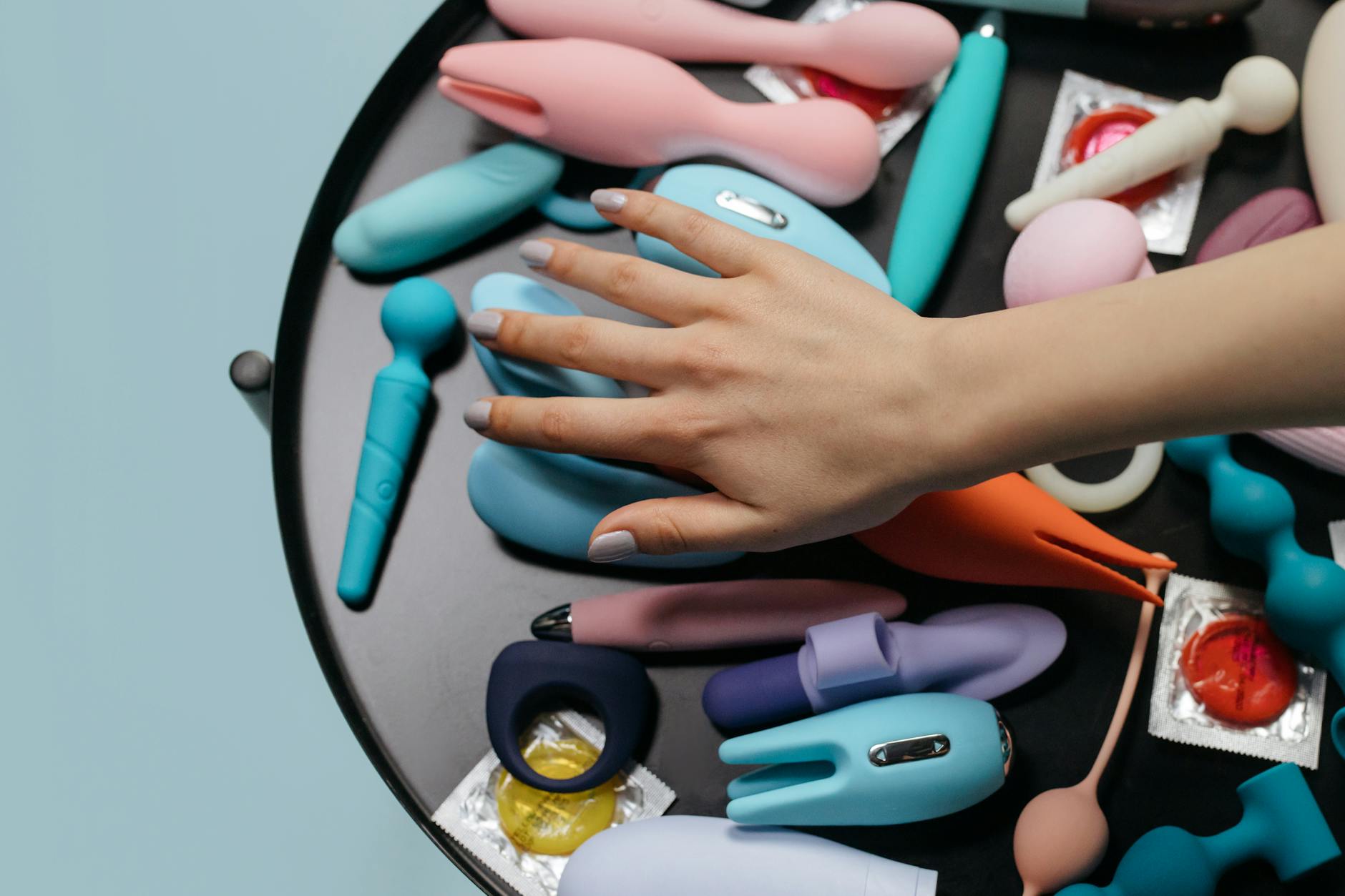
When burnout kills what used to feel automatic
Let's be real: burnout and desire are fundamentally incompatible. When you're running on fumes, your nervous system isn't thinking about pleasure. It's in survival mode. Your body doesn't want touch. Your brain doesn't want to focus. The idea of intimacy feels like another obligation on an impossible list.
This is incredibly common, and it's not a sign that your relationship is broken or that you're broken. It's a sign that you're burned out. Those are different problems with different solutions.
What burnout actually does to arousal
Burnout is a state of physical and emotional exhaustion. When you're there, your cortisol (stress hormone) stays elevated, your dopamine (motivation and pleasure chemical) tanks, and your nervous system stays locked in fight-or-flight mode. None of those conditions are compatible with arousal.
Here's the chain reaction: elevated stress hormones suppress sex hormones. Your body literally deprioritizes the biological systems needed for arousal because it's convinced you're in danger. Add in decision fatigue, mental clutter, and the touching-out feeling that comes from giving everything away all day, and desire doesn't just dip. It vanishes.
But here's what matters: this isn't permanent, and it's not about your partner or your relationship. It's about your nervous system being stuck in the wrong gear.
Why lemon clitoral vibrators help differently when you're exhausted
This is where air-suction technology like the Lemon vibrator becomes useful in a very specific way. When you're burned out, you need stimulation that requires almost nothing from you mentally or physically.
Traditional vibrators demand rhythm awareness. You have to manage pressure, control movement, stay focused. That's work. When you're already depleted, work is the last thing your nervous system wants.
Air-suction devices like the Lemon work through gentle pulsing suction that stimulates the clitoral nerves without requiring you to do anything except hold it still. There's no complex rhythm to track, no pressure to manage. You can literally lie there while your body remembers what pleasure feels like.
The sensation also tends to feel less intense initially, which matters when you're touched out. You get to ease in at your own pace instead of jumping straight to overwhelming sensation.
Starting the reconnection conversation
Here's where most couples get stuck: one person is burned out and absent. The other person feels rejected. Then the conversation becomes "Why don't you want me?" instead of "How can we rebuild this together?"
Those are completely different conversations with completely different outcomes.
If you're the burned out one, the first step is naming it explicitly. "I'm burned out. My brain is foggy. I don't have energy for much right now, and that includes intimacy." That's not rejection. That's information. Your partner deserves to know what's actually happening instead of wondering if they did something wrong.
Then: "I want to work on rebuilding connection, but it needs to look different right now. I need it to be low-pressure and require almost nothing from me at first." That's where a lemon sexual toy becomes practical rather than romantic. It's a tool that lets you start moving toward pleasure again without burning more energy.
If you're the partner of someone who's burned out, the hardest thing to do is take the lack of initiation as information, not rejection. Listen to what they actually need instead of what you think they should want. Low-pressure reconnection means you're not pushing for anything. You're supporting their re-entry into pleasure at their pace.
Rebuilding arousal when nothing sounds appealing
One of burnout's cruelest tricks is anhedonia: the inability to feel pleasure even when you're doing things that used to feel good. You can use a lemon clitoral vibrator and feel... nothing. Or something thin and distant. That's not a sign the toy doesn't work. That's a sign your nervous system needs time to downshift.
Start small. Don't expect an orgasm. Don't expect fireworks. The goal is sensation awareness, not climax. Spend 5-10 minutes with a lemon vibrator at a low setting just noticing what you feel. No performance pressure. No outcome requirement.
Then actually rest. Burnout recovery isn't a sprint. Your nervous system needs time to return to baseline before pleasure can feel like pleasure again, not just another stimulation.
The timing question nobody talks about
When should you try reconnecting sexually after burnout? When you have slightly more energy than you do right now, not when you have tons of energy again. Waiting until burnout is completely gone means waiting 6-12 months in many cases. You want to start inching toward reconnection while you're in the process of recovering, not after.
That might mean you initiate a low-pressure session with a lemon vibrator while you're still tired but not completely depleted. You're not trying to prove you're better. You're gently signaling to your nervous system that pleasure matters and starting to rebuild the neural pathway back to it.
One session doesn't fix burnout. Consistent, low-pressure reconnection does. Think micro-dosing arousal while you're also actually addressing the burnout itself through rest, boundaries, and real life changes.
What happens with your partner during this
If you're using a lemon vibrator solo, your partner might feel left out. That's a real conversation worth having. Some people want to be present but hands-off. Some people want to be in another room entirely. Some people want to help and feel useful.
There's no right answer. But deciding together instead of hiding it matters enormously. "I need to reconnect with my own pleasure first before we reconnect together" is vulnerable and honest. "I want you to see this but understand I need zero performance pressure" is different. "I need this to be completely solo right now" is also valid.
The reconnection isn't just about sex. It's about rebuilding trust that your body is yours again and pleasure is possible again. Your partner gets to be part of that process, but only in the way that actually helps instead of adds pressure.
The markers that you're actually recovering
You'll know reconnection is working when small things shift. You start thinking about pleasure unprompted instead of only when your partner initiates. You notice sensations more acutely. You want touch sometimes instead of never. You initiate something, even if it's just "Hey, I want to use my lemon vibrator in a few minutes."
These aren't huge moments. They're small nervous system signals that arousal is becoming possible again. Honor those signals. They're real progress.
Burnout recovery takes time. Reconnection takes time. But using lemon clitoral vibrators as a low-pressure way to rebuild sensation and arousal? That's often exactly what helps people move from "I don't want to want this" back to "I'm starting to remember why this matters."
Frequently asked questions
Can a lemon vibrator actually help if I feel completely numb to pleasure?
Yes, but with realistic expectations. A lemon sexual toy won't create sensation that isn't there, but it can help signal to your nervous system that arousal is safe and possible. The suction sensation often registers differently than traditional vibration when you're touched out, which sometimes allows pleasure to register even when you're depleted. Start at the lowest setting and focus on sensation awareness rather than orgasm.
How often should I use a lemon clitoral vibrator while recovering from burnout?
There's no magic number. Some people benefit from daily micro-sessions of 5-10 minutes. Others do better with two or three longer sessions a week. Pay attention to what feels sustainable. If using a vibrator starts feeling like another obligation, it's too much. The goal is to gently rebuild arousal, not to add pressure.
Should my partner be involved when I'm using a lemon vibrator after burnout?
That depends on what you need and what feels supportive. Some couples find that one partner being present (without expectations or touch) helps rebuild emotional connection. Others find that solo time with a vibrator feels safer while you're rebuilding trust in your own pleasure. There's no wrong answer. What matters is deciding together instead of keeping it secret, which adds shame on top of everything else.
How long does it typically take to want sex again after burnout?
It varies wildly depending on the burnout's severity and whether you're addressing the underlying causes. If you're still in the same exhausting situation, reconnection will stall. If you're actively recovering, you might notice small shifts in arousal within 2-4 weeks of low-pressure reconnection practice. Sustainable desire rebuilding usually takes 6-12 weeks of consistent gentle engagement.
Is using a lemon vibrator solo a sign that I don't want my partner anymore?
Not even close. It's the opposite. It's you saying "I want to want this again, and I need to rebuild that connection to my own pleasure first." That's actually one of the most relationship-focused things you can do during burnout recovery. You're not checking out. You're getting yourself back online so you can show up more fully.
What if I feel guilty using a lemon sexual toy instead of being intimate with my partner?
Guilt is just information that you haven't had an honest conversation yet. If your partner knew this was part of your burnout recovery instead of a replacement for intimacy, would the guilt shift? Usually yes. Have that conversation. Most partners would rather know you're working toward reconnection through a tool that helps than watch you white-knuckle through obligatory sex that deepens disconnection. Honesty builds more intimacy than performance ever will.
Moving forward
Burnout steals arousal. It doesn't steal your capacity for pleasure. There's a difference. Using a lem vibrator during burnout recovery isn't about forcing desire back. It's about gently reminding your nervous system that pleasure is safe, possible, and worth building back toward. That's how real reconnection starts.
If you're navigating burnout and want support thinking through reconnection in your specific relationship, we're here to talk through it. Reach out at /contact.