The hardest part isn't what you think
Infidelity doesn't just damage trust. It damages your body's memory of safety with your partner. Your nervous system has learned that this person is a threat. Rebuilding intimacy means rewiring that threat response, and that takes deliberate, consistent action.
Sex isn't going to fix what happened. Let's be clear about that. But sex can become a language again where both of you feel seen, chosen, and safe. That's what we're building here.
Why pleasure matters in the healing process
When infidelity happens, many couples avoid sex altogether. The logic makes sense: it feels tainted, it's triggering, or it reminds you of the violation. But avoidance actually deepens the wound. Your body stays frozen in the betrayal.
Reintroducing pleasure, slowly and intentionally, does something neurologically important. It creates new associations with your partner. It reminds both of you that your bodies are still capable of belonging to each other. This isn't about performance or proving anything. It's about creating micro-moments of genuine presence.
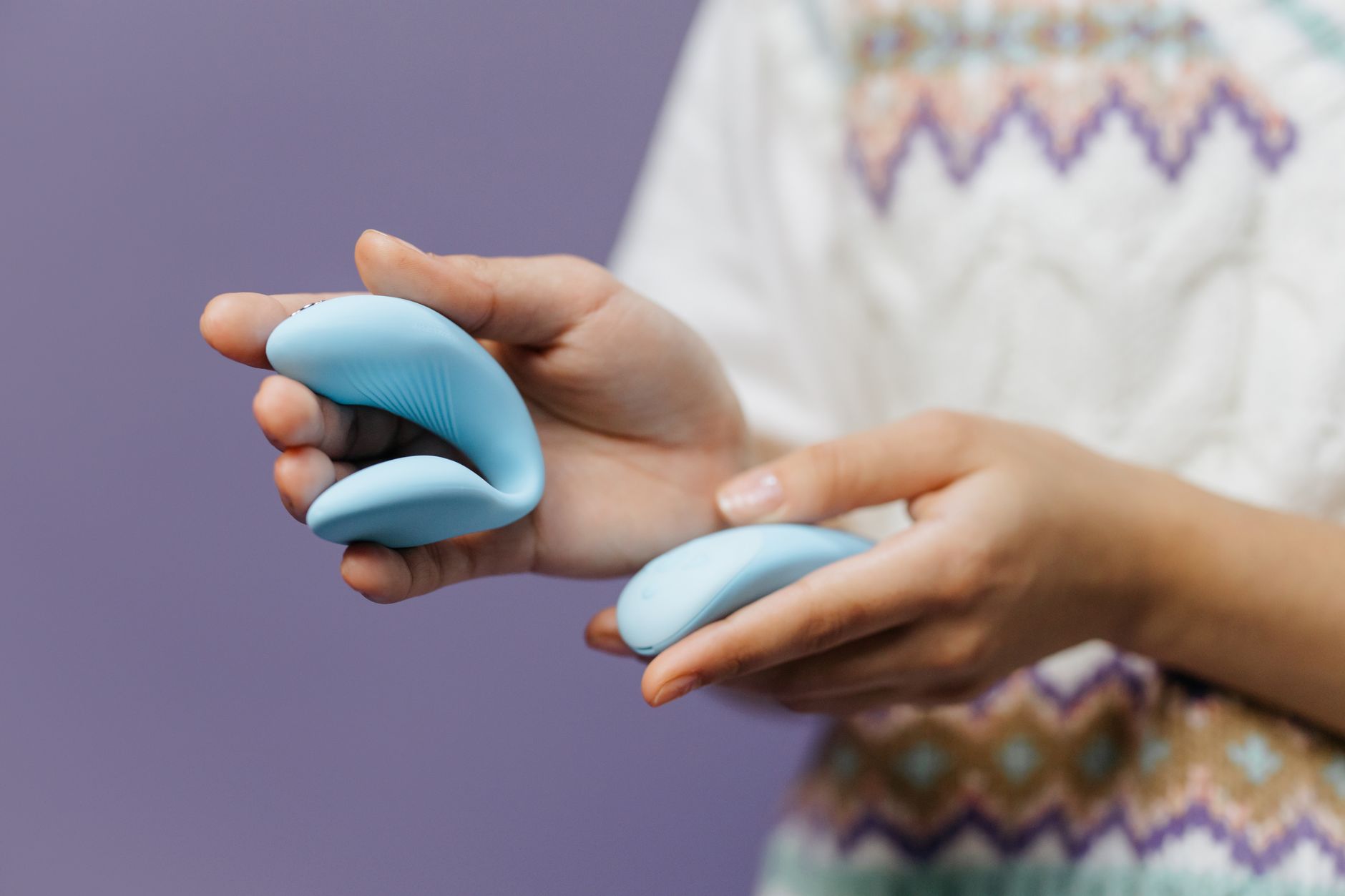
Using a lemon clitoral vibrator during this process serves a specific purpose: it shifts the focus from pressure ("we have to have sex") to sensation ("we get to feel good together"). For the partner who is healing from betrayal, vibrators reduce performance anxiety. For both partners, they create an object of shared attention that's neutral, novel, and about pleasure rather than about the past.
The scaffolding you need before you introduce toys
Honestly, don't buy a vibrator yet. Not until you've done this first.
You need three things in place before pleasure tools will actually help.
First: a direct conversation about what happened and why. Not a fight. Not blame-dumping. I mean a calm, structured conversation where the unfaithful partner explains what emotional need wasn't being met, what they were avoiding, what the affair was actually about. This conversation is agonizing, but it's the foundation. If you skip it, a vibrator just becomes a symptom bandage on a structural fracture.
Second: a plan for rebuilding trust. This is not vague. It's specific: What will the unfaithful partner do differently? How often will you check in emotionally? What are the boundaries around secrecy? Trust is rebuilt through repeated small moments of reliability, not through grand gestures. You need to know what reliability looks like for your specific situation.
Third: agreement that this is going to be slow. The partner who was betrayed needs to know they're not being rushed. The unfaithful partner needs to know they're not being punished forever. Both of you need a shared timeline. Six months, a year, whatever feels real to you.
When you're actually ready to reintroduce sex
Start with non-penetrative touch. Hand-holding, kissing, massage. This sounds elementary, but it's not. You're learning to be present in your body with this person again. Many couples who've experienced infidelity report that basic touch feels almost foreign. Taking weeks to just touch and be touched is how you rewire safety.
Once you're comfortable with extended touch, introduce a lemon vibrator together. Not in isolation. Together.
The unfaithful partner can use it on the person who was betrayed, slowly, paying attention to what feels good. No goal. No orgasm chase. Just sensation and attention. This matters because it shifts power. The person being touched gets to receive without performing. The person touching gets to focus entirely on their partner's pleasure, not their own. It's practice at genuine presence.
Alternatively, the person healing from betrayal might use it on themselves while their partner is present. This is safer for some people because it maintains autonomy. The unfaithful partner's job is to watch, to pay attention, to be a witness to their partner's pleasure. For many couples, this is the first time the unfaithful partner has actually looked at their partner in months.
Managing the emotions that come up
Lemon vibrators, like all adult toys, work through stimulation of the clitoral network. The sensation is direct, focused, and for many people, intensely pleasurable. That intensity can trigger a lot emotionally after infidelity. You might feel grief. Anger. Unexpected tenderness. All of that is normal.
What matters is that you stay with it. You don't leave the room. You don't make it about the betrayal. You stay in the sensation and let your partner stay in theirs. If emotions come up, pause, check in, and decide if you want to continue. This is how you teach your nervous system that intimacy with this person is safe again.
The pattern that actually works
If you're going to use a lemon clitoral vibrator as part of reconnection, here's the rhythm that my clients have found most healing:
Week one to two: extended non-sexual touch only. No goal. Just presence.
Week three to four: introduce the vibrator during alone time for the person healing from betrayal. Their partner can be in the room or not, depending on comfort. The point is to remember pleasure is available to them again.
Week five to six: use the vibrator together, with one partner touching and the other receiving. No performance expectations. If orgasm happens, great. If it doesn't, that's fine too.
Week seven onward: incorporate the lemon vibrator into partnered sex as something you both enjoy, not as a tool for healing. This is the shift from "we're fixing something" to "we're building something new."
This takes time. Real time. Most couples need two to four months of this pattern before it stops feeling strategic and starts feeling natural again.
What doesn't work (and what to avoid)
Don't use a vibrator as a way to fast-track forgiveness. "If we just have good sex, everything will be okay." It won't. Sex is a language, not a miracle.
Don't introduce the vibrator as a way to spice things up or make them more exciting. That message is "the problem was that our sex life was boring." That's rarely the actual issue with infidelity. The issue is usually emotional disconnection, unmet needs, or avoidance. Toys don't fix those.
Don't use a vibrator as a way to avoid talking. Some couples bring in toys because they can't tolerate emotional conversation. That just layers new trauma on old trauma.
Don't expect your body to trust before your mind does. Healing is not linear. You might have a beautiful intimate moment and then feel completely shut down the next week. That's your nervous system doing its job. You're not failing.
The conversation to have with your partner before you buy
Say this: "I think using a vibrator together could help us rebuild. Not as a magic fix, but as a way to remember that our bodies can still belong to each other. I want us to go slowly. I want us to check in with each other. And I want us to use it as a way to practice being present, not as a way to avoid what happened."
If they're defensive, that's information. If they're relieved, that's information too. The goal here is alignment. You're not doing this for them or against them. You're doing it with them.
Then buy a lemon vibrator. The suction-style stimulation that a lemon clitoral vibrator provides is particularly good for this work because it doesn't require penetration or internal sensation. It's external, focused, and entirely about clitoral pleasure. For people rebuilding trust, that simplicity matters.
One more thing
Healing from infidelity is not a productivity project. You don't get bonus points for moving faster. The couples who actually rebuild their relationships are the ones who give themselves permission to be slow, to be fragile, and to feel their actual feelings about what happened. A vibrator is just a tool. The real work is the conversation, the consistency, and the willingness to be vulnerable again with someone who hurt you.
That takes courage. But if you both decide to do it, pleasure can become part of how you come back to each other.
FAQ
Can you use a lemon vibrator while you're still angry about the infidelity?
Yes, but with intention. Anger and arousal are surprisingly close on the nervous system. Many people find that using a vibrator helps them move through anger instead of being stuck in it. The key is knowing the difference between healthy movement and dissociation. If you're using pleasure to numb the anger rather than process it, pause and do emotional work first. If you're using it to feel alive again in your body, that can be part of healing.
How long before sex feels normal again after infidelity?
There's no timeline. Some couples feel restored within six months. Others take two years. What matters more than the timeline is consistency. If you're both showing up, both communicating, both choosing each other repeatedly, the nervous system eventually catches up. But it doesn't happen from one good experience. It happens from hundreds of small moments of reliability.
Is it okay to use a lemon clitoral vibrator if I'm the person who had the affair?
Absolutely. Actually, it's essential. The unfaithful partner often carries shame and disconnection from their own body too. Using pleasure as part of healing gives them permission to feel okay in their own skin again. The caveat: your partner's pleasure comes first during this phase. Your job is to be present to their sensation, not to fast-track your own redemption.
What if using a vibrator together brings up more pain?
Then you've found information. You've discovered that intimacy still feels threatening to your nervous system. That's not a failure. That's your body telling you the truth. You pause, you talk about what came up, and you give yourself more time with non-sexual touch before you try again. Healing is not linear. It's spiraling.
Can a lemon vibrator help if the infidelity was emotional, not physical?
Yes, actually. Emotional infidelity often creates more disconnection than physical infidelity because it's about attention and presence being directed elsewhere. Reintroducing physical presence and pleasure together helps prove that your partner's emotional attention is available again. The vibrator becomes proof: "I'm here. I'm choosing you. I'm present."
Should we tell a therapist we're using a vibrator as part of healing?
If you're working with a couples therapist, yes. A good therapist will want to know what tools you're using to rebuild intimacy. They might have thoughts about timing or approach. If you're not in therapy yet, honestly, couples therapy should probably come before the vibrator. A professional can help you navigate the conversation about what happened and what you both need going forward.
If you're ready to have that conversation with your partner and want to explore this path together, reach out to us at our contact page. We're here to support your journey back to each other.