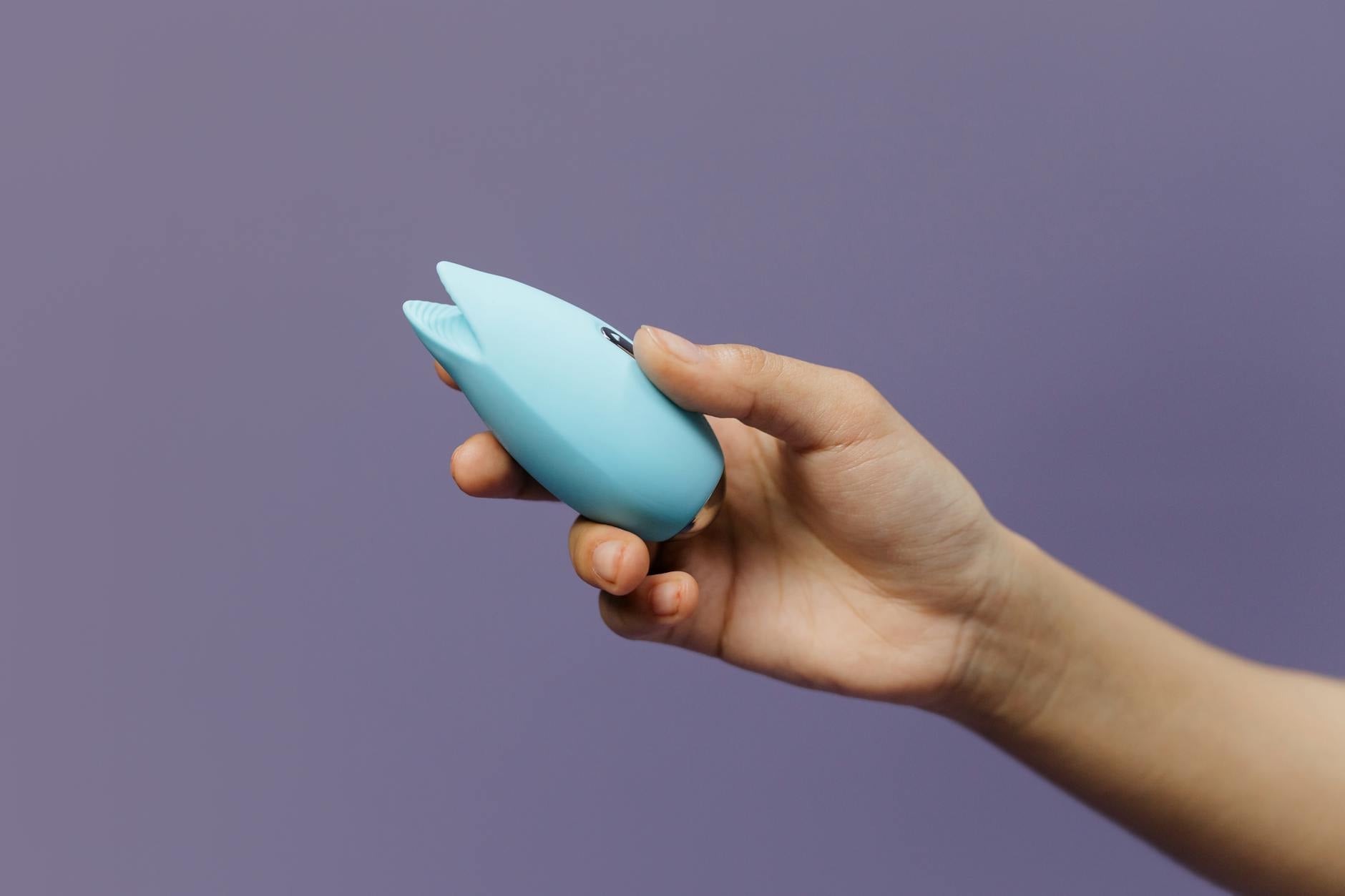
Let's talk about the sensation gap
You're having sex and something's off. The touch that used to light you up feels muted, like you're experiencing it through a layer of gauze. Maybe your partner's doing everything right. Maybe nothing's changed about the relationship. But the feeling itself has gotten quieter, flatter, less there.
This is sensation loss during sex, and it's wildly more common than people admit. Stress, medications, hormonal shifts, dissociation, pelvic floor tension, aging, deconditioning of nerve pathways. The cause changes, but the experience is the same: you're present in the room but absent from the sensation.
The good news is that sensation is recoverable. And one of the most effective ways to reclaim it is to understand how stimulation actually works, and then use a tool designed specifically to bypass the numbness.
Why regular stimulation stops working
Here's the mechanical problem. Conventional vibrators, hands, and penetration create what's called "distributed stimulation." The sensation spreads across an area. When your nervous system is already operating at reduced sensitivity, that spread means nothing reaches the threshold where your brain registers "this feels like something."
Think of it like trying to see a dim lightbulb in a bright room. The light's still on, but the context makes it invisible. Your sensory nerve endings are firing, but the signal isn't loud enough to register as pleasure.
Suction changes that equation. Lemon vibrators use air-pulse technology to create what's called "focal stimulation." Instead of spreading sensation across your whole vulva, suction concentrates pressure into a narrow zone. That concentration creates a much louder signal to your brain. The lightbulb suddenly becomes visible.
What makes lemon clitoral vibrators different
A lemon sucker, or air-pulse vibrator like the Lem, works on a principle that's neurologically distinct from traditional vibration. Instead of the buzzing friction that numbs tissue over time, suction creates a rhythmic pressure wave that penetrates deeper into the clitoral structure.
The clitoris isn't just the visible bump. It's got internal branches that extend inches inside your body. Most vibrators only stimulate the surface. Suction reaches those deeper nerve clusters, and for people experiencing sensation loss, that's the difference between "I feel something" and "I don't feel anything."
Second, suction doesn't numb you out. Traditional vibration creates a phenomenon called "vibration adaptation." Your nerve endings get used to the signal and stop firing as hard. That's why you keep turning up the intensity until your toy is basically trying to shake your whole body. Suction doesn't have that adaptation curve. The sensation stays consistent and responsive for as long as you use it.
Third, lemon vibrators deliver precision without pain. If your tissue is sensitive or thin, intense vibration can feel sharp or abrading. Suction feels like a pressure wave instead of friction. People with low sensation often also have fragile tissue, so tools that avoid mechanical grinding are essential.
How sensation loss actually develops during sex
If you're in a long-term partnership, sensation often fades gradually. The first time you have sex with someone, the novelty and anticipation light up your whole nervous system. That's not just emotional. It's biochemical. Adrenaline, dopamine, and norepinephrine are all elevated. Your body is hyperalert.
After ten years, that neurochemical spike doesn't happen automatically. Your brain has categorized the experience as "known." That's actually protective in most domains. Your nervous system shouldn't stay in high alert for everyday events. But in sex, it means sensation baseline drops.
Antidepressants, birth control, and blood pressure meds all have documented effects on sensation. Some people lose feelings entirely. Others experience a general dulling that makes orgasm harder to achieve or less intense when it comes.
Stress and dissociation create their own numbness. If you're holding tension in your pelvic floor because you're anxious about your body, your job, or your relationship, that tightening actually blocks nerve signals. You can't feel what you can't access.
And sometimes there's no clear cause. After a certain age, or after pregnancy, or just randomly at thirty-five, sensation shifts. It's not pathological. It just requires different strategy.
The setup that actually works
Using a lemon vibrator to restore sensation isn't just about pressing it on and hoping. The context matters as much as the tool.
Start with longer foreplay. I mean twenty to thirty minutes. Your nervous system needs time to wake up. Blood flow has to increase to the vulva. Arousal has to build. Sensation is easier to feel when you're genuinely turned on, not just obliging yourself.
Use lubricant, even if you're not dry. Water-based lube reduces friction and makes suction feel cleaner. It also signals to your body that this is a pleasure activity, not a functional one. That psychological shift matters.
Start on a lower pattern. Lemon clitoral vibrators usually have five to seven intensity patterns. Begin on pattern one or two. Let your tissue warm up to the sensation. You can always increase intensity. You can't undo overstimulation that creates pain or numbness.
Find the angle that works for your anatomy. Some people feel suction most intensely at the base of the clitoral head. Others feel it more on the side. Angle and position change where sensation concentrates. Spend five minutes exploring instead of assuming the dead-center approach is correct.
Keep it focused. Don't circle the whole vulva with the vibrator. Let it sit in one place for thirty to sixty seconds. Feel what's happening. Then move slightly. The static approach lets sensation build without your nervous system having to chase a moving target.
Integrating lemon vibrators into partnered sex
If you're using a lemon sucker with a partner, the integration matters. Some couples worry that adding a toy means something's broken in the relationship. That's backwards. It means you're both invested in pleasure working.
Talk about it first. Not in the moment. Say something like: "I've noticed sex doesn't feel as intense as it used to, and I want to try something that helps me feel more. Will you use this with me?" That framing makes it collaborative, not like you're checking out.
Let your partner hold the vibrator sometimes. For many people, having their partner engaged in bringing them pleasure is itself pleasurable. It signals attention and investment.
Use the vibrator during penetration. Most air-pulse vibrators are designed to stay in place while someone's inside you. That combination often delivers sensation that neither penetration nor vibration alone can achieve. The pressure wave travels differently when there's internal fullness alongside external suction.
Alternatively, use it during foreplay to get you genuinely aroused before penetration. Then the sensitivity you've built stays with you. You're entering sex already in a heightened state, which carries through.
When sensation returns, what to expect
If you've been numb for a while, restoring sensation can feel weird. Your brain has adjusted to the numbness. When feeling comes back, it can sometimes feel like oversensitivity or even discomfort at first.
This is normal. Your nervous system is recalibrating. After a few sessions with the lemon vibrator, that initial overwhelm usually settles into genuine pleasure. Give it three to five uses before deciding if it's working.
You might also notice that sensation returns unevenly. You might feel the left side more than the right, or the visible part more than the deeper internal zones. That's also normal. Nerve recovery isn't symmetrical. Your sensation profile will balance out as you keep using the tool.
Some people find that after a few weeks of using a lemon sucker, they start feeling more sensation from regular touch too. That's the nervous system remembering what pleasure feels like. The pathway gets rewired, not just by the tool, but by your brain's decision to turn the volume back up.
When to see a professional
If sensation loss came on suddenly, or if it's paired with pain, that's worth mentioning to a gynecologist or sex therapist. Sometimes numbness signals a bigger issue. Diabetes can reduce sensation. Hormonal imbalances can too. Post-traumatic responses can create dissociation that blocks feeling.
You don't need to have "permission" to use a lemon vibrator. They're designed for exactly this problem. But if the numbness isn't improving after four or five sessions, or if it's causing distress in your relationship, having a professional perspective helps.
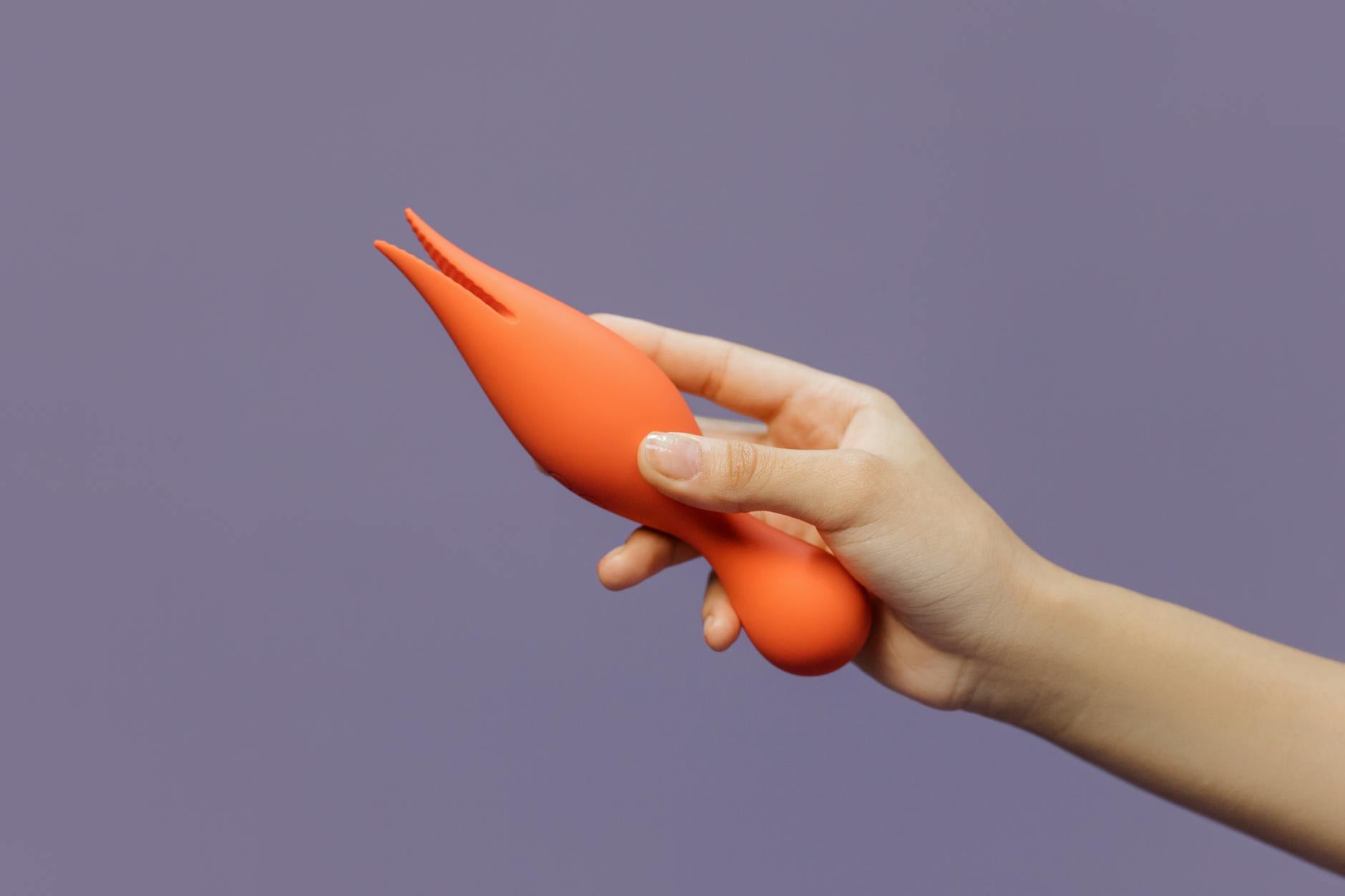
Photo by cottonbro studio on Pexels
The bigger picture
Sensation is learnable. It's not fixed. Your body didn't lose the capacity to feel. It lost the signal, or the pathway, or the context. A tool that bypasses the numbness and creates sensation that's loud enough for your brain to hear again can genuinely change how sex feels.
Lemon clitoral vibrators exist because this problem is common enough that it needed a specific solution. You're not broken. Your hardware is fine. You just needed a different frequency.
People also ask
How long does it take to feel sensation come back with a lemon vibrator?
Most people report noticeable changes within three to five uses. That's usually one to two weeks if you're using it a couple times a week. That said, if your sensation loss is linked to medication or hormonal changes, the recovery timeline might be longer. Stay consistent for at least a month before deciding if it's working. Your nervous system needs repetition to remember that pleasure is possible.
Can I use a lemon sucker if I have a history of sexual trauma?
Yes, but with care. Numbness is actually a protective response sometimes. Your nervous system shut off sensation to survive something. Slowly reintroducing sensation with a tool you control the intensity of is often gentler than other approaches. Start with the lowest settings and work in a quiet, safe environment where you can stop immediately if anything feels overwhelming. Working with a trauma-informed sex therapist alongside tool use is often ideal.
Do lemon vibrators work the same way for everyone?
Not exactly. Sensation loss has different causes, and different anatomies respond to suction in slightly different ways. Some people feel suction most intensely at specific angles or positions. Some need more time to warm up than others. The pattern that works for your best friend might not be your ideal pattern. Budget five to ten minutes to explore instead of assuming the default approach is right for you.
If I use a lemon clitoral vibrator regularly, will I become dependent on it for sensation?
This is a common worry and mostly unfounded. Suction doesn't numb the same way traditional vibration can. You won't develop tolerance where you need higher and higher intensity. If anything, regular use of a lemon vibrator often increases your baseline sensation during partnered sex too. Your nervous system remembers what pleasure feels like and starts delivering that signal more readily on its own.
Should I tell my partner I'm using a vibrator to restore sensation?
That depends on your relationship dynamic and whether you want to use it with your partner. If you're exploring solo, that's entirely private. If you're using it during partnered sex, openness usually strengthens the experience and the relationship. A simple "I've noticed sensation feels muted and I want to try something that helps" opens the door to collaboration. Most partners appreciate the directness because it reframes the vibrator as something you're doing together, not something that's replacing them.
Can I use my lemon vibrator during penetration?
Absolutely. Most lemon suckers are designed to hold position during penetration. The combination of internal fullness and external suction often delivers sensation that either alone can't provide. Start with your partner inside you at a comfortable pace, then apply the vibrator to the external tissue. Experiment with patterns and angles. The sensation will be different from using either solo, and many people find that difference is exactly what cuts through numbness.
Your next step
Sensation loss during sex is fixable, and a lemon vibrator is often the most direct route back. The key is treating it as a tool for reconnection, not a replacement or a band-aid. Use it intentionally, give yourself time to adjust, and notice what changes.
If you have questions about which tool is right for your body, or if you want support thinking through what numbness might mean in your relationship, reach out. That's what we're here for.
Contact us to talk through your specific situation.