The slower-burn reality of new relationships
Let's be real: the first time with someone new isn't usually the movie version. Your body feels watched. Your mind is partly in the moment and partly narrating what's happening. You're checking in with yourself about comfort, about them, about whether this is actually what you want right now. That's not a problem. That's being present.
But here's what I see in my practice: people often interpret their own slower arousal in a new relationship as a sign something's wrong. Wrong body. Wrong chemistry. Wrong person. Usually it's none of those things. It's just that genuine arousal takes time when you're negotiating trust with someone new.
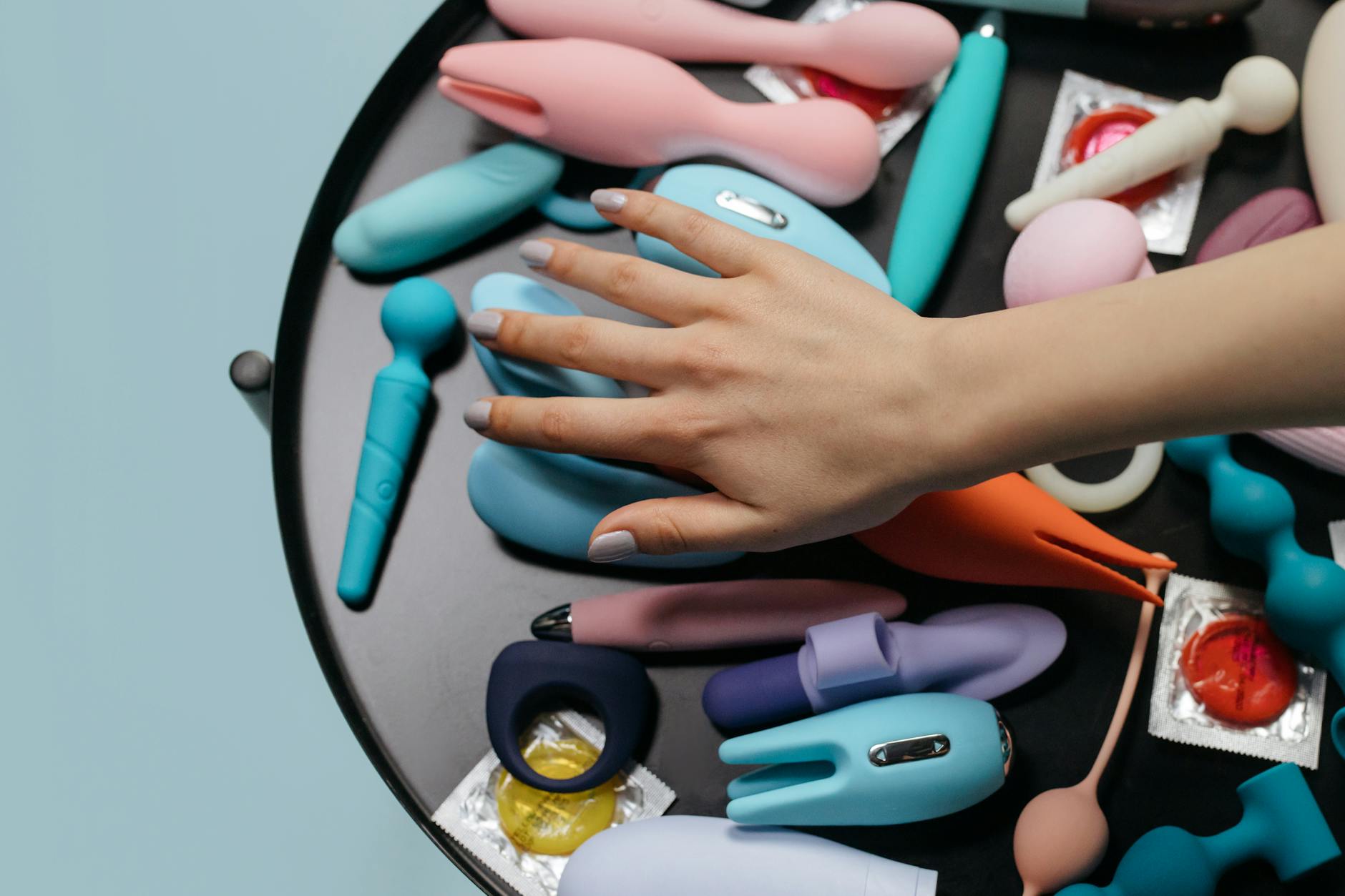
Lemon vibrators, especially air suction tools like the Lem, change the equation. They let you build arousal on your timeline, with or without your partner actively involved, which paradoxically makes partnered sex better because there's less pressure and more actual connection.
Why new relationships genuinely do change arousal
When you've been with someone for years, your nervous system knows them. Your body has a shortcut. With a new partner, every sensation is new data your brain has to process. Are they safe? Do they understand my body? Will they judge me? These aren't anxieties to overcome with willpower. They're legitimate information processing.
Additionally, you might be different ages, have different bodies, different arousal patterns. The things that worked with your ex might not work the same way here. And that's actually fine. It just means you need more exploration time before your body fully relaxes into that new chemistry.
One more thing: novelty anxiety is real. Your body might be less responsive at first because it's in mild fight-or-flight mode, especially if the new relationship comes after a breakup, a long period solo, or a major life change. A slower arousal curve doesn't mean less passion. It usually means more consciousness.
The air suction advantage for new partner scenarios
Here's what makes lemon suction vibrators different from traditional vibration: they stimulate clitoral nerves without requiring the same level of direct friction or responsiveness from your body. That matters when you're new to someone and your nervous system is still calibrating.
With a traditional vibrator, if you're not already somewhat aroused, stimulation can feel numb or even uncomfortable. You have to be ready first. With air suction tools like the Lem vibrator, the gentle pressure creates sensation even when arousal is still building. Your body doesn't have to meet the toy halfway. The toy meets your body where it actually is.
This means you can use it solo before a date or encounter, which serves two purposes. First, you get to know how your body responds in that particular moment, with that particular person on your mind. Second, you arrive already a little aroused, which takes the performance pressure off. You're not trying to get turned on from zero. You're already warm.
Solo warm-up before partnered time
Here's the rhythm I suggest for new relationships: fifteen to twenty minutes alone with your lemon clitoral vibrator, maybe the night before or an hour before you're seeing them. Not to rush into orgasm. Not as a checklist item. Just to wake your body up and remind yourself what feels good.
Start with the Lem on its lowest pattern. Let it work slowly. Think about what you like about this person. Not pressure to perform for them, but actual thoughts about attraction, humor, the way they listen. Notice what your body does with that combination of attention and gentle stimulation.
If you get to an orgasm, great. If you don't, also great. The point is that when you're with them later, your nervous system is already online. You're not asking your body to go from zero to sixty in the first five minutes. You're already at twenty or thirty. That changes everything about how you experience what happens next.
Using lemon vibrators together without it feeling like a workaround
There's a weird shame some people carry about bringing toys into new relationships. Like it's an admission of inadequacy. It's not. It's an invitation. It says, "Here's something that helps my body work better. I want to share that with you."
With a new partner, you might introduce it as, "I like using this when I'm warming up. Would you want to be here while I do that?" Or even simpler: "I have a toy I use. Want to see what I like?" No performance framing. Just information.
Some partners will want to hold it for you. Some will want to use it alongside their own touch. Some will just watch, which is its own kind of intimate. The lemon sucker design is visual, which actually helps. It's not hidden away. There's nothing to be coy about.
The Lem's air suction pattern is also gentler to observe than intense vibration. There's something almost meditative about watching someone explore their own body with that kind of slow, building stimulation. It tends to slow both of you down rather than amp up performance pressure.
Communication patterns that actually help
The biggest mistake I see is people assuming they need to have the whole conversation about pleasure and arousal all at once. You don't. You can have it in pieces, in the moment.
"I'm aroused but taking my time, which is normal for me in new relationships." That's enough information. "I like it when you slow down here." "I want to use my vibrator for a bit." "This is feeling really good." These are single-sentence check-ins that keep you both connected without turning sex into a clinical debrief.
If you're using a lemon clitoral vibrator with them, you might say, "I want to use this because it helps me get really turned on," not because they've failed to turn you on. The distinction is subtle but important. You're not adding something because they're not enough. You're adding something because you know what your body needs and you want to share that knowledge.
What slow arousal actually looks like with tools
Don't expect that adding a toy automatically means faster arousal. Slow arousal with good communication and tools just means better arousal. It means you're more present instead of performing. It means you're actually noticing what feels good instead of waiting for the moment to feel good.
You might find that with the right toy and the right partner, you need less time than you thought. Or you might find that you like taking longer. Both are data. Both are yours to have.
The other thing that changes: you stop resenting the slow buildup. You stop interpreting it as proof of the relationship being wrong. Instead, you get to experience slow as what it actually is, which is intimate, generative, and often more satisfying than fast arousal ever was.
The longer game
One of my favorite observations from working with couples: people who build pleasure slowly in new relationships often end up with deeper sexual connection long-term. Not because they started with a toy, but because they started by actually paying attention to what they wanted.
When you use a lemon vibrator in the early phase of a new relationship, you're not just getting turned on. You're getting comfortable asking for what you need. You're practicing telling your partner about your body. You're normalizing the idea that pleasure is something you both actively build together.
That foundation makes everything that comes later easier. Not just the sex. The communication. The vulnerability. The actual intimacy.
Frequently asked questions
Can I use a lemon vibrator if I'm nervous about a new partner seeing me use it?
Start solo, absolutely. Use it alone for a few weeks or months until you feel settled about it. Then, when you're ready, introduce the idea casually. "I have something I use that helps me relax." Most people respond with curiosity or neutrality, not judgment. If someone's uncomfortable with you having tools for your own pleasure, that's information about whether this person is right for you.
What if my new partner wants to move faster than I do arousal-wise?
That's a real compatibility conversation. You can say, "I warm up slowly, and that's not something that changes. I can tell you like to move faster, so how do we meet in the middle?" The answer might be that they warm you up with other things while you use your toy. Or that you use the toy beforehand. Or that you're just fundamentally mismatched in rhythm, which is also useful to know early.
Does using a toy before seeing someone new mean they'll feel like they're in competition with it?
Not if you frame it clearly. "I'm using this because I want to feel good when I'm with you" is the opposite of competition. It's investment. It's saying, "Your time with me matters enough that I'm preparing for it."
How do I talk about slow arousal without it sounding like I'm making excuses?
Don't frame it as a problem. Frame it as information. "I take time to warm up, especially with someone new" is just a fact about your body. It's not an apology. It's not a barrier. It's just true, and someone who cares about your pleasure will work with that truth.
Is it normal that I don't want to orgasm with a new partner yet, even if I'm aroused?
Completely normal. Arousal and orgasm aren't the same thing. You can be turned on and not ready for that final release with someone new. Your body's protecting something. That's wisdom, not dysfunction. The lemon sucker design means you can explore arousal without pressure to finish, which is perfect for this phase.
Can air suction vibrators actually help build arousal or do they just speed things up?
They can genuinely help build arousal because they work with your nervous system instead of against it. When your body is new to someone, gentler sustained stimulation often works better than intense vibration. The Lem's pattern creates a building sensation rather than a jolt, which helps slower arousal actually progress instead of plateau.
The bigger picture
New relationships come with real nervous system shifts. Your body is literally in a different state than it is with long-term partners. That's not failure. That's being human. Lemon vibrators and other clitoral vibrators aren't workarounds for broken arousal. They're tools that help your body relax into genuine pleasure with someone new, at a pace that actually works for you.
When you stop fighting your own arousal curve and start working with it, everything changes. Your partner feels more present because you're more present. You feel more connected because you're less in your head checking boxes. And you get to build something that actually lasts because it was built on honesty instead of performance.
If you're navigating this phase of a new relationship and feeling stuck or uncertain, that's what we're here for. Reach out to talk through what might help.
References:
- Taormino, T. (2018). "The Ultimate Guide to Sex and Disability." Cleis Press. (Research on pleasure adaptation and new relationships)
- Nagoski, E. (2015). "Come As You Are." Scribner. (Nervous system response to new partners and arousal variables)
- Perel, E. (2018). "The State of Affairs." Harper. (Early relationship attachment and intimacy patterns)