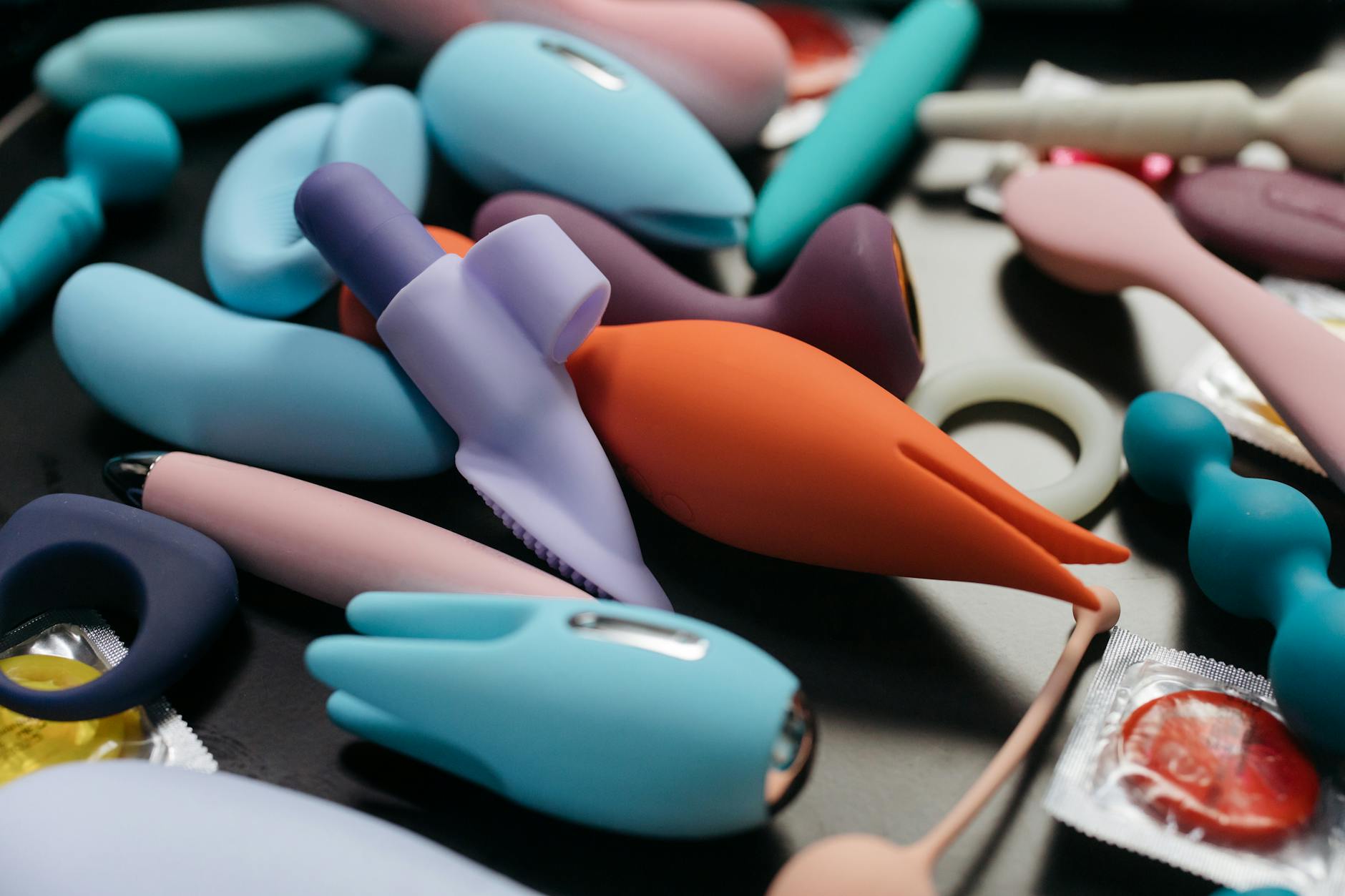
Let's talk about what surgery actually does to sensation
You went into the operating room with a body that felt like yours. You came out with nerves that are swollen, tissue that's traumatized, and a healing process that nobody really explains clearly. Hysterectomy, fibroid removal, endometriosis excision, or any gynecological procedure creates inflammation and nerve irritation that can last weeks or months. Sensation doesn't come back overnight, and trying to force pleasure while you're still healing can actually set you backward.
Here's the thing: your capacity for pleasure didn't disappear. It's just temporarily disconnected. The nerves are still there. Your brain is still there. What changed is the signaling between them, and that takes time to rebuild. Most people aren't told this, so they panic and assume they're broken. They're not.
Why sensation feels weird or absent after surgery
Surgery is controlled trauma. Your surgeon cuts through tissue, moves organs, ties off blood vessels, and closes everything back up. In the process, nerves get stretched, bruised, or sometimes cut entirely. Swelling is intense in the first few weeks and then gradually resolves over months. Scar tissue forms and can initially block sensation.
Add to that the psychological component. Your brain learned to protect that area. Fear, trauma from the surgery itself, and the anxiety of not knowing if you'll feel normal again all create neural pathways that suppress sensation as a survival mechanism. This is completely normal and it's also reversible.
The timeline varies wildly. Some people notice sensitivity returning within weeks. Others take three to six months. A small percentage deals with longer-term changes in sensation or arousal. But across the board, gentle, consistent, low-pressure stimulation tends to help rewire those neural pathways faster than aggressive stimulation or trying to force sensation before the healing window is open.
When it's actually safe to start using a clitoral vibrator
Your surgeon gave you a clearance date. Probably something like "no penetration for six weeks" or "wait until you're cleared for exercise." That clearance is about wound healing and infection prevention. It is not a green light for jumping back into what felt good before surgery.
Most surgeons clear you for external stimulation (clitoral stimulation, not penetrative) around week four to six, depending on the surgery. But cleared and comfortable are two different things. Here's what I recommend: get your surgeon's explicit yes first, then give yourself another two to three weeks of observation before introducing a tool like a lemon clitoral vibrator.
Why? Because in those early weeks, your job is noticing. Touching your vulva gently. Seeing what you can feel. Building trust with your own body again. A vibrator adds sensation input that might be too much, too soon. It's not forbidden. It's just premature.
Once you're past week eight or so, and your surgeon has confirmed healing is on track, then tools become genuinely helpful.
How to start with a lemon vibrator when sensation feels flat or numb
A lemon clitoral vibrator works differently than traditional vibrators. Instead of pure vibration, the Lem uses gentle suction that creates a different type of stimulation. That matters hugely for post-surgical recovery because suction is gentler than percussion. It doesn't jar traumatized tissue. It doesn't overstimulate numb nerves.
Start at the lowest setting. Set a timer for five minutes. This isn't about orgasm. It's about waking up the neural pathways.
Lie down flat or propped up with a pillow. Create zero pressure on your lower abdomen or surgical site. Direct the stimulation to the clitoral area only, nowhere near internal tissue or scars. If you have a partner, they can be in the room for emotional support, but this is your exploration. Your timing. Your pace.
Don't expect to feel much at first. You might feel a gentle suction sensation. You might feel numbness that slowly becomes tingling. You might feel nothing for a few minutes and then a weird buzzing feeling. All of this is normal. The nerves are waking up.
Stop after five minutes. Note what you felt. The next day, you can try again or take a break. There's no rule that says you need to do this daily. Two or three times a week is enough to signal your nervous system that this area is safe again.
Building back to partnered pleasure
If you have a partner, they need to understand that your body changed and not in a bad way. Different, not less. For the first month or two after surgery clearance, partnered intimacy means touch that doesn't have an agenda. This is where lemon vibrators can actually help couples. Your partner can be in the room while you explore with the Lem. They can see that sensation is returning. They can feel less anxious about "doing it wrong."
When you do move toward partnered pleasure again, external stimulation with a lemon clitoral vibrator is your best bet for at least the first couple of months. It gives you control, lets your partner be present without pressure, and removes the uncertainty of whether internal sensation is ready.
Talk before touching. Say what you're okay with and what you're not. "I want you to hold me while I use the vibrator" or "I want solo time with this for now" are both legitimate answers. Your body gets to decide the pace, not your timeline or your partner's hope.
Scar tissue and sensation: what helps, what doesn't
Scar tissue forms as part of normal healing, but scar tissue isn't as sensitive as original tissue. If your surgery involved surface scarring or if you have visible scars around the surgical site, sensation in that exact area might never feel identical to pre-surgery. This is worth knowing upfront.
What you can do: pelvic floor physical therapy. A pelvic PT can help break up scar tissue adhesions through manual work and teach you how to mobilize the area gently. This actually improves sensation in ways that vibrators alone cannot.
What doesn't help: aggressive stimulation, trying to "work through" numbness, or assuming numbness is permanent. Patience and consistency, combined with professional support, works better than all the vibrators in the world.
That said, consistent gentle stimulation does help rebuild neural pathways. The lemon vibrator isn't a miracle tool. It's part of a three-pronged approach: professional pelvic floor work, patient self-exploration, and time.
When to check in with your doctor
If sensation hasn't shifted at all by four months post-surgery, mention it to your surgeon or ask for a pelvic PT referral. If you're experiencing sharp pain (not just discomfort, but actual pain) when you try external stimulation, stop and check with your care team.
If numbness is accompanied by tingling, burning, or shooting pain that radiates down your leg, that's a different problem and needs medical attention. You're not failing. You're observing and reporting.
Most sensation issues resolve without intervention. But early intervention by a PT can actually speed that timeline and improve the outcome. Don't wait months hoping it'll get better on its own if professional support is available.
The mental game matters as much as the physical one
Your brain learned that your vulva is a danger zone. Surgery hammered that lesson home. Rewiring that takes repetition and safety. Every time you touch your vulva gently and nothing bad happens, you're updating that neural map. Every time you use a lemon vibrator and feel something pleasant return, you're saying to your nervous system: "This area is healing. It's okay to feel again."
This is why pressure and forcing it backward. You can't think your way into sensation. You also can't will your way past trauma. What you can do is show your body through repeated, gentle, safe experience that pleasure is possible again. The Lem becomes a tool in that conversation.
If you're wrestling with anxiety around sexuality after surgery, that's also worth naming with a therapist or counselor alongside the physical recovery. The physical and emotional are braided together.
Give yourself permission to grieve what changed
Your body isn't the same as it was pre-surgery. That's real and it deserves acknowledgment. Some sensation might be permanently different. You might have scarring. The experience of pleasure might have shifted.
And here's the other part: countless people say that reclaiming sensation after surgery felt like discovering pleasure for the first time. Slower. More deliberate. More conscious. They needed fewer props, less stimulation overall, because they were actually present for it.
Surgery is an ending. It's also a beginning. The lemon clitoral vibrators and all the tools and all the patience are really about one thing: giving yourself permission to explore what comes next.
People also ask
How long after surgery can I use a lemon vibrator safely?
Wait for your surgeon's clearance on external stimulation, usually four to six weeks depending on the procedure. Then give yourself another two to three weeks of gentle self-touch before introducing a vibrator. Consensus typically puts "safe to try" around weeks eight to ten post-op, but listen to your body over a timeline.
Will a lemon vibrator feel different on numbed or sensitive tissue?
Yes. Numbness might mean you feel suction but no pleasure sensation at first. Oversensitivity might mean even the lowest setting feels too intense. Start with the lowest setting, keep sessions short, and stop if you feel pain. As nerves heal, sensitivity will normalize and sensation will return.
Should I use a vibrator alone or with my partner after surgery?
Neither is wrong. Solo exploration gives you complete control and removes performance pressure. Partner presence can be emotionally supportive if you both agree beforehand. Many people find a mix works best: some solo sessions to notice what's happening in their own body, plus some partnered sessions where the partner is present but the person with the vulva directs the experience.
Can using a lemon vibrator help with scar tissue sensitivity?
Gently stimulating the area can help rewire neural pathways, but scar tissue itself doesn't become less scarred through vibration alone. Pelvic floor physical therapy is more effective at breaking up adhesions and improving sensation in scarred tissue. A vibrator complements PT. It doesn't replace it.
What if sensation doesn't come back after months?
Mention it to your surgeon or pelvic PT at the four-month mark. Some nerves take longer to heal. Some permanent changes in sensation are normal depending on the surgery. Early professional evaluation helps distinguish between "still healing" and "needs intervention." Don't wait a year hoping it resolves.
Is it normal to feel anxious or triggered using a vibrator after surgery?
Completely normal. Your nervous system is in protection mode. If you're experiencing anxiety, try shorter sessions, or take a break and return after a few weeks. If anxiety is intense, working with a sex-positive therapist alongside physical recovery helps rewire the trauma response.
The path forward
Surgery changed your body. That doesn't change your right to pleasure or your capacity to feel it. Sensation returns on its own timeline, and tools like a lemon clitoral vibrator can speed that process if you use them gently and patiently.
Start slow. Listen to what your body is telling you. Get professional support if recovery stalls. And remember that reclaiming sensation isn't about getting back to what was. It's about discovering what's possible now.
If you're navigating recovery and want to talk through what's normal or how to move forward with a partner, reach out to us. We're here for the questions surgery doesn't answer.