
Let's talk about what nobody mentions at the gynaecologist's office
Vaginal atrophy is real. It's not in your head, it's not something you have to accept quietly, and it's not the end of pleasure. But it does change how your body responds to stimulation, which means the approach that worked five years ago might not work now. The good news: lemon clitoral vibrators are specifically designed for bodies dealing with exactly this shift.
Here's what's happening physiologically, and more importantly, what you can actually do about it.
What vaginal atrophy actually is
Vaginal atrophy, more properly called genitourinary syndrome of menopause (GSM), happens when estrogen drops. This causes vaginal tissues to become thinner, drier, and less elastic. The vaginal walls lose their normal thickness, lubrication decreases, and the whole area becomes more sensitive to friction and pressure.
But here's the part that matters for pleasure: this doesn't touch your clitoral nerves the same way. Your clitoris has its own nerve supply. It doesn't thin the same way. Which means sensation is still there.it's just being blocked by discomfort, dryness, or the anxiety that comes from knowing touch might hurt.
That anxiety piece is real. Once you've had painful intercourse a few times, your nervous system learns to tighten up before anything even happens. Your pelvic floor contracts preemptively. Which makes everything worse.
Why lemon clitoral vibrators change the game
Lemon vibrators use suction and gentle pulsation instead of direct friction. This matters enormously when tissues are thinned and sensitive. Here's why.
Direct pressure can feel raw or overstimulating on atrophied tissue. Suction creates a sealed microclimate that draws blood to the area, increases sensitivity through gentle pressure rather than friction, and works with your body's natural response cycle instead of fighting it. The lemon sucker design means you're not rubbing against anything. You're creating gentle, rhythmic stimulation that feels totally different from what your body might have rejected.
This is especially true for the lem vibrator and similar lemon sexual toys from Mylem Official. The way these devices are engineered means you can start low, go slow, and actually feel sensation building instead of feeling pressure or discomfort.
How to actually use a lemon vibrator when atrophy is happening
Four shifts from what you might have done before.
Start with water-based lubricant every single time. Not because your body is broken, but because thinner tissue needs it. Apply it generously to the external area before you even turn the device on. Let it sit for a minute. Your nervous system needs to register that this is safe touch.
Begin at the lowest setting and stay there for at least five minutes. This isn't foreplay speed. This is sensation-building speed. Let your body's blood flow respond. You'll actually feel the tissue engorge and sensitivity increase as you spend time here. Most people rush past this phase. Don't.
Position the lemon vibrator so the seal covers the entire clitoral area. The point is the suction effect, which requires a good seal. This also means you're distributing stimulation across a wider area instead of concentrating pressure on one nerve bundle. It feels gentler and often produces more intense sensation because it's working with your anatomy instead of against it.
Use a pattern, not a constant buzz. Most lemon clitoral vibrators have rhythm options. Patterns work better than constant stimulation for atrophied tissue because they give the nerves time to reset between pulses. This is why suction-based toys often work better than traditional vibrators for this situation.
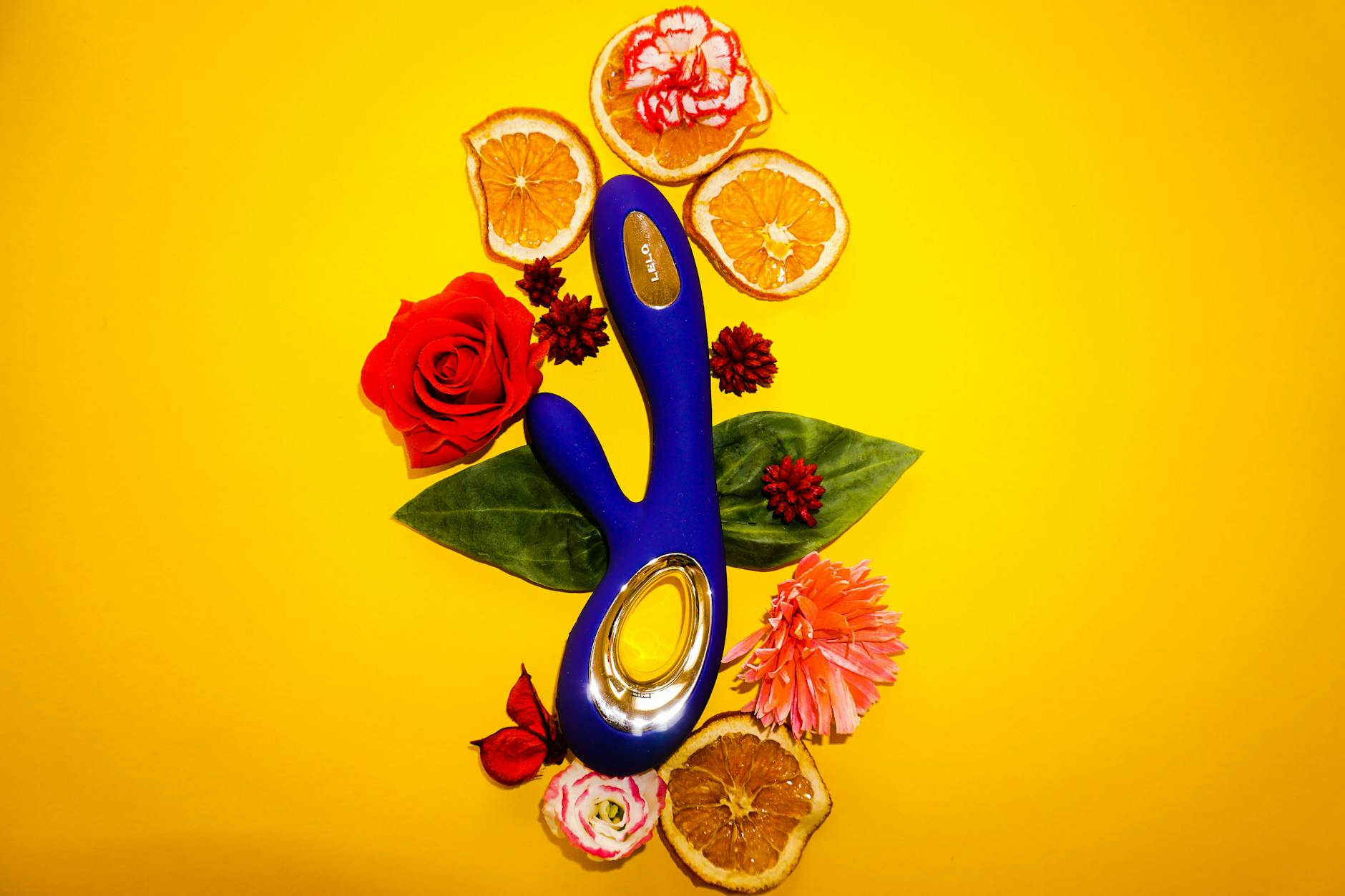
Photo by DRT.fm on Pexels
The connection between atrophy and arousal time
Here's something they don't teach you: vaginal atrophy almost always means arousal takes longer. This isn't psychological. Thin tissue needs more time to engorge and lubricate. Your nervous system also learned to expect discomfort, so there's a mental brake running too.
Budget 15 to 25 minutes. Spend the first five to ten minutes with the lemon vibrator on low, just getting your body used to sensation and safe touch. Spend the next five to ten gradually building intensity. This isn't wasted time. This is your body remembering that pleasure is possible.
Many people find that when they stop rushing, sensation actually becomes more intense, not less. Your nervous system stops bracing and starts responding.
When to combine vibration with other tools
If atrophy is significant, combining strategies works better than any one tool alone.
Topical estrogen cream (applied to the vaginal area a few times per week) rebuilds tissue over two to four weeks. It has minimal systemic absorption, meaning it stays local and doesn't affect your whole body. Once tissue starts recovering, sensation often improves dramatically. Then adding a lemon vibrator becomes about pleasure, not compensation.
Pelvic floor physical therapy is also worth exploring. A PT can teach you to release tension that's been building as a protective response to discomfort. Tight pelvic floor muscles make everything feel worse. Learning to actively relax them changes the experience.
You can do all three: topical cream, pelvic floor release, and using your lemon clitoral vibrator gradually and patiently.
The mental piece that changes everything
Vaginal atrophy often comes with grief. Grief for sensation that changed, for ease that's gone, for the body you used to have. This is legitimate. It also gets in the way of pleasure if you let it become the whole story.
One shift that helps: separate "my body is different" from "my body is broken." Different is true. Broken is usually not. Your clitoris still works. Sensation is still there. The pathway to feeling it is just different now.
When you're using a lemon vibrator or any lemon sexual toy from Mylem Official, you're not trying to recreate what used to happen. You're exploring what's possible now. That reframe alone changes the experience. You stop performing an old version of pleasure and start discovering a new one.

Photo by cottonbro studio on Pexels
When to talk to a doctor
If pain is part of the experience during or after use, that's worth mentioning to a gynaecologist who specializes in menopause or sexual health. You're not complaining about nothing. You're describing a treatable symptom. Topical estrogen, systemic hormone therapy, or vaginal moisturizers (different from lubricant. they're used daily, not just during sex) all help.
If you've tried the patience approach, the lube approach, and lower intensity, and sensation is still completely absent, testosterone therapy is worth discussing. It's prescribed more cautiously in some regions, but it genuinely increases clitoral sensitivity and desire for people whose hormones have shifted dramatically.
You deserve to feel pleasure. Atrophy is one obstacle. It's not permanent, and it's not a reason to stop trying.
The long-term reality
Vaginal atrophy doesn't mean your sexual years are behind you. Plenty of people report that once they've navigated this transition with good information and the right tools, sex becomes more intense and more focused on what actually works rather than what's supposed to work.
Using a lemon clitoral vibrator during this phase does two things. It gives your body immediate pleasure and sensation, which your nervous system desperately needs. And it teaches you what works now, so you stop reaching for techniques that don't fit your current body.
That knowledge is gold. That's the real shift.
People Also Ask
Can I use a regular vibrator if I have vaginal atrophy?
You can, but suction-based vibrators like lemon clitoral vibrators often work better. The reason: direct friction on thinned tissue can feel raw or overstimulating. Suction creates a sealed microclimate that draws blood to the area and distributes stimulation more gently. If you try a regular vibrator and it hurts or feels uncomfortable, switch to a lemon sucker design. Your comfort matters more than what you think you should be using.
How long does it take to feel sensation again with a lemon vibrator?
Sensation often improves within one to three sessions because increased blood flow helps. But real recovery usually takes weeks to months, especially if you're also using topical estrogen or other treatments. The lemon vibrator helps you feel something immediately. The deeper tissue recovery takes longer. Both are worth it.
Is vaginal atrophy permanent?
No. Topical estrogen, systemic hormone therapy, and regular sexual activity (including vibrator use) all help rebuild tissue and sensation. Some people need ongoing treatment. Others find that once tissue starts recovering, maintaining regular sexual activity keeps things healthy. Talk to your doctor about what makes sense for your body.
Should I use lubricant every time with a lemon vibrator?
Yes, always. Even if you're producing some natural lubrication, additional water-based lube makes everything feel better and protects thinned tissue. It's not a sign of failure. It's a tool that helps your body respond. Generously apply it before you start and reapply if things start to feel dry during use.
Can pelvic floor tension make atrophy feel worse?
Absolutely. When tissues are thinned and sensitive, tight pelvic floor muscles amplify discomfort and block sensation. Pelvic floor physical therapy teaches you to release that tension. Many people find that releasing pelvic floor tightness changes the experience more than anything else. It's worth exploring.
Does using a lemon vibrator help atrophy improve faster?
Indirectly, yes. Regular sexual activity increases blood flow and stimulates tissue, which supports healing. Using a lemon clitoral vibrator means you're getting that benefit without pain. The combination of gentle stimulation plus any medical treatment you're doing (like topical estrogen) creates the best outcome.
The bottom line
Vaginal atrophy shifts how your body responds to touch. It doesn't end pleasure. A lemon vibrator from Mylem Official works with your body's current reality instead of fighting it. Suction, patience, lube, and time do the work. Your clitoris is still there. Sensation is still possible. You just need to approach it differently than before.
If you have questions about what's normal or what to expect, reach out. That's what we're here for.