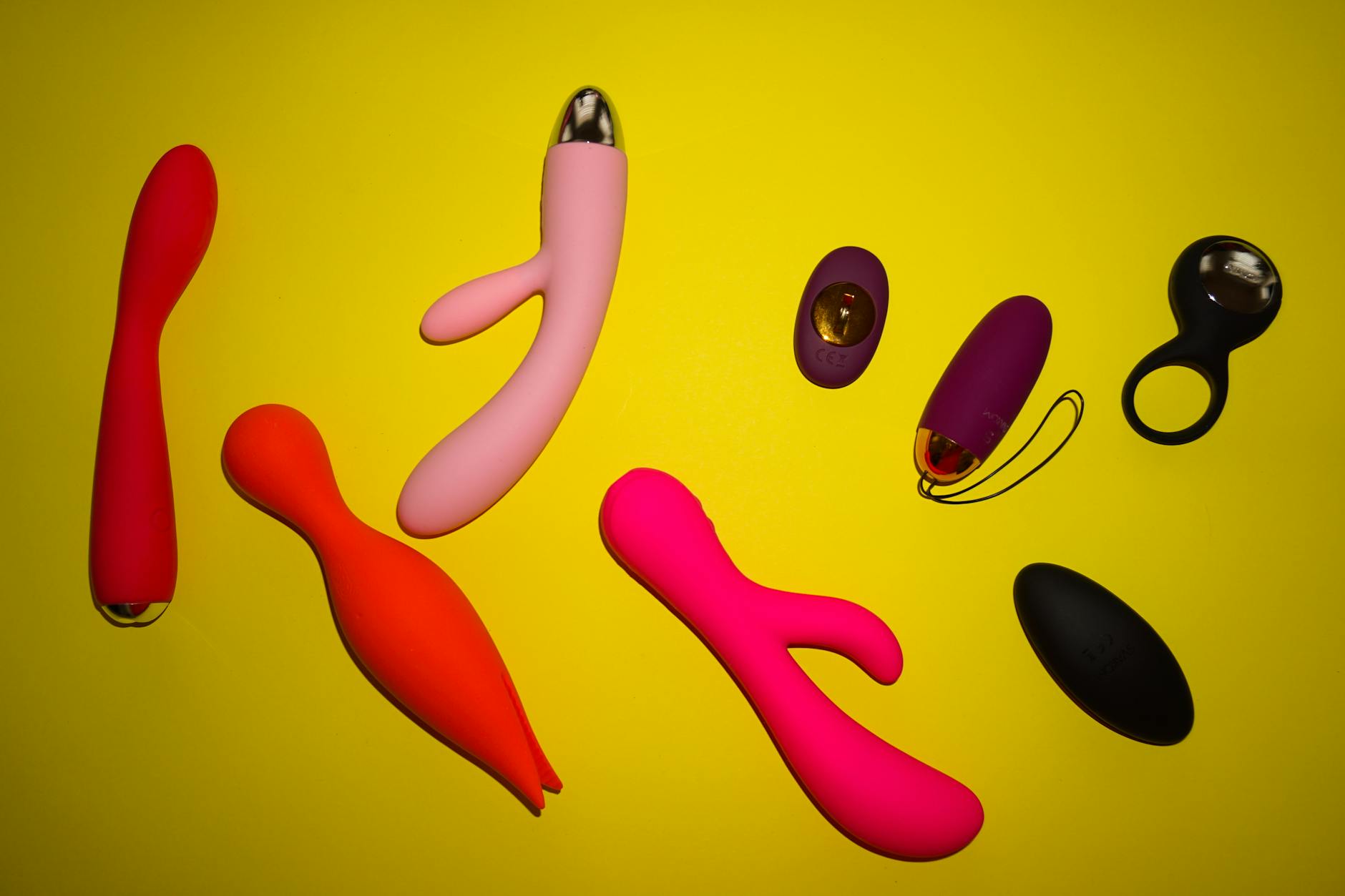
Let's talk about the gap nobody mentions
You're cleared for exercise. You're cleared to return to work. But nobody hands you a timeline for pleasure. That gap between medical clearance and actually feeling ready to experience sensation again is where most people get stuck. Surgery disrupts the nervous system in ways that extend way beyond the incision.
Whether it's gynecological surgery, abdominal work, or something that affects your pelvic floor indirectly, your body needs a framework for reintroduction to stimulation. Lemon vibrators, particularly their suction-based approach, can be part of that framework. But the key is understanding when and how your nervous system is ready to receive that sensation again.
How surgery actually changes sensation
Here's what happens biologically. Surgical trauma triggers inflammation and swelling that extends beyond what you see on the surface. Nerves get irritated. Your brain downregulates pleasure signals as a protective mechanism. This isn't weakness. It's your nervous system doing exactly what it's supposed to do: prioritize healing over sensation.
The timeline varies wildly depending on the surgery type. A laparoscopic procedure affecting the ovaries or fallopian tubes carries different nerve disruption than a cesarean or abdominal hysterectomy. Pelvic floor repair work means scar tissue can interfere with nerve signaling for months. Even vaginoplasty, which directly involves pleasure tissue, requires patience that extends past the standard six-week medical clearance.
What makes recovery harder: your body didn't choose to stop feeling pleasure. You didn't want reduced sensation. So there's often grief layered under the physical healing, and that grief makes it tempting to push sensation recovery faster than your nervous system is ready for.
The first month after clearance (what actually matters)
Most surgeons clear you for sexual activity at six weeks. This is a liability timeline, not a pleasure timeline. Medical clearance means your incisions are stable enough that you won't tear open. It does not mean your nervous system has recalibrated.
In that first month after clearance, your job is not pleasure. Your job is recalibration. You're teaching your nervous system that sensation is safe again.
Start with non-sexual touch. Your own hands. Your partner's hands. No vibration yet. No pressure. Just presence. The goal is for your nervous system to remember that touch doesn't mean pain.
This feels like nothing when you compare it to pre-surgery sensation. That's intentional. You're rebuilding a signal pathway that's currently dormant or irritable. Pushing too fast rewires it back toward pain and avoidance.
When lemon vibrators actually help (the timeline)
After about four to six weeks of gentle reintroduction touch, your nervous system usually starts to wake up. This is when a lemon clitoral vibrator enters the picture usefully.
Here's why they're particularly helpful: their suction mechanism doesn't require direct sustained pressure the way traditional vibrators do. If you're dealing with scar tissue sensitivity or general pelvic floor irritability, that suction creates stimulation without friction. You're not dragging sensation over healing tissue. You're using a gentler pull that activates nerve pathways without triggering protection patterns.
Start with the Lem on pattern 1 or 2. Not because you're broken, but because your nervous system has been offline. Low intensity means your brain registers pleasure without becoming overwhelmed. Overwhelm triggers your nervous system back into protection mode.
Session structure matters more than anything else. Spend 5 to 10 minutes on the lowest pattern. If sensation is building and feel good, you can stay there. If you hit a wall where it stops feeling good, stop. This isn't failure. Your nervous system just told you its limit for today. Respect it.
Managing scar tissue and sensitivity
Many post-surgical people report that even light touch near the surgery site triggers discomfort. This is scar tissue being protective, not the tissue itself being damaged.
Water-based lubricant helps here significantly. It reduces friction without adding sensation intensity. Use it generously, especially if your surgery involved internal work.
If you're using a lemon vibrator and find that scar tissue near the incision or the pelvic floor itself is irritable, focus stimulation away from that area initially. You don't need to touch the scar tissue with your toy. Your clitoris extends internally, and a lemon vibrator's suction creates sensation throughout the network, not just where you place it.
Over time, as scar tissue softens and your nervous system builds confidence that touch is safe, sensation usually spreads. But there's no point forcing it. Your body's protective response is not an obstacle. It's information.
Communication with your partner during recovery
If you have a partner, the conversation is worth naming explicitly: "This isn't about you. My pleasure recovery is slow because my nervous system needs time."
Partners often interpret reduced sensation as reduced desire for them. It almost never is. You might be intensely attracted to your partner while your body is still months away from orgasmic sensation. These exist in different systems.
Many recovering people find it helpful to separate partnered touch from solo exploration during the healing phase. Your nervous system sometimes needs to rebuild sensation in privacy first, where there's zero performance expectation. Then, once you've relearned what pleasure feels like, you bring that confidence back to partnered exploration.
That timeline is individual. Some people are ready to reintroduce partnered sensation at three months. Others need six. The rush to "get back to normal" often sabotages recovery.
Signs your nervous system is ready to increase intensity
After you've been consistent with lower-intensity stimulation for three to four weeks, your nervous system will usually signal readiness for more. Watch for these markers.
First: arousal builds predictably. You place the lemon vibrator on pattern 2, and sensation accumulates consistently. You're not hitting a wall halfway through the session where everything goes numb.
Second: sensation feels local but connected. You can feel the stimulation in your clitoris and it radiates inward. If sensation stays stuck in one tiny point and doesn't radiate, your nervous system isn't integrated yet.
Third: your body asks for it. You find yourself thinking about sensation between sessions, the way you did before surgery. Desire is returning.
When you see these signs, incrementally increase intensity. Move from pattern 2 to 3. Spend a session there. Then potentially pattern 4. This gradual approach prevents the common rebound effect where pushing too hard triggers your nervous system back into protection mode.
What doctors won't tell you (because they're not trained to discuss it)
Post-surgical pleasure recovery is not linear. You'll have sessions where sensation is robust and sessions where it mysteriously vanishes. This doesn't mean you're going backward. It means your nervous system is still calibrating.
Stress, sleep deprivation, and relationship tension all suppress pleasure sensation. If you had surgery during a stressful time and haven't addressed that underlying stress, your pleasure recovery will plateau. This is why some people recover sensation quickly and others take six to nine months. The surgery is sometimes the smaller variable.
Also, many post-surgical people experience intrusive thoughts during sensation sessions. Your brain suddenly remembers pain and goes into alert mode. This is normal. When it happens, stop the session. Breathe. Don't try to push through it. Your nervous system is protecting you. Respect that, and try again another day.
Building back to partnered pleasure
Once your solo sensation recovery reaches a steady state (usually around eight to twelve weeks post-surgery for most people), partnered exploration can resume thoughtfully.
Start with the lemon vibrator as a solo tool during partnered time. You're not asking your partner to figure out what you need. You're maintaining the consistency of the tool that helped you rebuild sensation. Your partner can be present and involved without being the one responsible for your pleasure recovery. This takes pressure off both of you.
Over time, lemon vibrators integrate into partnered play naturally. But that's a future conversation. Right now, your job is rebuilding your own nervous system's capacity for sensation.
Recovery from surgery is not about rushing back to how it was before. It's about rebuilding sensation in a way that's honest about where your nervous system actually is. That honest rebuild, done slowly and consistently, often leads to richer pleasure than what existed pre-surgery. You'll have reclaimed sensation consciously, not taken it for granted.
Frequently asked questions
How long after surgery should I wait before using a lemon vibrator?
Wait for full medical clearance from your surgeon, then spend another four to six weeks on gentle non-sexual touch before introducing vibration. This usually puts you at three to four months post-surgery. Rushing this teaches your nervous system that sensation equals risk, which makes recovery harder long-term.
What if I experience pain when using a lemon vibrator during recovery?
Stop immediately. Pain during recovery is not a barrier to push through. It's information that your tissues or nervous system aren't ready for that level of stimulation yet. Return to non-vibrating touch for another week or two, then try again at lower intensity. If pain persists or worsens, contact your surgeon.
Can I use lemon vibrators if I had pelvic floor surgery?
Yes, but with extra patience. Pelvic floor surgical repair involves the muscles that support your pleasure response, so sensation recovery takes longer. Follow the same gradual timeline but expect recovery to extend eight to twelve months rather than three to four. Work with a pelvic floor physical therapist alongside pleasure recovery if possible.
Will sensation eventually feel like it did before surgery?
Often it feels different, not worse. Many people report that their pleasure threshold shifted during recovery, and they're now more aware of what they actually enjoy versus what they thought they should enjoy. That's valuable recalibration, even if it wasn't intentional.
Should I tell my partner about using a lemon vibrator during recovery?
That depends on your relationship style and whether your partner is involved in sexual recovery. If you're in a monogamous partnership, transparency is usually helpful. Frame it as "My nervous system is rebuilding, and this tool helps me recalibrate sensation safely." Most partners appreciate understanding the recovery process rather than interpreting solo pleasure exploration as rejection.
What if I'm still numb six months after surgery?
See a pelvic floor physical therapist or a sexual medicine specialist. Persistent numbness can indicate nerve irritation that benefits from targeted therapy beyond what home tools provide. Mylem Official vibrators are part of recovery, but they're not a replacement for clinical support if something isn't progressing normally.
Your recovery, your timeline
Everyone tells you surgery is temporary. The recovery is permanent in the sense that it changes how you understand your body's resilience. Pleasure recovery after surgery isn't about rushing back to baseline. It's about rebuilding sensation consciously, respecting your nervous system's pace, and often discovering richer sensation on the other side.
If you're navigating recovery and have questions about pacing or feel stuck in your healing journey, reach out. Pleasure recovery is part of whole-body healing, and you don't have to figure it out alone. Contact us to chat about what your body needs right now.