Let's start with what endometriosis actually does to sex
Endometriosis rewires pleasure. It doesn't erase it, but it changes the terrain. Deep penetration can trigger pain that lasts for days. Pressure on certain spots becomes unbearable. The anxiety of not knowing when pain will hit kills arousal before it starts. Most of what you've been told about managing endometriosis and pleasure focuses on what you can't do anymore. That's not actually helpful.
Here's what actually helps: understanding which types of stimulation avoid your trigger points and which can activate pleasure safely.
Why endometriosis makes penetration painful
Endometrial tissue grows outside the uterus, often on the pelvic organs and ligaments. When you're aroused, blood flow increases to the pelvis. When you orgasm, the uterus contracts. Both of these can irritate endometrial lesions, which is why you feel pain during or after sex. It's not in your head. It's real inflammation responding to real stimulation.
The other part: the pelvic floor gets protective. When you've experienced pain during sex, your muscles tighten preemptively, which makes penetration hurt even more. It's a pain cycle.
Clitoral stimulation, by contrast, doesn't require the same depth or force. It works through an entirely different nerve pathway. It also doesn't require the kind of thrusting or pressure that irritates endometrial lesions.
Why air-suction lemon vibrators work differently
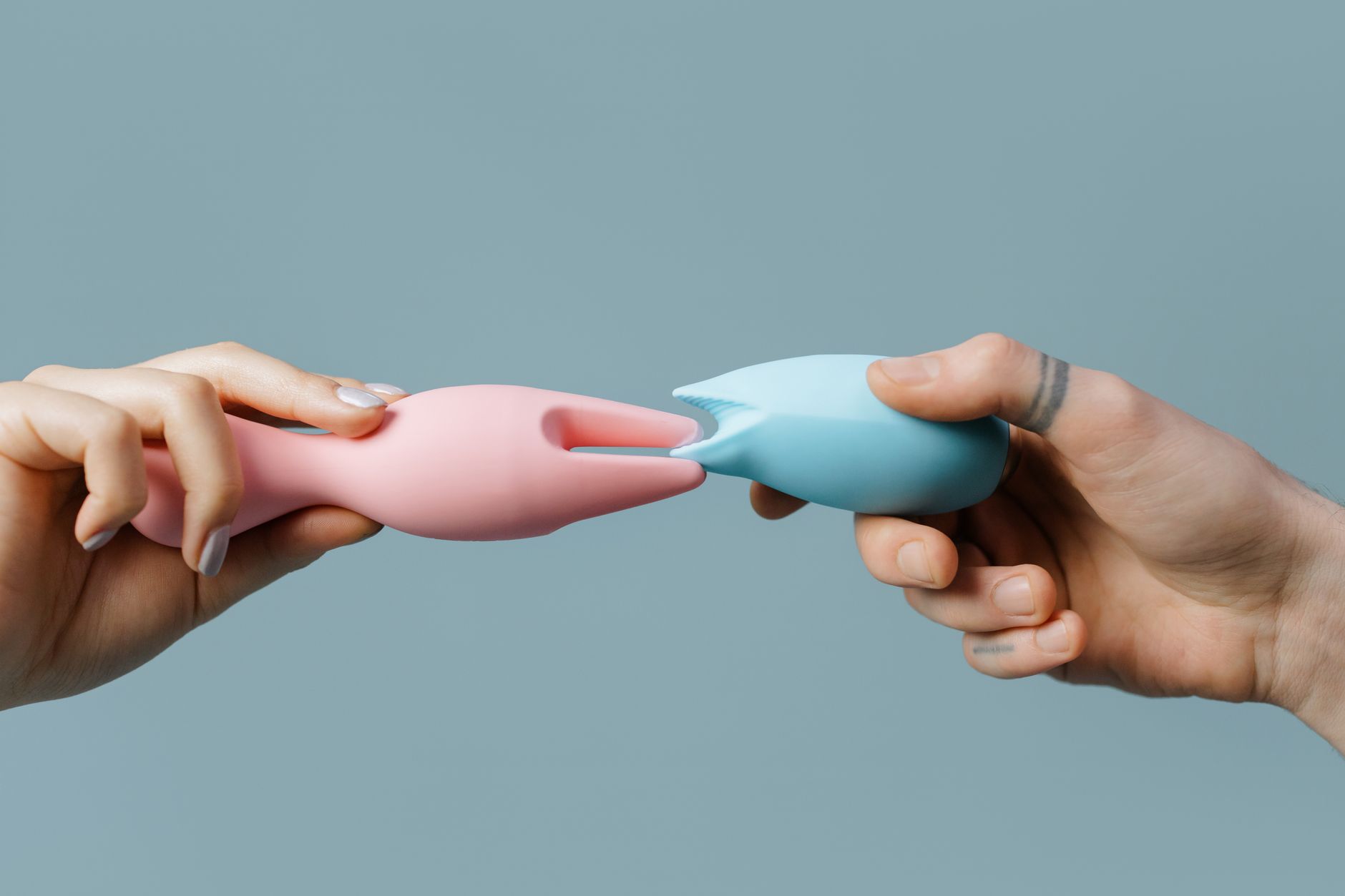
A lemon clitoral vibrator uses suction, not vibration alone. This matters for endometriosis. Suction creates a gentle pulling sensation that stimulates the clitoral nerves without the harsh friction of direct contact or the deep pressure of penetration. You're getting pleasure directly at the source without triggering inflammation in the surrounding tissue.
Most people without endometriosis don't think about this distinction. But for you, it's the difference between an experience that feels good and one that causes a two-week flare-up.
The lem vibrator starts at low intensity levels. You can build pleasure gradually without the shock of max-power stimulation that might activate pain pathways.
Three things to do before you start
First, track your cycle if you can. Endometriosis pain varies wildly depending on where you are hormonally. Some people find that the week before menstruation is off-limits. Others manage better mid-cycle. Knowing your own pattern helps you choose when pleasure is actually accessible.
Second, consider a small amount of water-based lube near the clitoris. It reduces friction and can make suction feel less intense if you're sensitive. You're not lubricating for penetration. You're creating a smoother surface for the toy itself.
Third, plan for solo exploration first. Learning your own pain-free zones without the pressure of a partner watching (or waiting) removes one layer of anxiety. Solo sessions let you experiment at your own pace without worrying about someone else's comfort or timeline.
How to actually use a lemon vibrator with endometriosis
Start with the lowest setting. The lem vibrator has a pattern you might not have tried with other toys. Spend 10 to 15 minutes just exploring sensation without aiming for orgasm. You're mapping which patterns feel good versus which ones trigger discomfort.
If a pattern causes even a slight ache deep in the pelvis, skip it. That's your body saying the stimulation is activating inflammation. Move to a different intensity or pattern.
When you find a pattern that feels genuinely good, stay with it. Build arousal slowly. Your nervous system has learned to protect itself from sexual pain. Rebuilding trust with your body takes time. The goal isn't to orgasm as fast as possible. The goal is to remember that pleasure exists and that your body can feel it safely.
If you do orgasm, notice whether you feel any pelvic ache in the hours after. Some people with endometriosis find that external orgasms feel fine, while others need to avoid them during flare-ups. You're gathering information about your own body.
When to talk to your partner about this
If you've been avoiding sex because of pain, your partner might assume it's about them or about your desire. It's not. It's about a medical condition that changes how your body responds. Separating those conversations matters. One conversation is about endometriosis and your pain. A different conversation is about rebuilding sexual connection.
You might say something like: "I want to be intimate with you, and I also need to protect my body right now. I'm going to do some exploring on my own to figure out what feels safe. That's not about you, and I'll tell you what I learn.\