
Here's what no one tells you about libido mismatch
One of you wants sex three times a week. The other wants it once a month. Maybe less. And suddenly, what should be a straightforward conversation becomes loaded with guilt, resentment, and the kind of pressure that makes desire disappear faster than it arrived. This is the most common complaint I hear from couples, and it's also the one people are most reluctant to address directly.
The good news: a libido mismatch isn't a compatibility problem. It's a communication and tools problem. And lemon vibrators, specifically their air-suction design, can be part of a real solution.
Why the mismatch happens (and why it's not what you think)
Different baseline libidos aren't about love or attraction. They're about neurochemistry, stress tolerance, hormonal cycles, life phase, and something called "responsive" versus "spontaneous" desire. You might have responsive desire, meaning you need foreplay or context to build arousal. Your partner might have spontaneous desire, meaning they wake up ready. Neither is better. They're just different operating systems.
Here's where couples get stuck: the higher-desire partner feels rejected. The lower-desire partner feels pressured, which kills any arousal that might have naturally arrived. Now you're both unhappy, and nothing about your actual bodies or hearts has changed.
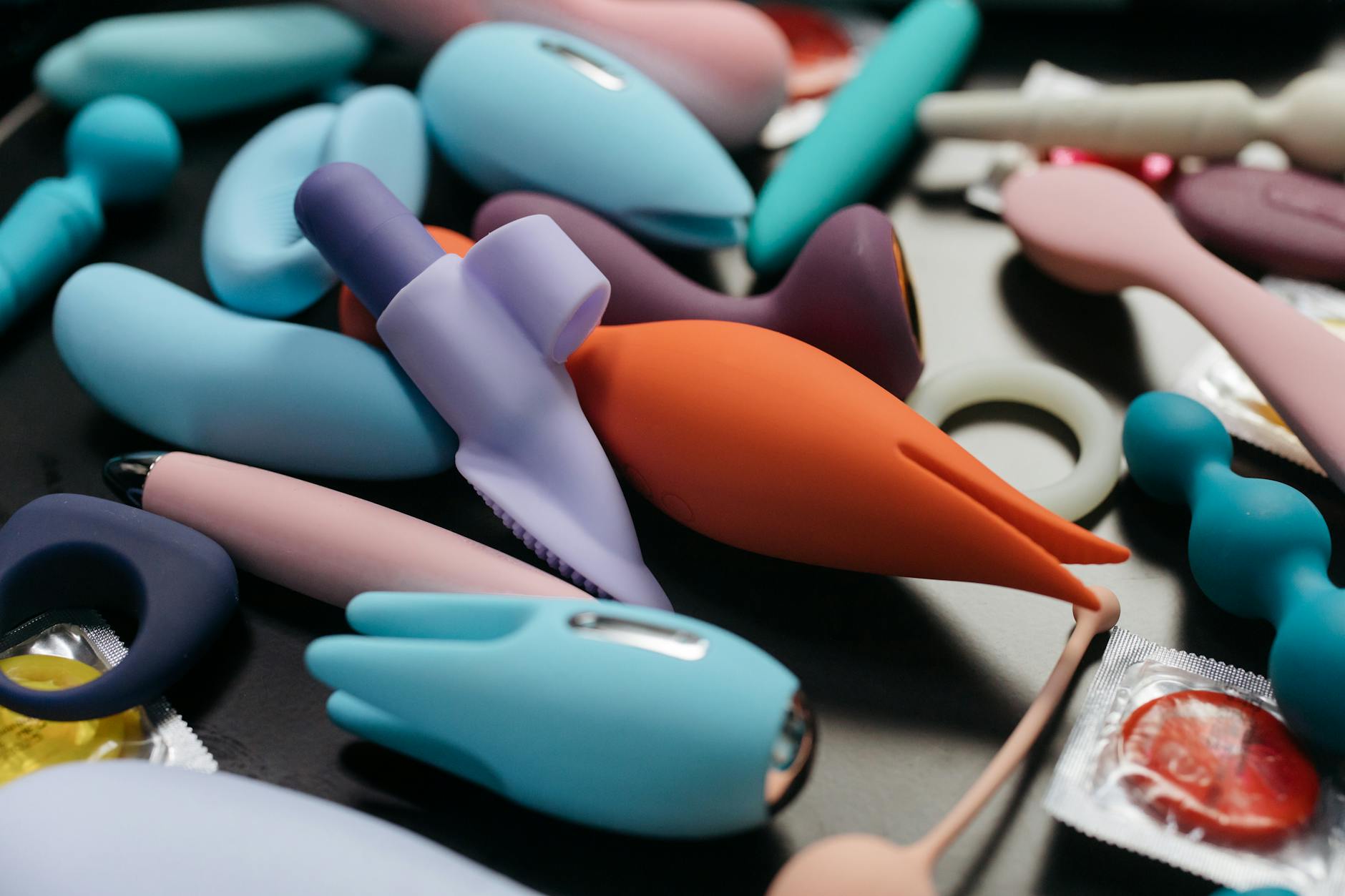
Photo by cottonbro studio on Pexels
The pressure trap (and how to escape it)
When you have lower desire, using a toy might feel like you're performing for your partner's benefit. That's the opposite of helpful. A lemon clitoral vibrator works best when the experience belongs entirely to you.
Here's the reframed approach: you use it solo, on your own schedule, when you want. Not as foreplay. Not as a gateway to partnered sex. As its own complete experience. The research shows that people with lower desire who reclaim solo pleasure actually experience an increase in partnered desire over time. Why? Because you're not running from your own body. You're running toward it.
This also solves the pressure problem. When your partner knows you're prioritizing your own pleasure, the dynamic shifts. They're not waiting for you to be ready. You're taking responsibility for your arousal.
How to use a lemon sucker when your body needs different timing
The air-suction design of lemon vibrators matters here because they don't require the same mental activation that traditional vibrators do. You don't have to be "horny" to feel good sensation. You just have to be open to it.
Start low and stay low. If you're not naturally in a high-desire state, intensity patterns 1 or 2 on a Lem vibrator are your baseline. You might stay there for the whole session, and that's completely fine. The point isn't to reach orgasm quickly. The point is to reconnect with physical pleasure on your terms.
Many people with lower baseline desire report that air suction feels less invasive and less demanding than traditional vibration. It's a gentler stimulus that builds slowly. You can use it for ten minutes and feel satisfied, or thirty minutes if you're enjoying it. No script. No timeline.
Creating actual space in your relationship
This is the hard part because it requires a conversation. Not during sex. Not when either of you is frustrated. A separate conversation about desire itself.
You need to say something like: "I want us to have a healthier sex life, and that means I'm going to focus on my own pleasure first. Not instead of ours, but as a foundation. When I'm not being pressured, I actually want intimacy more." That's not rejection. That's honesty.
Your partner also needs permission to manage their own desire without making it your job. Maybe they masturbate more often. Maybe you have designated sex nights, which removes the constant low-level negotiation. Maybe you have sex once a week, but both of you arrive with more genuine interest because no one's performing.
When you use a lemon vibrator as part of this arrangement, it's not a substitute for partnered sex. It's the thing that makes partnered sex actually want to happen for both of you.
The physical piece: building arousal from scratch
If your desire is persistently low, sometimes your nervous system just needs time. Especially if you've spent months or years in a cycle of pressure and avoidance, your body has learned that sex equals stress.
Using an air-suction vibrator solo gives your nervous system permission to associate pleasure with safety again. Start in a comfortable position, maybe with a favourite show or music. Let sensation happen without agenda. Many people find that after a few weeks of this, their baseline arousal does genuinely increase.
This isn't magic. It's nervous system rewiring. You're telling your body: "This is safe. This is for me. This feels good." That message compounds.
When to get professional help
If your libido dropped suddenly after it was higher, or if you have zero interest in any kind of physical pleasure, that's a sign to see a doctor or therapist. Sometimes low desire is hormonal. Sometimes it's depression or anxiety. Sometimes it's a relationship issue that needs actual professional support.
But if you've always had lower baseline desire and you're just tired of the shame and the pressure, a lemon clitoral vibrator and the permission to use it solo might be exactly what you need.
The long game: pleasure as reconnection
Here's what happens when you stop treating libido mismatch as a problem to solve and start treating it as a design challenge: things actually improve. Your partner gets to feel wanted instead of like they're chasing you. You get to feel desire without pressure. Sex becomes something you both actually want, not something one of you tolerates.
Air-suction stimulation like the Lem vibrator works because it's efficient, it's yours, and it doesn't demand you become someone you're not. You can be exactly as aroused as you naturally are, and still have genuine pleasure.
FAQ: Libido mismatch and desire rebuilding
How often should I use a lemon vibrator if I have low desire?
Start with whatever feels natural. If that's once a week, great. If it's three times a week, also great. The goal isn't frequency. It's reclaiming the experience as something you do for yourself, not something you owe your partner. Many people find that guilt-free pleasure actually increases frequency naturally over time.
Will using a lemon sucker on my own make me want partnered sex less?
Opposite. When you're not running from your own pleasure, you typically want more connection, not less. What changes is the quality. You'll want sex because you actually want it, not because you feel obligated.
How do I talk to my partner about using a vibrator when the libido gap already feels tense?
Keep it about you, not about them. "I want to explore my own pleasure more" is different than "I'm using this because you're too much." Frame it as self-care, because it is. A partner who loves you will be relieved that you're taking responsibility for your own arousal instead of expecting them to wake it up.
Can a lemon clitoral vibrator actually change my baseline desire?
Not magically, but your nervous system responds to repeated safe, pleasurable experiences. If you've spent years in a stressed state around sex, reconnecting with your own body through air suction can genuinely recalibrate your baseline over weeks and months. It's not instant, but it's real.
What if my partner wants to use the vibrator with me and I'm not ready for that?
That's information, and it's important. You can absolutely say: "I need to feel comfortable with this on my own first. Once I do, we can explore together." Setting that boundary actually increases trust and safety, which eventually leads to better partnered pleasure.
Is a lower libido something that needs to be fixed?
Only if it's causing you distress or if it changed suddenly without explanation. If you've always had lower desire and you're at peace with that, the only thing that needs fixing is the pressure around it. A lemon vibrator and honest communication can do that.
The bottom line
Libido mismatch is painful because it usually gets tangled up with rejection, resentment, and fear. But it doesn't have to be. When you separate your pleasure from your partner's, and you use tools like air-suction vibration to reconnect with your own body, the entire dynamic shifts. You stop running from desire and start running toward your own. That's when partnered intimacy actually improves.
Your lower libido isn't a flaw. It's just information about how your body works. Honour that, and watch what happens next.