The gap nobody wants to talk about
Let's be real: most long-term couples hit a moment where what they want in bed stops matching. One person craves more frequency, the other needs space. One wants quick satisfaction, the other needs 45 minutes of buildup. One finds deep pleasure in penetration, the other needs clitoral focus and precision. None of this means the relationship is broken. It just means you're both human.
Here's what usually happens next. One partner suppresses what they actually want. They stop initiating. Sex becomes something they do for the other person, not with them. Resentment builds quietly. You start sleeping in different positions, checking your phone, mentally composing tomorrow's to-do list. And then you wonder why intimacy feels transactional.
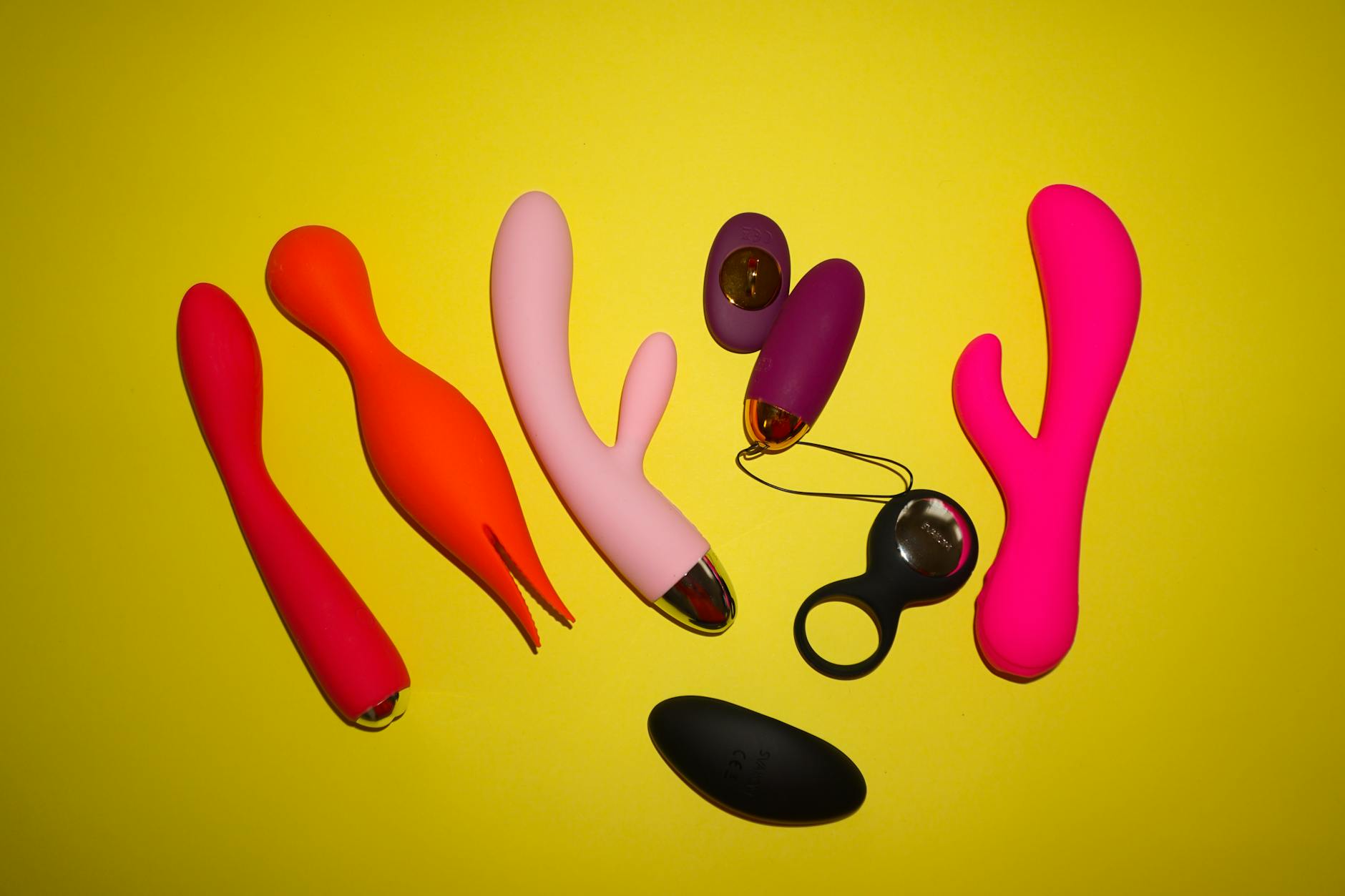
Lemon vibrators, and specifically clitoral toys like the Lem, aren't a fix for mismatched desire. But they are a conversation starter. They give you a third thing to focus on besides "my way versus your way." They redistribute pressure. They make room for what each of you actually needs.
What desire mismatch actually looks like
Desire mismatch isn't always about frequency. It shows up in subtler ways.
One partner could want an experience that feels fast and efficient. The other wants slowness, ritual, undivided attention. One person's arousal lives in their head (they need mental stimulation, fantasy, anticipation). The other's lives in their body (they need touch, rhythm, immediate sensation). One person orgasms easily and wants the encounter to end there. The other needs 20 minutes post-orgasm to feel satisfied and connected.
When these patterns clash, the standard solution is compromise, which is really just negotiated disappointment. Both people end up with less of what they want. Both feel slightly resentful.
Clitoral vibrators shift this entirely. Instead of negotiating a single shared experience, you can each have parts of what you need simultaneously. One partner uses the Lem for direct, efficient stimulation while the other focuses on touch, rhythm, and closeness. Both get satisfied. Neither feels like they sacrificed.
The three conversations you actually need to have
Before toys show up in the bedroom, the conversation has to happen in the kitchen. And it's not "Should we try a vibrator?" That's asking for a no.
Conversation One: The Preference Audit
Sit down separately and write down your honest answers to these without overthinking.
What does an ideal encounter feel like to me? How much time? What kind of touch? Do I want to orgasm? How important is that to the overall experience? What does pleasure actually mean to me.do I want penetration, clitoral stimulation, both, or something else entirely? Do I want to focus on my own sensation or my partner's pleasure or both equally?
Then swap papers. Read without defending. The goal isn't to convince each other that your way is right. It's to understand where each person actually lives.
Conversation Two: The Gap Identification
Now look at where they overlap and where they don't. Maybe one person wants frequency weekly and the other monthly. Maybe one person needs 10 minutes and the other needs 40. Maybe one person comes from one type of stimulation and the other from a completely different one.
Don't problem-solve yet. Just name what's actually different. This sounds like: "I see that you want slower buildup and I want to move faster. That's real. That matters."
Conversation Three: The Tool Conversation
Now you can talk about what could help. Clitoral vibrators like those from Mylem Official let two people be in the same encounter but having slightly different experiences. One person can use a lemon clitoral vibrator for precise, consistent stimulation. The other can focus on movement, rhythm, and touch. You're not replacing each other. You're expanding what's possible.
How lemon vibrators specifically help with different rhythms
Clitoral vibrators, especially suction-style toys like the Lem, solve a particular problem: they deliver consistent, repeatable sensation without relying on a partner's physical stamina or attention.
Here's the practical part. If your partner wants faster stimulation and you want slower buildup, the vibrator handles the fast part while you handle the slow part. They feel the pattern and pressure they want on the clitoris. You feel their body respond. You're in the same act but meeting different needs.
If one of you orgasms quickly and wants to be done while the other needs extended time, the vibrator can maintain stimulation while you rest, talk, reconnect. It's not replacing you. It's freeing you up to be present in a different way.
If penetration is important to one person and clitoral stimulation is crucial to the other, a clitoral vibrator solves this in one move. You can have both things happening at once. Nobody sacrifices.
The emotional setup that actually works
Tools only work if the conversation underneath them is solid. Here's what I tell couples.
First, position this as an expansion, not a fix. "Our preferences are different, and that's okay. I want to find a way we both actually get what we need." Not: "We have a problem we need to solve."
Second, choose the toy together. Don't surprise your partner with it. Let them hold it, ask questions, feel agency. The Lem from Mylem Official, for example, is intuitive enough that most people understand it immediately. It's not intimidating. It looks like a design object.
Third, agree on a no-pressure first use. Make it clear that trying it once isn't a commitment to using it forever. If it doesn't work, you talk about why and move on. This takes the pressure off "performance" with the toy.
The real benefit you're not thinking about
Here's what I see in my practice. When couples introduce a clitoral vibrator thoughtfully, what actually shifts isn't the mechanics of sex. It's the conversation. They've named what they each actually want. They've acknowledged the gap. They've said "I want you to feel good even if that's different from how I feel good." That's intimacy.
Using a lemon vibrator together, or even knowing it's an option, often leads to better communication about other things too. Because you've practiced saying "What do you actually want?" and listening to the answer without fixing it.
The toy is just permission to want things differently.
When to bring it up if you haven't yet
Timing matters. Don't introduce this right after a disappointing sexual encounter. Don't do it in a moment when one of you feels rejected or resentful. Choose a calm moment, not in the bedroom, when you're both relaxed and have time to talk.
Something like: "I've been thinking about us. I know we want different things sometimes, and I don't want either of us to keep sacrificing. I read about couples using vibrators to have more of what each person wants. Would you be open to exploring that?"
That's it. No pressure. No salesmanship. Just an opening.
If your partner isn't ready, respect that. You can circle back in six months. Some people need more time. But at least you've named the gap instead of letting it quietly erode the relationship.
What happens after you try it
Most couples either find it works great, or it feels awkward the first time and gets easier, or it doesn't resonate and they move on. All of those are fine.
What matters is that you've created space for both of you to want things. You've said that your pleasure matters and their pleasure matters and those can be different things. You've picked a tool that lets you both be satisfied without either person giving up what they need.
Desire mismatch isn't a relationship failure. It's a relationship detail that requires honesty and sometimes creativity. Lemon vibrators, when introduced with communication, give you a practical way to handle it.
FAQ
How do I know if desire mismatch is the real problem or if something deeper is wrong?
Desire mismatch is usually just that. When something deeper is wrong.a trust issue, unresolved conflict, or emotional disconnection.desire becomes a symptom. So before introducing toys, ask yourself: Do I trust my partner? Are there unresolved hurts? Do we argue about everything or just this? If the answer is "yes we have trust issues," that's the thing to address first. A vibrator won't fix emotional disconnection. But if the fundamentals are solid and you just want different things sexually, tools and communication work beautifully.
Can using a vibrator make my partner feel replaced?
It can, if you don't set it up right. That's why the conversation before matters so much. A vibrator isn't a replacement. It's a supplement. It's saying "I want you to feel good in the way you actually feel good." If your partner feels like the vibrator means they're not enough, that's a deeper insecurity that the toy will surface but didn't create. Address that with honesty. "I want more of you, not less. I want you to be satisfied. This helps that happen."
What if my partner wants a vibrator and I'm uncomfortable?
Take your time. Discomfort is real and often comes from old messages about what sexuality should look like. You don't have to move faster than feels right. But also ask yourself what the discomfort is actually about. Threat to your role? Judgment about the toy itself? Something from your past? Once you know, you can address it directly with your partner. And you might start by just talking about it instead of using it. Sometimes the conversation is enough.
How often should we use a vibrator if we're trying to address desire mismatch?
Whatever works for you. Some couples use it every time. Others use it occasionally. The goal isn't to use it more. It's to use it when it solves something. If one person's arousal is particularly slow, maybe it's in the foreplay. If one person wants quick satisfaction, maybe it's the main event. Let it serve function, not habit.
Is it normal that my partner's pleasure looks different from mine?
Completely normal. The idea that good sex looks the same for both people is fiction. What builds arousal in one body doesn't in another. What feels amazing to one partner might feel uncomfortable to someone else. Knowing this and building around it.rather than asking one person to want what the other wants.is what mature sexuality looks like.
How do lemon clitoral vibrators compare to other toys for this situation?
Clitoral vibrators from Mylem Official like the Lem are designed for precision and consistency. They're not about gimmicks. They're about reliable sensation, which is exactly what you need when you're trying to let each person have their own experience in a shared moment. Suction-style toys especially give you sensation that's different from fingers or a partner's body, which can be what someone needs to feel satisfied alongside someone who wants something entirely different.