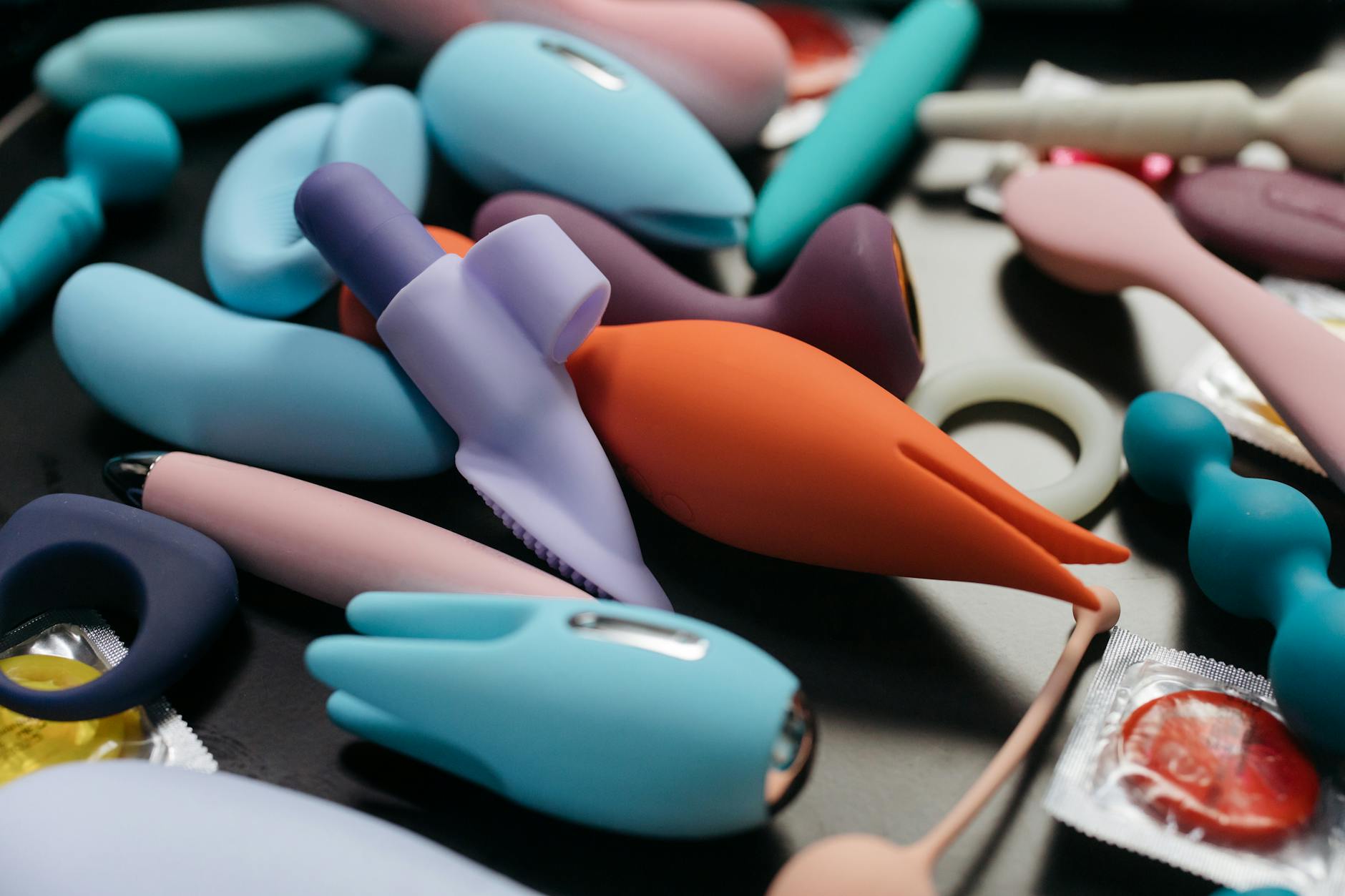
Here's the thing about refractory periods that nobody explains
After an orgasm, your nervous system needs to reset. For some people, that takes ninety seconds. For others, it takes thirty minutes. The biological difference isn't a flaw or a sign of low desire. It's just how bodies are wired. And when you're partnered with someone whose refractory clock ticks at a completely different speed, that mismatch can either become a source of tension or an opportunity to deepen how you touch each other.
I've worked with couples where one partner orgasms and immediately wants physical space and stillness. The other is primed for round two and feels rejected by that withdrawal. Both feelings are valid. Both also create a gap: a moment where desire isn't synchronized, and someone feels either rushed or left behind.
Lemon vibrators, specifically air-suction clitoral vibrators like the Lem, solve this by creating a path where both partners can stay engaged without pressure.
Why refractory periods matter in partnered sex
Refractory period is the recovery phase after orgasm. During this time, the body is literally changing: heart rate drops, blood pressure normalizes, arousal chemicals flood out of your bloodstream and get replaced by others that calm the nervous system.
The length varies wildly. People with clitorises often have shorter or no refractory period. Some can have multiple orgasms back-to-back. Others need their nervous system to fully settle before touch feels good again. People with penises typically have longer refractory periods, ranging from a few minutes to an hour or more, depending on age, health, medications, and individual wiring.
Here's the kicker: these timelines almost never match perfectly in a partnership. One person is ready to collapse into a hug. The other is ready for touch number three. One wants stimulation to continue. The other's genitals feel too sensitive to touch. That's not incompatibility. It's just biology with bad timing.
The emotional cost of ignoring the mismatch
When refractory periods are dramatically different, unspoken tension builds. The faster-recovering partner might feel rejected or unattractive. The slower partner might feel pressured or guilty about needing space. Over time, couples often cope by cutting sex shorter than either person actually wants, or by avoiding sex altogether.
I've watched couples who genuinely loved each other create a silent rule: "We're done after one round," not because either partner wanted that, but because negotiating the gap felt too uncomfortable.
The solution isn't to ignore the difference. It's to design touch that honors both refractory curves at the same time.
How lemon vibrators create parallel pleasure
A lemon clitoral vibrator works independently. You don't need a partner's body actively engaged to use it. That changes everything about the refractory period mismatch.
Here's the script: one partner has an orgasm and enters their recovery phase. Instead of the faster partner either waiting awkwardly or pushing for more stimulation, the faster partner can use a lemon vibrator. They're together. They're touching. Neither person feels abandoned. And the recovering partner doesn't feel pressured to perform before their nervous system is ready.
This isn't a workaround. It's a completely legitimate form of partnered sex. You're not separate. You're synced to different rhythms but moving through the same experience.
Practical setup for mismatched timelines
Start by actually talking about your refractory periods instead of pretending they don't exist. Ask your partner: "After you come, do you want touch right away or do you need space?" "How long until you feel like you could go again?" These aren't awkward questions. They're data.
Once you know the gap, you can plan for it. Here's what works:
Set an intention beforehand. Before you start, say something simple: "After you finish, I want to keep going. Can I use a lemon vibrator while you recover?" Consent first. No surprises.
Stay close during recovery. This is the non-negotiable part. During your partner's refractory phase, stay physically close. This could mean cuddling, kissing, caressing without genital contact, or gentle whole-body touch. They've just had an intense experience. Proximity matters more than you'd think.
Introduce the vibrator during the transition. Once your partner signals they're ready to be touched again, you can bring in a lemon vibrator. Start low. Use pattern 1 or 2. You're exploring what feels good to both of you in this recovery phase, not chasing another orgasm immediately.
Don't narrate it. Don't say "Okay, now I'm going to use this because you're too tired." That adds shame to his (or their) recovery. Just let it be a natural shift in how you're touching each other.
When partners have opposite preferences
Some people want continued stimulation after orgasm. Others want their genitals left completely alone. A lemon clitoral vibrator lets you honor both without compromise.
Say your partner needs zero touch after they come. They want to lie still. You want more sensation. Instead of asking them to be your partner again before they're ready, use a lemon vibrator on yourself while you're still cuddled together. You're both getting what you need. Neither person has to wait alone.
This is where air-suction vibrators specifically shine. They're quiet. They don't require penetration or a ton of positioning. You can basically stay in the same embrace you were in during sex and shift to self-pleasure without creating a logistics nightmare.
Communication patterns that actually work
The couples I work with who handle refractory period mismatch best usually follow a simple pattern:
Name it without judgment. "I notice you need a bit longer to recover than I do." Not "you're slow" or "I'm always ready again faster." Neutral observation.
Make it about logistics, not desire. "I still want to feel close to you. Can we figure out a way I can keep touching you without overwhelming your nervous system?" This frames the lemon vibrator as a solution for closeness, not a backup plan.
Rotate who uses what. If you're always the one recovering and your partner always uses a vibrator, eventually resentment creeps in. Some nights, you use a lemon vibrator on yourself while they recover. Other nights, you prioritize their continued pleasure first. Take turns being the recovering partner and the one who stays engaged.
The psychology of staying emotionally connected during refractory phases
Here's what's actually happening in your brain during refractory periods: your brain is flooded with chemicals that feel good but also create a sense of detachment. Oxytocin (the bonding chemical) spikes, but so do endogenous opioids (which create numbness and calm). Your nervous system genuinely isn't wired for more intensity right now.
Your partner touching you with a lemon vibrator during this phase actually helps your brain transition more gently. Instead of going from full arousal to complete stillness, you're moving through a middle ground. It keeps dopamine and oxytocin flowing without demanding more from your recovering nervous system.
Emotionally, it also matters. A lot. The message being sent is "I want to keep being intimate with you even while you recover." That's fundamentally different from "I'm waiting for you to be ready for me again."
When to bring this into your relationship
Introduce the idea during a conversation outside the bedroom, not during sex. Say something like: "I read that some couples use vibrators during refractory periods so they can stay connected. Do you think that could work for us?"
Let your partner sit with that for a day or two. Then, when you're next intimate, bring it up again: "Want to try what we talked about?" If yes, keep it simple. Don't overthink it. If the answer is no or "not yet," respect that. Trust builds slowly.
The first time might feel awkward. That's normal. You're doing something outside your usual script. By the third or fourth time, it becomes just another part of how you touch each other.
Common worries, addressed
Will it make my partner feel inadequate? Only if you frame it that way. If you're treating a lemon vibrator as a "you're not enough" statement, yeah, that stings. If you're treating it as "I want to keep feeling close to you while your body recovers," it's actually deeply connective.
Will I feel left out? Paradoxically, most partners report the opposite. Watching someone you love pleasure themselves while you recover feels intimate. You're both vulnerable. You're both present. That's actually more connected than waiting alone.
Will it replace partnered sex? No. It supplements it. You're extending the experience, not replacing it. Sex doesn't end when someone orgasms. Intimacy continues in different forms.
A note on physical sensation
If your partner's refractory phase includes sensitivity that makes genital touch uncomfortable, a lemon vibrator can actually help. Air-suction stimulation distributes pressure differently than direct touch. Some people find it actually feels better during recovery because the sensation is gentler and more diffuse.
Start with the lowest setting. You're not chasing another orgasm. You're exploring what feels restorative in this phase.
FAQ: Refractory periods and lemon vibrators
How do I know what my actual refractory period is?
Pay attention. After you orgasm, notice when you want touch again. Is it immediately? Five minutes later? Thirty minutes? Your body will tell you. Write it down for a week if you need data. Most people are surprisingly consistent.
Can refractory periods change over time?
Yes. Age, medication, stress, relationship satisfaction, and health all affect refractory periods. You might have a ten-minute recovery window at thirty and a forty-minute one at forty-five. Checking in every year or so keeps you from making old assumptions about new bodies.
What if my partner is embarrassed about needing a long refractory period?
That's worth naming. Testosterone-influenced bodies are often socialized to stay "ready." Needing recovery time isn't a failure. It's a sign your nervous system is functioning normally. Some partners need permission to be slow. You can give that permission: "Your recovery time is completely normal. I love that we get to move at your pace."
Is it weird to use a vibrator while my partner is still there?
Not even a little. Co-masturbation in front of a partner, whether you're touching them or yourself, is fundamentally intimate. You're choosing vulnerability and pleasure in front of someone. That's brave and hot.
Can I use a lemon vibrator during sex, not just after?
Absolutely. Some couples bring in a lemon clitoral vibrator during partnered sex specifically to extend the faster partner's pleasure while the other partner recovers from an orgasm. This helps both people get what they need in the same session.
What if we have opposite preferences about timing?
One partner wants to go slow and steady. The other wants intensity then recovery. A lemon vibrator lets you each get your preference in the same experience. You're not compromising your pleasure. You're just experiencing it differently in time.
The bigger picture
Refractory period mismatch is one of those relationship issues that seems like it should be simple to solve but somehow stays quiet for years. Partners accommodate each other without ever naming what's happening. One person stays frustrated. The other feels guilty. Both wonder if something's wrong.
There's nothing wrong. You're just built differently. And that difference is actually an opportunity to get more creative and more intimate about how you touch each other.
A lemon clitoral vibrator isn't a band-aid. It's an actual tool that lets both partners stay engaged, stay present, and stay connected through the phases of sex where your nervous systems naturally diverge.
Talk to your partner. Start small. See what works. Your refractory periods don't have to dictate your pleasure anymore.
If you're curious about exploring this dynamic more deeply, reach out and let's talk about what partnership looks like when bodies move at different speeds.