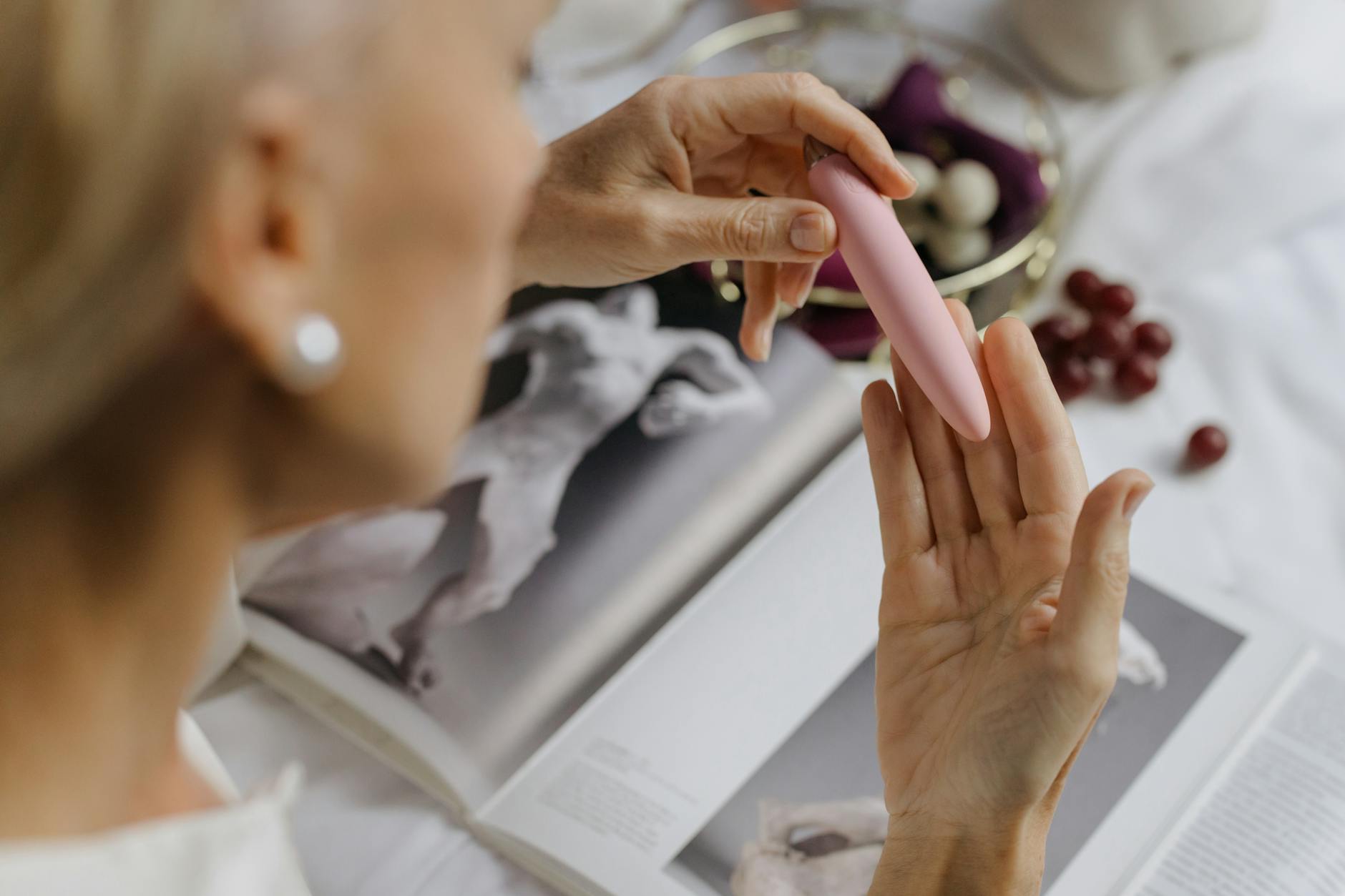
The flattening effect nobody warns you about
You took the medication because you needed it. Depression lifted. Allergies stopped. Anxiety quieted. And then somewhere between week two and week six, you noticed your body had gone quiet too. Touch feels muffled. Orgasms are harder to reach or weaker when they arrive. Your partner touches you and it registers, but distant, like through a pane of glass.
This is real. It's also fixable. The issue isn't your capacity for pleasure. It's that certain medications lower blood flow to the genitals, reduce sensitivity in nerve endings, or dampen the neurochemical cascade that builds arousal. The good news: air-suction vibrators like the Lem are specifically designed to work around these barriers.
How numbing medications change sensation
Three categories of meds commonly flatten sensation:
SSRIs and SNRIs (antidepressants) reduce dopamine and noradrenaline availability, which throttle arousal and orgasm intensity. Antihistamines dry out tissue and decrease blood flow. Certain nerve pain medications (gabapentin, pregabalin) literally muffle sensory signals before they reach your brain.
The mechanism is straightforward. Your nervous system is the wiring, and these meds are turning down the volume at several points. Regular vibration might not generate enough stimulation to break through. Air-suction technology works differently. Instead of vibration alone, it creates a gentle pressure wave that stimulates clusters of nerve endings more intensely without direct friction. Think of it as a megaphone for sensation rather than a louder speaker.
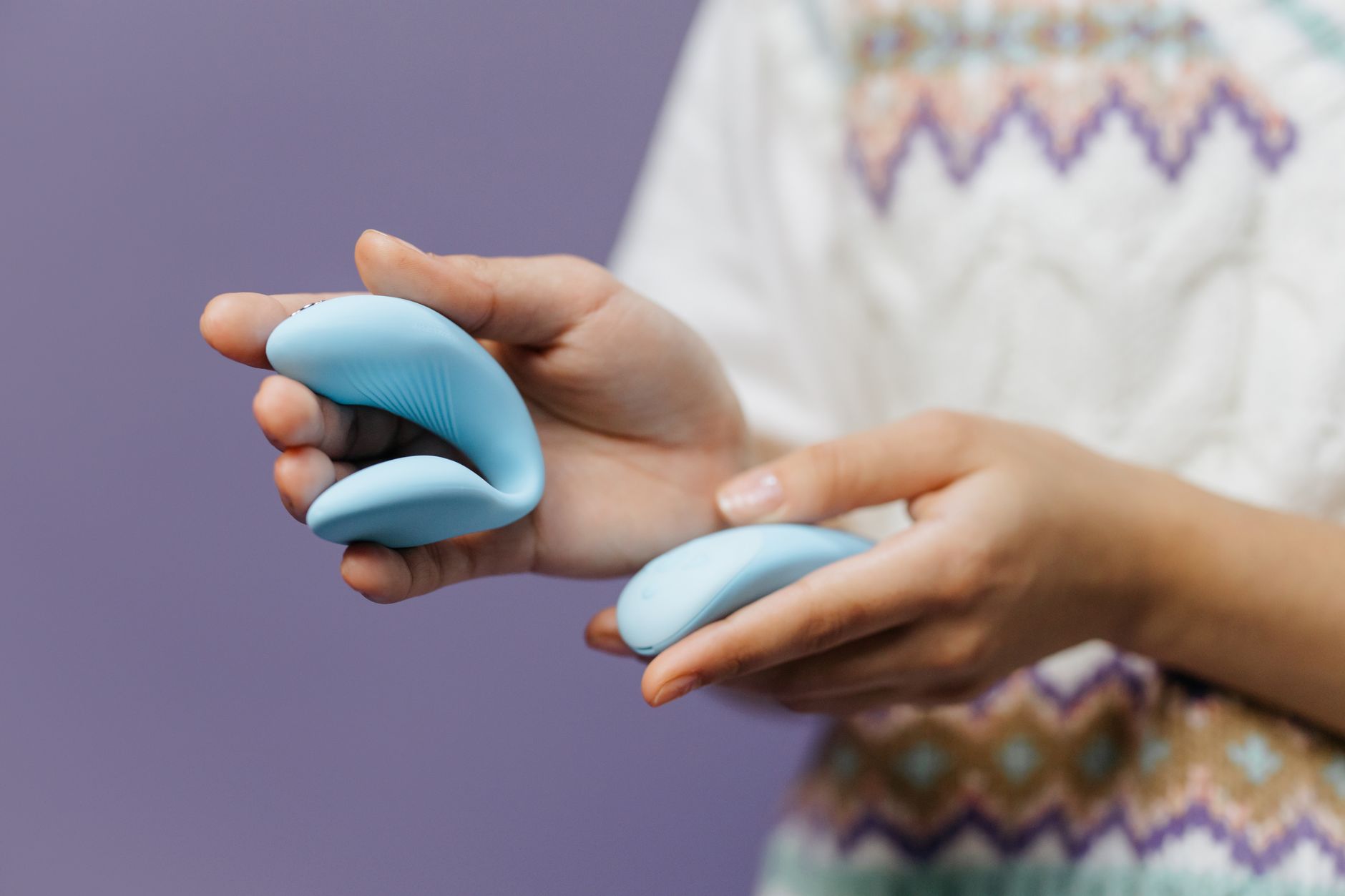
Photo by cottonbro studio on Pexels
Why clitoral vibrators specifically help medication side effects
The clitoris has around 8,000 nerve endings concentrated in a small area. When sensation is flattened, that density becomes an advantage. You don't need more tissue to be sensitive. You need more intelligent stimulation in the right place.
A lemon vibrator works in layers. The suction component brings blood to the area, increasing sensitivity gradually. The gentle pulse pattern stimulates without overwhelming numbed nerves. Most importantly, you control the intensity. With antidepressant-related numbness, you often need 15 to 30 minutes of consistent, ramping stimulation. A good clitoral vibrator lets you start at pattern one or two and build slowly as sensation returns.
You're not compensating for the medication. You're coaching your body to remember how to respond.
A practical starting protocol
If you're on an SSRI or similar flattening med, try this framework:
Week one: low intensity, long duration. Use your lemon clitoral vibrator at the gentlest setting for 20 to 30 minutes, three to four times per week. Your only goal is familiarity and bloodflow increase. Don't chase orgasm. You're teaching your nervous system that stimulation is coming.
Week two to three: introduce variety. Spend 10 minutes at pattern one, then move to pattern two or three. Notice when sensation shifts. If it takes 25 minutes to feel arousal building, that's completely normal and actually data. You're mapping your new timeline.
Week four onward: gradual intensity. Once you feel some response, start cycling through patterns within a single session rather than just staying at one level. This variation helps rewaken your body's ability to track changing input.
The key: patience. Medication-dulled sensation doesn't snap back in days. You're rebuilding neural responsiveness, which takes sustained practice.
Why a vibrator beats forcing it with a partner
When sensation is flattened, partnered sex often becomes performance. Your partner is trying to read signals that aren't there. You're waiting for something that isn't coming. Frustration builds on both sides.
Using a lemon vibrator solo accomplishes something different. You're alone with only your own experience as data. No timing pressure. No read on someone else's pleasure or frustration. You can explore for 30 minutes and feel no progress, which is fine because you're not going anywhere. You're simply rebuilding baseline sensation.
Once you've done this work alone, partnered sex often clicks into place faster because your body has relearned the signal. Your partner isn't trying to create sensation from zero. They're working with a body that already remembers.
The conversation to have with your prescriber
If sensation loss is significant, mention it. Not all antidepressants flatten sensation equally. Sertraline and paroxetine are worse for this than escitalopram or bupropion. Your doctor might be able to adjust timing (taking the dose at night instead of morning), add a booster medication, or switch to one with fewer sexual side effects.
This isn't complaining about a minor inconvenience. Sexual response is part of your quality of life. A good prescriber will take this seriously.
That said, stopping the medication to regain sensation isn't the answer. Depression or anxiety returning is worse than numbness. But having the conversation opens options.
What actually happens as sensation returns
Most people report three phases. First, you notice general sensitivity increasing. Your skin feels things more sharply. Touch that was muffled comes into focus. Second, arousal starts building faster. Sessions that took 25 minutes now take 15. Orgasms feel more present even if still not as intense as pre-medication. Third, over weeks or months, intensity returns closer to baseline.
It's not always linear. You might have a week where sensation plateaus, or a day where it dips. Stress, sleep, hormone cycle (if you menstruate), and relationship factors all affect it. A lemon vibrator is consistent when your body isn't.
Most importantly, you often reach a place where sensation is 80 to 90 percent of what it was, and your brain stops comparing and starts enjoying. The goal isn't perfect. The goal is functional pleasure that feels good enough to want regularly.
The role of lubrication and patience
Many people on numbing meds also experience dryness, especially antihistamines. Water-based lube makes a genuine difference. It's not a workaround. It's a tool. Dryness increases friction, which increases the volume of stimulation needed to break through numbness. Lube lowers that barrier.
As for patience: this is the part nobody likes to hear. If you've been on an SSRI for six months, rewakening sensation might take eight to twelve weeks of consistent, solo practice. But it works. I've seen it work repeatedly. The clitoris doesn't forget how to respond. It just needs the right kind of encouragement.
FAQ: Medication, sensation, and vibrators
Can I use a lemon vibrator while still on antidepressants?
Yes, absolutely. The medication didn't break your clitoris. It muffled the signal. A clitoral vibrator amplifies that signal in a way your body can still process. Using one while on the medication is actually where the real data comes from. You'll feel what works, what doesn't, and how your specific body is responding to your specific dose.
How long does it take to feel sensation returning?
First changes typically appear in two to three weeks of regular use. Noticeable improvement in arousal speed or orgasm intensity usually takes four to eight weeks. Full restoration (if it happens) can take three to six months. This is individual. Some people rebound faster. Others plateau at 70 percent and stay there, which is still a massive improvement over numbness.
If my medication is causing this, shouldn't I just stop taking it?
No. If the medication is treating depression, anxiety, or chronic pain, stopping it to regain sensation often backfires. Returning symptoms are worse than numbness. What you should do: talk to your prescriber about timing, dosing, or switching to a med with fewer sexual side effects. These conversations happen all the time. Your doctor has answers.
Will a vibrator help if I'm on multiple medications?
Yes. Multiple meds can compound numbness, but the solution is the same: consistent, sustained stimulation to rewaken the clitoris. You might need a longer timeline. You might find that one medication contributes more numbness than another. But vibrator-based practice still works.
What if I feel nothing even after weeks of use?
First, check your expectations. Numbness is deep. You might be feeling more than you realize but expecting pre-medication intensity. Second, try adjusting: longer sessions, different patterns, or a brief conversation with your prescriber about whether a medication change is possible. Third, remember that sensation often returns gradually and in waves, not as a steady climb.
Can I use a lemon vibrator with dryness from antihistamines?
Yes. In fact, antihistamine-related dryness is easier to work with than other types. Antihistamines reduce lubrication because they dry mucous membranes. Water-based lube bypasses this entirely. Use a generous amount. Reapply as needed. The Lem works well with lube because suction doesn't rely on friction the way vibration does.
Moving forward
Your body didn't break. The medication did its job by quieting the pain or anxiety it was meant to treat. Now it's time to teach your nervous system that pleasure is still possible. A lemon vibrator is a tool for that conversation. Solo practice, consistency, and patience will do the rest.
If you have questions about how to get started or want guidance tailored to your situation, reach out to us. We're here to help you rebuild what matters.