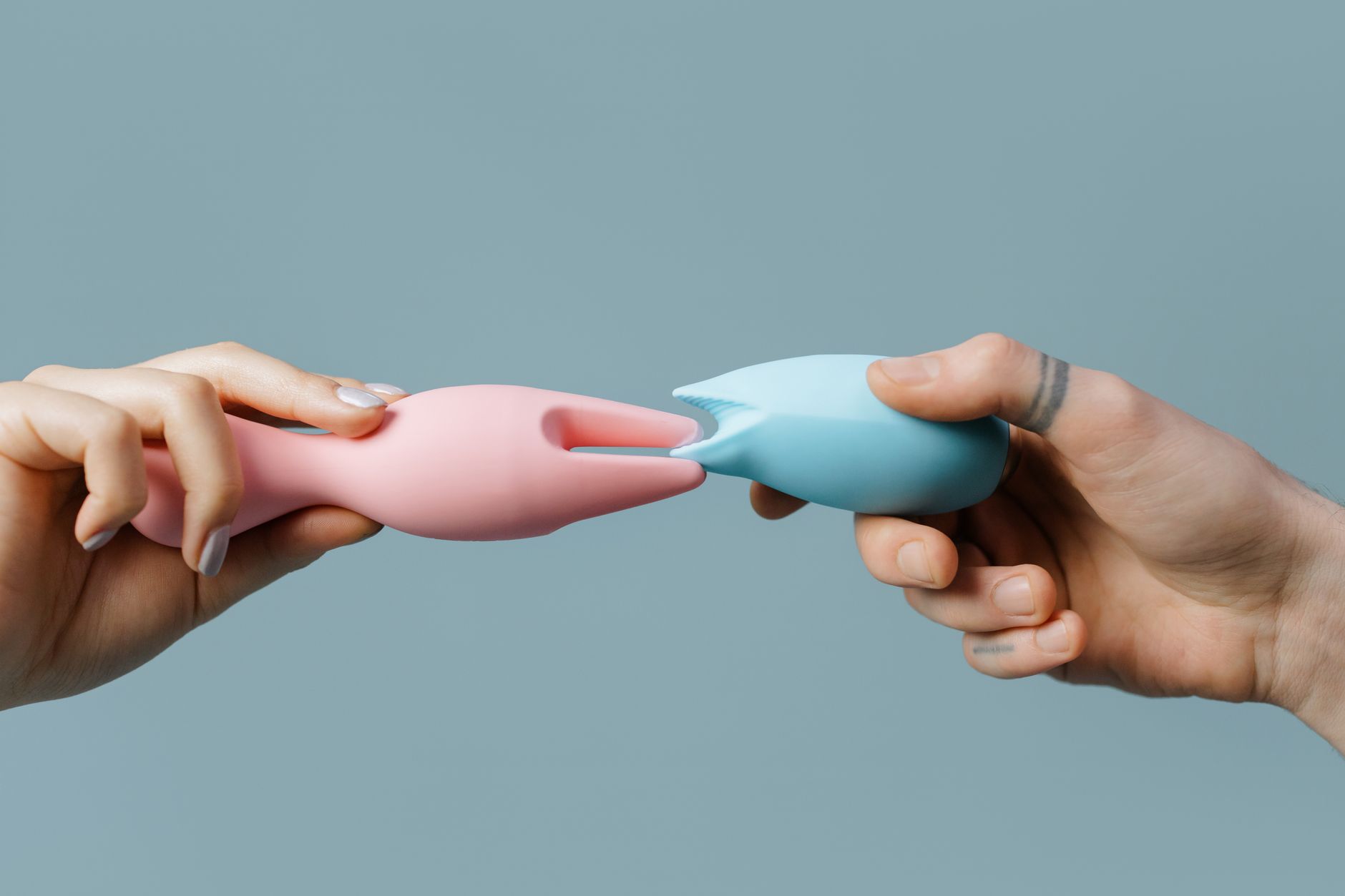
Let's name the thing nobody warns you about
Antidepressants save lives. They also, very often, flatten arousal and orgasm into something distant and muted. You take the medication because the alternative is worse. But then you realize you can't feel much of anything down there anymore, and suddenly you're trading one kind of numbness for another. That's not fair. And it's not permanent.
Here's what I see in my practice all the time: people on SSRIs and SNRIs think the sensation loss is permanent, or that they have to choose between their mental health and their pleasure. Both are wrong. The numbness is a side effect, not a feature. And lemon clitoral vibrators, specifically, are one of the most direct routes back.
How SSRIs actually change sensation
When you take an SSRI or SNRI, the medication increases serotonin availability in your brain by blocking its reuptake. That's great for mood. But serotonin also regulates sexual response. Higher serotonin levels can mean longer time to arousal, dampened orgasm intensity, or complete anorgasmia. For some people it's mild. For others it's like someone turned the volume down to two.
The key thing to understand: this isn't your body breaking. It's a neurochemical trade-off. Your brain is prioritizing emotional stability over sexual response. That's the deal you made, and it was the right deal. But deals can be renegotiated.
The numbness sits in three places.
First, the brain. Arousal starts in your head. With SSRIs, that mental spark that would normally fire up a cascade of physical responses often doesn't show up. You might look at something that used to turn you on and feel literally nothing.
Second, the genital nerves. The actual nerve ending sensitivity decreases. Touch that would have felt electric now feels muted. This is real, measurable sensation loss, not psychological.
Third, the orgasm response itself. Even if you can get aroused, the motor patterns needed for orgasm get delayed or dampened. Some people describe it as trying to reach an orgasm through a thick wall.
Why lemon vibrators work when pills have flattened you
Lemon clitoral vibrators, especially suction-based designs like those from Mylem Official, bypass some of the usual pathways.
Here's the neurology. Direct vibration and suction stimulation activates the clitoral bulb through pressure waves rather than simple touch. Touch is what your dulled nerve endings struggle with. But pressure and rhythm can cut through that numbness more effectively. It's like the difference between trying to see something in fog versus following a bright light through it.
Second, because a lemon vibrator concentrates stimulation into a very specific area with consistent intensity, it doesn't rely on you generating arousal mentally first. You're not waiting for desire to show up. You're introducing direct stimulation and letting your nervous system respond to that instead.
Third, the repetitive rhythm of a lemon clitoral vibrator helps your brain re-encode the arousal pathway. Even if sensation is numb, the consistent input from the toy can gradually rebuild the association between stimulation and pleasure. You're not forcing it. You're just offering your nervous system a clearer signal.
The practical approach
If you're on an antidepressant and considering a lemon sexual toy for the first time, here's what tends to work.
Start with lower intensity. This sounds counterintuitive when you're already numb, but your nervous system is sensitive in a different way now. Begin at pattern one or two on your lemon vibrator. Let sensation accumulate.
Build time in. Numbness didn't appear overnight. It won't reverse overnight either. Give yourself 15 to 20 minutes with the toy, even if nothing feels like much at first. Some people find that after five or ten minutes of consistent stimulation, sensation slowly starts to register.
Track the small signs. You're not looking for fireworks. Early on, you're looking for any shift. A slight warmth. A tiny tingle. The beginning of a thought that something might happen. Write down what you notice. Your nervous system is learning again.
Use it solo first. If you have a partner, you might be tempted to involve them right away. But the first phase should be about you rebuilding your own relationship with pleasure. When sensation returns, it's easier to integrate a partner then.
Be honest about timing with your prescriber. If you've been on your current medication for less than eight weeks, the numbness might still be leveling out. Some people find that the side effects decrease after a few months as their body adjusts. If you've been on it for six months or longer and sensation hasn't improved, that's worth a conversation with your psychiatrist. Sometimes switching medications or adjusting dosage can help. That's not quitting antidepressants. That's optimizing them.
When sensation starts returning
For some people it happens quickly. For others it's gradual and weird. You might suddenly feel a lot one day and then nothing the next. That's normal. Your nervous system is recalibrating.
When you do start feeling more, you might notice something unexpected: you have more control over your arousal than you did before. The numbness forced you to pay attention. You learned the difference between real pleasure and performance. That knowledge doesn't go away. Some people find their sexual response actually feels richer after they've moved through this phase.
If you have a partner, now is when you might bring them back into the equation. You could use a lemon vibrator together, or show them what works. You're not explaining that you're broken. You're saying, here's what I've discovered about my body.
The questions nobody asks
Does switching antidepressants guarantee your sensation will come back? Not always, but often. Different medications affect sexual response differently. An SSRI might numb you while a different class of antidepressant might not. That's a real option to discuss.
Can you use a lemon clitoral vibrator while you're numb and still feel something? Yes. Not a lot, maybe. But the pressure, the rhythm, the temperature of the toy. These register even when fine touch doesn't. Start there.
Does this mean your antidepressant is the wrong one? Not necessarily. A medication can be giving you your life back while also dampening pleasure. Both things are true. The question is whether the trade-off is worth it for you, and whether there are ways to get more pleasure back without losing the mental health gains.
Is it normal to grieve the sensation you've lost? Absolutely. You're mourning something real. Let yourself do that. It doesn't mean the numbness is permanent.
FAQ
How long does it take for sensation to return after starting lemon vibrators?
It varies widely. Some people notice shifts in two to three weeks. Others take several months. The key is consistency, not intensity. Using your lemon clitoral vibrator regularly signals your nervous system that arousal is possible again. That takes time.
Can I use lemon adult toys while on antidepressants?
Yes, completely. They won't interact with your medication. What they do is provide direct stimulation that can bypass some of the numbness side effects. Many people find lemon sexual toys especially helpful because suction-based stimulation can cut through sensation loss more effectively than basic vibration.
What if I try lemon vibrators and still feel nothing?
Give it at least four to six weeks of regular use. If nothing shifts after that, it's worth talking to your prescriber about whether a medication adjustment might help. Sometimes the antidepressant is working fine for mood but the sexual side effect isn't worth it. Other options exist.
Should I tell my partner I'm using lemon clitoral vibrators?
That depends on your relationship and what feels right to you. If you live with them, you might not have a choice. If you do decide to tell them, frame it as something you're trying to help your body feel more. Not something they did wrong, not a reflection on them.
Can I combine my antidepressant medication with other treatments for sensation loss?
Yes. A lemon vibrator is useful on its own. Adding longer foreplay, a conversation with your partner about what's changed, and consistent practice with your toy together can layer benefits. Some people also find that exercise and stress reduction help rebuild arousal responses.
Is sensation loss from antidepressants different from other kinds of sexual numbness?
Yes and no. The mechanism is different, but the experience can feel the same. The advantage of antidepressant-related numbness is that you know the cause, which means you can actually plan how to address it. That clarity helps.
Here's the real part
Your antidepressant is doing exactly what it's supposed to do. If sensation has dulled, that's a known side effect, not a failure on your part or a sign that you're broken. A lemon clitoral vibrator isn't a magic fix, but it is a direct, practical way to start rebuilding arousal pathways that medication has quieted. Sensation doesn't stay gone. It takes work to bring it back, but you're not working against your body. You're working with it.
If you want to explore what might help your specific situation, or if you'd like to talk through options with someone who gets both the mental health piece and the pleasure piece, reach out. That's what I'm here for.