Let's be real about what depression does to desire
Depression doesn't just make you sad. It flattens everything. Pleasure becomes a thing you intellectually remember but can't quite feel. Your body doesn't want to be touched. Sex sounds exhausting. And honestly? That's depression doing its job, which is to convince you that nothing matters, including things that once felt like they mattered enormously.
The tricky part is that when desire disappears because of depression, people often blame their bodies, their partners, or their relationships. But the real culprit is neurochemistry. Depression depletes dopamine and serotonin, the exact chemicals that fuel arousal, motivation, and the ability to feel good when something good is happening. It's not about attraction. It's not about commitment. It's about your brain being temporarily unable to generate pleasure signals.
Here's the good news that almost nobody tells you: rebuilding desire after depression is possible, and it doesn't require waiting until you feel like it. You can work backward from action to feeling.
How depression actually disrupts arousal
The chain reaction looks like this. Depression shrinks your capacity for anticipation. You can't imagine future pleasure because the depressed brain doesn't believe in it. Anticipation is what usually kicks off arousal, so without it, the whole system stalls.
Second, depression tanks your dopamine. Dopamine is the motivation chemical. It's what makes you want things. Without it, sex stops being something you want and becomes something you have to decide to do, which feels like work instead of desire. That's not laziness. That's your neurochemistry.
Third, depression often brings numbness. You might have an orgasm and feel nothing, which is deeply confusing and sometimes more discouraging than no orgasm at all. Your body is responding, but the pleasure signal isn't connecting. That's your nervous system in shutdown mode.
Fourth, depression pairs with isolation. You withdraw from your partner, from social connection, from touch. And less touch means less activation of your parasympathetic nervous system, which is where arousal actually lives. The withdrawal deepens the cycle.
Most people think they need to wait until desire comes back before they try again. But that's backwards. You have to restart the arousal system, even if it feels mechanical at first.
The body-first approach to rebuilding desire
Here's what I tell people: forget about wanting it for now. Focus on sensation instead.
Start solo. Your nervous system needs to remember what pleasure feels like without the pressure of a partner's expectations or your own guilt about "not being in the mood." Spend 15 minutes noticing what feels okay on your skin. Temperature, texture, light touch versus firm pressure. This isn't about reaching an orgasm. It's about rebuilding the connection between your body and your nervous system.
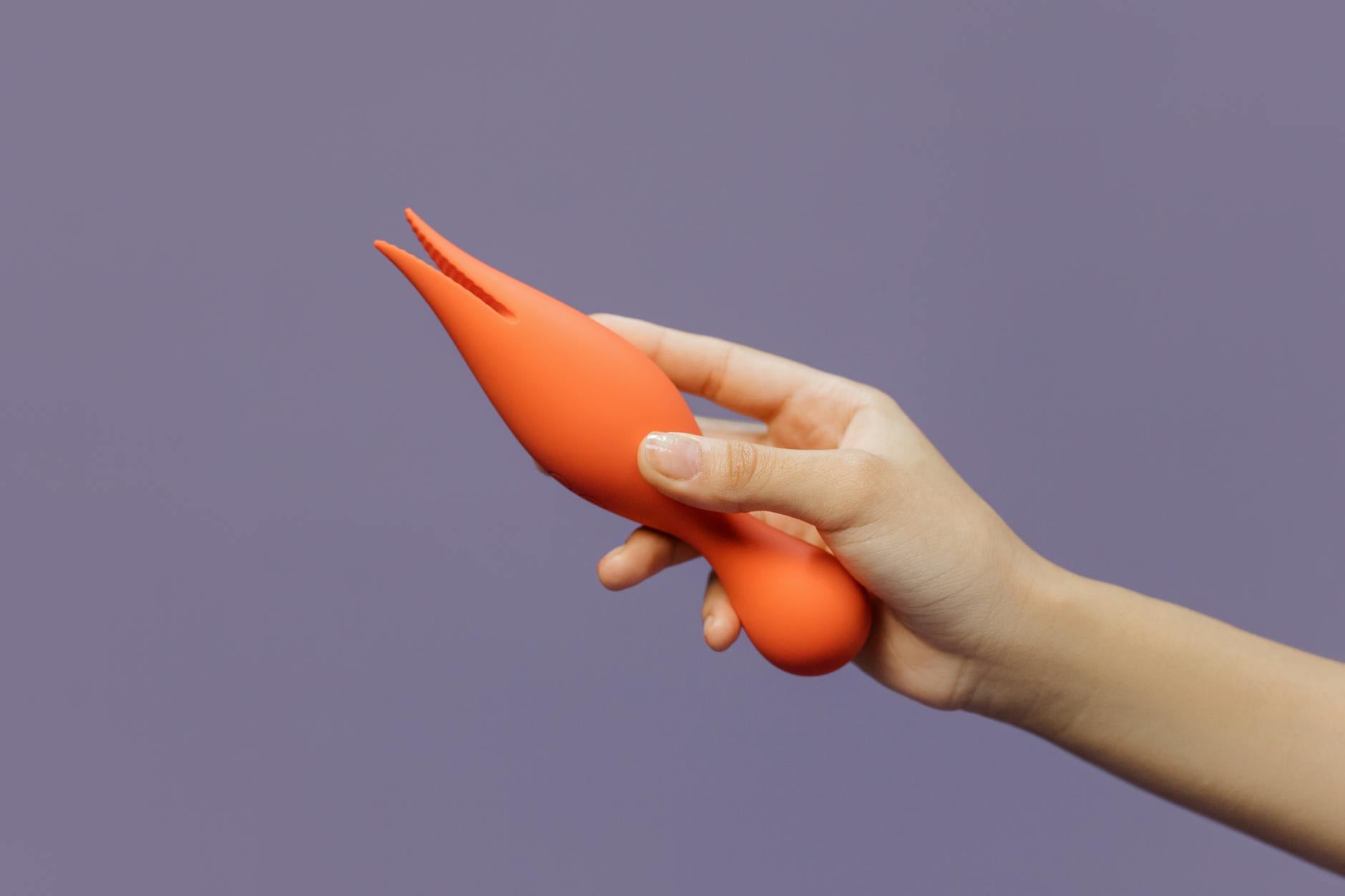
A lemon clitoral vibrator works well for this because the suction sensation is distinct and localized. It doesn't require you to perform anything. You just feel it. Start at the lowest setting. The goal is literally just sensation, not climax. If an orgasm happens, cool. If it doesn't, also cool.
Do this maybe three times a week without any goal. You're not trying to fix anything. You're just reminding your body that it can produce sensation and that sensation is safe.
Reestablishing connection with a partner
If you're in a relationship, your partner probably has their own frustration and confusion layered on top of the depression. They might feel rejected. They might have shut down their own desire out of respect or hurt. That's a separate conversation that has to happen before anything else.
Honestly though, you have to separate two things. One is your personal work, which is above, rebuilding sensation solo. The second is rebuilding partnership. Don't try to do both at the same time. It doesn't work.
Once you've spent a few weeks rebuilding solo sensation, the partnership piece can start differently. The conversation isn't "let's have sex again." It's "I'm starting to reconnect with my body and I want you to know what that looks like." That might mean touching, but not necessarily sexual touching. It might mean being naked together without any expectation. It might mean your partner using a toy on you while you just receive and notice.
The point is to rebuild trust between you and your body first, then between you and your partner second. Trying to rebuild both at once usually means you sacrifice the first to pressure the second.
What works when medication affects everything
Some antidepressants tank sexual function as a side effect. If you're on an SSRI and your desire has completely flatlined, that's worth discussing with your prescriber. Sometimes adjusting timing (taking it at night instead of morning), changing the dose, or switching medications can help.
But here's the thing: don't just stop taking it because sex got weird. Depression without treatment is worse than depression with sexual side effects. The real question is whether the trade-off is worth it for you. For some people, yes. For others, a small adjustment changes everything. Your doctor can help figure that out.
In the meantime, you're not broken. You're just working within a chemical reality. That's different.
The timeline is not linear
You'll have days where desire is back and it feels like the fog is lifting. Then it might disappear again. That's normal. Depression recovery isn't a straight line. Your nervous system is rebuilding, and that comes in waves.
The goal isn't to feel desire all the time. It's to have access to sensation and pleasure even when your mood is still working its way back. Those two things are separable. You can feel flat and still feel aroused. You can be depressed and still have an orgasm. They're not dependent on each other.
That's actually liberating when you realize it.
What you actually need right now
You need permission to move slowly. You need to know that rebuilding desire after depression isn't a performance. You need to separate "I feel depressed" from "I feel desire." They're different systems and they operate on different timelines.
You also need to know that lemon vibrators, air-pulse toys, and everything else in the pleasure toolbox is designed for exactly this. For rebuilding. For when your body needs help remembering what sensation feels like.
If you're partnered, they need to understand that your depression isn't a reflection of their worth or attractiveness. It's your nervous system recalibrating. That understanding changes everything.
People also ask
How long does it take for sexual desire to come back after depression?
There's no fixed timeline. Some people notice shifts in weeks, others take months. It depends on how long you've been depressed, whether you're on medication, your relationship status, and how actively you're rebuilding sensation. The key is that it does come back. You're not broken permanently. But pushing it or expecting it on a schedule usually backfires. Trust the process and focus on small acts of reconnection rather than the big goal of "getting desire back."
Can I still have good orgasms when I'm depressed?
Absolutely. Depression can flatten pleasure, but it doesn't always eliminate the physical capacity for orgasm. You might feel the orgasm but not the pleasure, or vice versa. The disconnect is real, but it's not permanent. Many people report that as they rebuild connection with their body through toys like a lemon clitoral vibrator or solo exploration, the pleasure component reconnects faster than they expected. The physical response is there. The emotional connection comes back next.
Should I tell my partner I'm rebuilding desire slowly?
Yes, and it's better to frame it as "I'm working on reconnecting with my body" rather than "I'm not attracted to you anymore." Those are completely different things. A partner who understands that you're doing active work, not passively waiting, usually feels less rejected. They might even want to be part of that journey, but that's your call to make once you've done some solo work first.
Is it okay to use toys if medication is affecting my sexuality?
Completely okay. Toys aren't a workaround or a band-aid. They're a tool for rebuilding sensation and reconnection. Whether you're on medication or not, lemon vibrators and clitoral vibrators are designed for exactly this kind of nervous system reset. They provide clear, distinct sensation that can help your body remember what pleasure feels like. That's useful whether depression is the issue or medication side effects are or both.
What if I'm partnered and they don't want to wait for my desire to come back?
That's a relationship conversation that goes deeper than sexuality. If your partner can't sit with you during mental health recovery, that says something about the relationship itself. Sometimes it's workable with a couples therapist. Sometimes it's not. Either way, it's not your job to rush your recovery to make them feel better. Recovery takes time. A partner worth keeping will understand that.
How do I know if this is depression or just lost attraction?
Depression usually comes with other symptoms. Fatigue, numbness, loss of interest in things you used to enjoy, sleep changes, difficulty concentrating. If those are present alongside lost desire, it's probably depression. If it's only sexual desire that's shifted and everything else feels fine, it might be relationship-based or something else entirely. Either way, talking to a therapist or your doctor helps. But the rebuilding process is similar regardless. Start with sensation. Move slowly. Be patient with yourself.