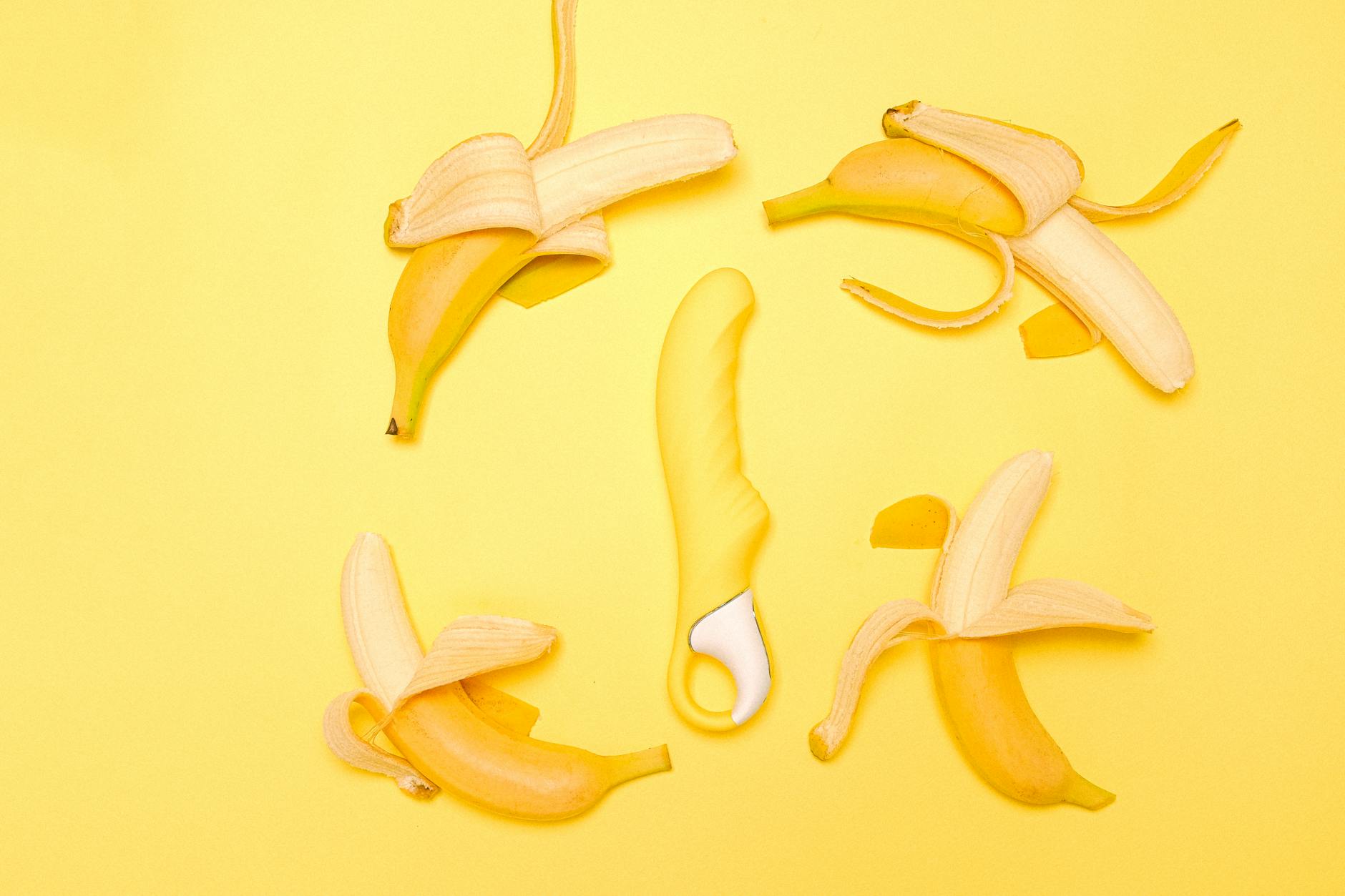
The honest conversation nobody's having
After birth, your body doesn't just need rest. It needs permission to feel good again. And that permission is the hardest part. Most postpartum guidance focuses on what not to do. Don't lift. Don't have penetrative sex. Don't stress your pelvic floor. But almost nobody talks about what you can do to reconnect with pleasure safely.
Here's the thing: lemon vibrators and other clitoral vibrators aren't frivolous after birth. They can actually be a useful part of recovery. Not right away. But strategically, at the right time, with the right approach, they help rewire sensation and rebuild confidence in a body that might feel like a stranger.
When your body is actually ready
Let's start with the timeline. This matters because jumping in too early can stall healing or create anxiety that lasts way longer than it should.
Most postpartum bleeding (lochia) takes 4 to 6 weeks to stop completely. Until that happens, anything internal or potentially vigorous is off limits. That includes penetration and anything that puts pressure on your pelvic floor.
But external clitoral stimulation? That's a different conversation. The clitoris is external. Clitoral vibrators like the Lemon work externally. That means by week 3 or 4, if bleeding has lightened significantly and you're feeling physically ready, gentle external play can actually feel soothing and help you reconnect with sensation.
The key word: gentle. If you had a tear or episiotomy (surgical cut to widen the vagina during delivery), even external work near that area needs care. Wait until the area feels less raw and tender to touch.
If you had a cesarean, your concern is different. The incision needs 6 weeks minimum before you're putting any strain on your core or lower abdomen. So external clitoral play is fine from a wound-healing perspective. But mentally, you might not be ready. And that's valid.
What's actually changed in your body
Pregnancy and birth rewire your pelvic floor. The muscles stretch, lengthen, and often lose tone. If you had a vaginal tear, that changes nerve sensation in the area. If you're breastfeeding, prolactin suppresses estrogen, which means your vulva and vaginal tissue are thinner and drier than usual. That affects sensation and arousal speed.
Your clitoris, though? It's still there. The nerve density hasn't changed. Your capacity for pleasure is intact. But the path to arousal might be slower, require more direct or consistent stimulation, and feel qualitatively different than before.
For many people, that's actually where lemon clitoral vibrators become useful. Air-suction clitoral stimulators (like the Hello Nancy Lemon) work differently than traditional vibration. They use gentle suction and pulsing patterns that don't require as much friction or pressure. That makes them ideal for postpartum bodies where sensitivity is high and raw tissue is healing.
The mental piece (which is bigger than the physical one)
Here's what I see with most postpartum people: the body heals faster than the mind does. You might be physically ready to explore pleasure by week 5, but emotionally you're still in survival mode.
You've been touched constantly. A baby has been on you. A partner might have been helping with physical recovery tasks. The idea of one more thing touching your body can feel like too much, not healing.
That feeling is normal. And it's important to name it separately from physical readiness. If you're not in the headspace for pleasure, forcing it won't help. But a gentle lemon vibrator, used slowly on your own terms, without expectation, can actually be a way of saying to your body: "You're allowed to feel good. This is about you."
That's powerful. And it often shifts something emotionally that weeks of rest alone won't.
How to actually start (if you want to)
First, talk to your OB or midwife. If you had complications like a severe tear or infection, get their specific green light. Most will tell you that external clitoral play is fine once bleeding has mostly stopped and you feel physically ready.
Then, actually think about whether you want to. Not whether you should. Whether you want to. If the answer is "not yet," that's complete. Pleasure isn't urgent.
If you do want to, here's the practical setup:
Timing matters. Don't use a clitoral vibrator when you're exhausted or touched-out. Choose a moment when you're alone, your nervous system is calm, and your partner (if you have one) knows you need privacy without it being about them.
Start with the lowest setting. Even if you used stronger settings before pregnancy, your tissue is more sensitive now. The Lemon's first pattern (or the lowest suction level on any air-suction vibrator) might feel surprisingly intense.
Use water-based lubricant. Postpartum vulvas are often drier due to hormonal changes, especially if you're breastfeeding. Lube makes everything more comfortable and responsive.
Keep sessions short. 5 to 10 minutes is enough. You're not trying to reach orgasm necessarily. You're reintroducing sensation and pleasure into your body. Let that be the goal.
Stop if anything hurts. Not uncomfortable or unfamiliar. Actual pain means something isn't healed. Listen to that signal.
What to tell your partner (if you have one)
If you're in a relationship, the conversation around postpartum pleasure is complicated. Your partner might be worried about "breaking" your healing body. You might feel resentful about physical recovery demands. Both of those things can make intimate conversation harder.
Being clear helps: "I want to start reconnecting with my own pleasure in a low-pressure way. That might mean exploring sensation on my own for a bit. That's not about you or us. It's about me finding my body again."
Most partners find that genuinely relieving. It shifts the expectation that they need to "fix" your sexuality right now. And often, when you rebuild your own connection to pleasure independently, partnered sex becomes less fraught.
The connection between solo pleasure and partnered intimacy
Here's something most postpartum guides miss: using a clitoral vibrator solo after birth isn't just about physical recovery. It's about emotional safety. When you're the only person in control, in your own body, on your own timeline, pleasure becomes something you give yourself. Not something that happens to you or that you owe anyone.
That reclamation actually makes partnered sex better, faster. You remember what your body can do. You know what you like. You're not operating from a place of obligation or fear of being touched.
That's why many of my clients say that solo play with a lemon vibrator in the postpartum months was the thing that actually helped them enjoy sex with their partner again. Not because penetration got easier. But because they remembered: pleasure was for them. And everything else built from there.
FAQ: What people actually ask
Is it safe to use clitoral vibrators if I'm breastfeeding?
Completely safe. Clitoral vibrators don't affect milk supply or hormone levels in any way that matters. The only real consideration is comfort and sensation, which might be different due to hormonal changes. Start gentle and see what feels good.
What if I had a tear or episiotomy?
Wait until the area feels genuinely healed to touch, which is usually 4 to 6 weeks. Even then, position yourself so the vibrator isn't directly on the tear site. Most people find that the tenderness fades and sensation returns by 8 to 10 weeks.
Can I use a vibrator after a C-section?
Yes, but timing is different. Your concern is core strength and incision healing, not tissue tears. Wait until 6 weeks for anything that requires core engagement, and avoid any direct pressure on your incision. Gentle external clitoral play is usually fine by week 5 or 6 if you feel emotionally ready.
How long until my sensation comes back to normal?
It varies widely. Hormone levels normalize around 3 to 6 months postpartum, even if you're breastfeeding. That's usually when people notice sensation getting sharper and arousal coming faster. But "normal" might feel different than it did pre-birth. Many people find they prefer their new sensitivity.
What if I don't want to do this yet?
Then don't. Postpartum sexuality isn't a checklist. Your body and mind recover on their own timeline. If you're not interested in pleasure for a year, that's not uncommon and it's not broken. Interest often returns gradually, sometimes unexpectedly.
Can lemon vibrators help with postpartum depression or anxiety?
Pleasure and dopamine do connect, and many people find that reclaiming joy in their body helps with mood. But that's not a treatment for postpartum depression or anxiety. If you're struggling with your mental health, talk to a therapist or doctor. Vibrators are a supplement to real care, not a replacement.
The bigger picture
Postpartum bodies are resilient. They heal faster than you think. But they also deserve patience and the right tools for that healing. A lemon vibrator isn't essential to recovery. But for many people, it's a meaningful way to say: my pleasure matters. My body is mine again. I get to feel good.
Start slow. Listen to your body. Talk to your partner if you have one. And remember: this is recovery, not rush. You have time. Your pleasure will come back. And often, it comes back different, deeper, more intentional than before.
If you want to talk through your specific situation with someone trained in postpartum recovery and intimacy, reach out to us at Hello Nancy through our contact page. We're here to help you navigate this transition with confidence.