Here's the thing nobody tells you about hormonal birth control and pleasure
You've been on the pill, patch, or shot for years. Your body adapted. Then you stopped, and suddenly nothing feels the same. The sensitivity you remember is either amplified or weirdly muted. You're wondering if you've somehow broken your own pleasure response, or if lemon vibrators just aren't going to work for you anymore.
They absolutely will. But first, you need to understand what's actually happening inside your body right now.
What hormonal birth control does to your clitoris
Hormonal birth control suppresses the natural fluctuations of estrogen and testosterone. This isn't a flaw in the system. It's the whole point. But when you're on it for years, your clitoral tissue adapts to lower, flatter hormone levels. The blood flow patterns change. The nerve density sensitivity recalibrates downward as a kind of equilibrium.
When you stop hormonal birth control, your body doesn't instantly snap back to baseline. This is crucial. Most people assume their sensitivity will return immediately, like flipping a switch. It doesn't. It rewires slowly, often over three to six months, sometimes longer.
During this transition, your clitoris is hypersensitive in the literal sense. You might find that direct touch that used to feel amazing now feels almost painful. The nerves are waking up faster than your brain's pleasure pathways have re-established themselves.
The sensitivity rebound effect
This is what I see most often in my practice: people stop birth control, try their old toys or techniques, and everything feels too intense or completely numb depending on the day. They assume they're broken. They're actually in a recalibration phase.
Your clitoral nerve density doesn't change when you quit hormonal birth control. What changes is the blood flow, the hormone levels, and the speed at which your nervous system sends signals. It's like turning up the volume on a speaker that's been muted for years. For a while, even medium volume sounds like a scream.
Lemon vibrators and other clitoral suckers are particularly useful here because they work differently than traditional vibrators. Instead of direct friction, the suction distributes pressure across a wider area and changes the intensity gradually. This gives your nervous system time to adjust without overwhelming it.
What to expect in the first month off hormonal birth control
Week one and two: You might feel nothing, or a completely different kind of sensation than you remember. Numbness is common. Don't panic. Your hormones are in flux, and your brain hasn't caught up yet.
Week three to four: Suddenly everything feels like too much. You might experience sharp sensations, unexpected soreness, or sensitivity that seems to come and go throughout the day. This is your body waking up, and it's entirely normal.
Week five to eight: You'll likely notice a pattern emerging. By now, most people start to find a rhythm where pleasure returns in patches. Some days feel more like your old baseline. Other days feel heightened. This is your new normal, at least for now.
By month three: The majority of people report that sensitivity has stabilized somewhere different from where they started. It's not better or worse. It's recalibrated. And often, this recalibration comes with an unexpected bonus: the ability to experience sensation more intensely once your body fully adjusts.
Why lemon vibrators work better during hormonal transitions
If you've explored how lemon vibrators work better after years of use, you already know they're designed around clitoral suction rather than vibration alone. This matters enormously when your sensitivity is in flux.
Traditional vibrators deliver consistent stimulation at high frequency. When your nervous system is recalibrating, this can feel jarring. Lemon vibrators use patterns and pressure changes that more closely mimic natural human touch. You can start on the gentlest setting and layer intensity slowly. Your body gets to acclimate rather than adapt suddenly.
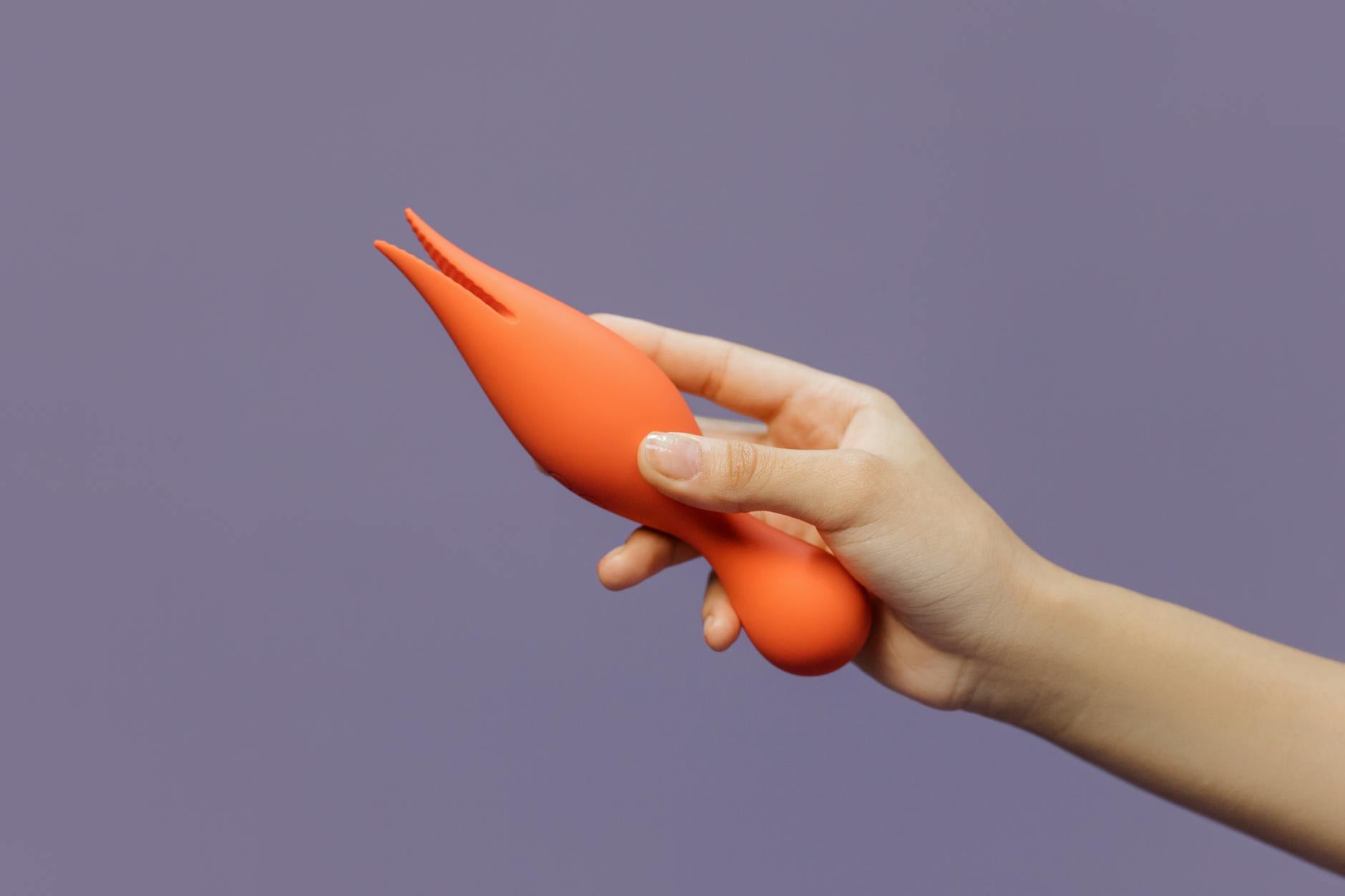
The lemon clitoral vibrator in particular works well here because the opening is shaped to distribute suction evenly, which means you get stimulation without the sharp intensity spike you might feel with direct vibration on hypersensitive tissue.
Practical settings and approach during the adjustment
When you're off hormonal birth control and exploring lemon vibrators for the first time since quitting, start with pattern one. Seriously. I know it sounds boring, but your nervous system is essentially learning to process pleasure signals again at their natural frequency.
Spend a few sessions just on pattern one for five to ten minutes. Notice what happens. Does it feel good? Does it feel overwhelming? Is there a sweet spot in terms of pressure by adjusting how you position the toy against your body?
Once pattern one feels good and doesn't leave you sore, move to pattern two. Then pattern three. The progression might take weeks or a couple of months. That's not slow. That's smart. You're teaching your body to handle increasing intensity as your hormones stabilize.
Use water-based lubricant even if you don't think you need it. Hormonal birth control often increases natural lubrication. When you stop, that changes. Lubrication isn't a sign of arousal deficiency. It's a tool for comfort, especially when tissue sensitivity is uneven.
The mental side matters just as much
Here's what people don't talk about: the emotional weight of hormonal birth control changes. You might feel more anxious, more angry, or more emotionally volatile as your hormones shift back to their natural cycle. You might also feel an unexpected wave of desire. Or grief about years of muted sexuality.
This emotional transition directly affects pleasure. Your brain is literally processing desire differently now that hormone levels are higher and fluctuating. If you're processing shame or anxiety about your body's changes, that's going to show up in how you experience pleasure.
Take time to notice what's happening emotionally, not just physically. If you're exploring lemon vibrators during this transition with a partner, this is an excellent time to talk about lemon vibrators with your partner without shame. You're both adjusting to a different version of your body and your pleasure.
When to check in with a doctor
If you're experiencing pain (not just intensity, but actual pain) during or after using lemon vibrators or any toy, get it checked. Sometimes quitting hormonal birth control reveals underlying conditions like pelvic floor tension or vaginismus that were masked by the hormonal suppression.
If you're off hormonal birth control for six months and sensitivity still hasn't stabilized or has shifted in a way that concerns you, that's worth discussing with a gynecologist. It's not a crisis, but it's worth investigating.
Most sensitivity rebound resolves on its own. But some people need topical treatments or pelvic floor physical therapy to speed it up. There's no shame in that. Your body has been on a specific hormonal regime for years. Resetting takes time, and sometimes expert help.
The rebound effect often comes with unexpected pleasure gains
Here's the part that catches most people off guard: often, the sensitivity rebound that feels overwhelming at first becomes the most pleasurable phase of your life. Once your nervous system settles and your hormones establish a new rhythm, you might find that orgasms feel more intense, come faster, or feel different in ways that are actually better.
Your clitoris has woken up. The nerve pathways have re-established themselves. And you're no longer suppressing the hormonal fluctuations that actually drive desire. Many of my clients report that six to twelve months after stopping hormonal birth control, pleasure feels richer and more varied than it ever did while they were on it.
Lemon vibrators are often the tool that helps people navigate this transition and then enjoy the benefits on the other side. Start low, go slow, and trust that your body knows what it's doing.
People also ask
How long does it take for sensitivity to return after stopping hormonal birth control?
Most people notice major shifts within the first two to three months, with the most significant changes happening in weeks three through eight. Full hormonal rebalancing typically takes three to six months, though some people continue to notice sensitivity changes for up to a year. Your cycle plays a role too. Once your natural cycle returns, you might notice sensitivity fluctuates with your period, which wasn't happening on hormonal birth control.
Can I use lemon vibrators while my sensitivity is adjusting?
Absolutely, but approach it intentionally. Start with the lowest settings and shortest session times. Build up gradually. If direct clitoral stimulation feels too intense, try applying the suction slightly off to the side, or use it on the mons pubis (the area above your clitoris) first. This gives you gentle stimulation without overwhelming newly sensitive tissue. Lemon vibrators are particularly good for this because you can control the intensity more than with traditional vibrators.
Is numbness after stopping hormonal birth control normal?
Completely normal, especially in the first few weeks. Hormonal birth control suppresses natural hormone fluctuations, which affects blood flow and sensation. When you stop, it takes time for blood flow patterns to reestablish and for your nervous system to recognize new baseline hormone levels. This is different from permanent loss of sensation. Give it time.
Will my pleasure come back the same as before I started birth control?
Likely not the same, and that's okay. Your body has changed in the years since you started hormonal birth control. Your preferences might have shifted. Your nervous system has new patterns. Most people find that pleasure comes back stronger and more nuanced, not weaker. You're not recreating the old version. You're discovering the new one.
Should I avoid clitoral vibrators entirely while off birth control?
No, but be strategic. Gentle vibration on lower settings is fine. Harsh or high-frequency stimulation might feel painful when sensitivity is rebalancing. If you're going to use any vibrator during this transition, lemon vibrators or other air-suction toys are better choices than traditional buzzers because the stimulation pattern is gentler and more distributed.
Can hormonal sensitivity changes affect my ability to orgasm with my partner?
Yes, temporarily. Orgasm response depends partly on nervousness and sensation awareness. If you're anxious about your body's changes or frustrated that sensation feels different, that anxiety will affect your ability to focus on pleasure. Communication with your partner about what's happening helps a lot. You might also find that self-exploration with lemon vibrators helps you figure out what your new pleasure pattern is, which you can then teach your partner.
You're not starting from zero
Stopping hormonal birth control doesn't erase years of pleasure learning or break your body's capacity for sensation. It shifts the baseline and resets the calibration. And honestly, most people come out the other side of this transition with more pleasure, more awareness, and a deeper understanding of what their body actually wants.
If you're navigating this now, be patient with yourself. Your sensitivity isn't gone. It's recalibrating. Lemon vibrators, patience, and a little bit of curiosity about what your body is becoming will get you where you want to go. For more support on this journey, reach out to the team at Hello Nancy or explore resources on pleasure and sensitivity to understand your body better.